

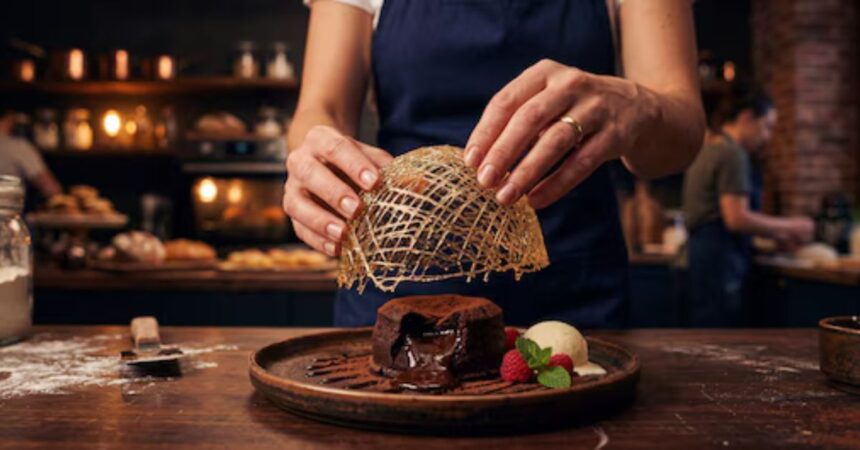
Walk into an Italian pasticceria at seven in the morning and the scene hasn’t changed in decades. Cornetti cools on trays, someone is tempering chocolate in the back, and the counter is already filling up with mignon, tarts and seasonal cakes. Look a little closer, though, and the trade is shifting. Ingredients are more refined, customers ask more questions about what they’re eating, and sustainability has stopped being a slogan and become a line in the budget.
This piece covers the topics that matter most to bakers, pastry chefs and chocolatiers right now: new ingredients, modern recipes, chocolate trends and responsible sourcing. It’s written with professionals in mind, but keen home bakers should find plenty to take away too.
Tradition and Innovation Work Together
Italian baking rests on one simple idea: respect the product. A panettone made with lievito madre, a sfogliatella, a classic crostata, all of them start with good raw materials and careful technique. Innovation doesn’t replace that. Done well, it protects it.
Think about what a professional kitchen deals with every day. Flour changes from one harvest to the next, humidity throws off fermentation times, and a busy weekend can stretch even a well-organized team. Modern ingredient technology exists to absorb some of that variability without hurting flavor or texture. Companies that work closely with artisans, such as Puratos, Puratos Italia, have built their offer around this idea, pairing bakery, pastry and chocolate solutions with technical support and training, so that professionals can spend their energy on creativity and consistency rather than on putting out fires.
The benefit is easy to picture. When a laboratory can rely on stable creams, dependable fillings and predictable fermentation aids, it has more time for new products, better presentation and real conversations with customers. That’s where innovation earns its keep: not in gadgets, but in time, reliability and room to create.
Why Many Professionals Are Rethinking Their Ingredients
A few pressures are pushing bakers to look again at what goes into their products:
- Informed customers. People read labels and ask about origin, allergens and processing.
- Volatile costs. Energy, butter, cocoa and flour prices have all swung, which makes efficiency and waste reduction more important.
- Staff shortages. Many laboratories struggle to hire experienced people, so forgiving, repeatable processes are worth a lot.
- Competition from other channels. Supermarkets, delivery apps and online shops have raised expectations around freshness and variety.
Together, these favor businesses that choose ingredients and methods on purpose rather than out of habit.
Baking Ingredients Worth Knowing About
“Innovation” can sound vague, so here are the categories that make a practical difference.
Sourdough and Fermentation Solutions
Sourdough has gone from niche to mainstream. Customers link it with flavor, digestibility and craft, and plenty of bakeries now offer at least one naturally leavened loaf. Keeping a starter healthy takes discipline, though, since temperature, feeding schedules and hygiene all affect the result. That’s why some professionals use ready-to-use sourdough products, either on their own or alongside their own starter, to keep flavor and timing consistent from batch to batch.
Keeping Products Fresh Longer
Softness a day or two after baking is a constant struggle, especially with brioche, panettone and filled products. Improvers and enzyme-based solutions can help preserve texture and freshness, which means fewer returns and less unsold stock. Used carefully, and labeled clearly, they support quality rather than undermine it.
Fillings, Creams and Glazes
Fillings that hold their color and taste after baking, cold-process creams that save labor, and mirror glazes that give a polished finish all make production smoother. What matters is choosing products whose flavor you’d happily put your name to, and testing them against your own recipes before they go on the counter.
Plant-Based and Allergen-Aware Options
Vegan and lactose-free pastries are no longer a curiosity. Many customers eat plant-based now and then rather than all the time, so a well-made vegan tart or egg-free cream can win over people who would otherwise walk past the display. The hard part is texture. Replacing butter, eggs and milk without ending up with something flat takes careful formulation and a lot of trial and error.
Pastry Recipes That Match Current Tastes
Recipes move with the public’s palate. Italian customers still love the classics, but they’re more open to desserts that are lighter, less sweet and more layered. Some directions that are working in pastry shops:
Classics, Reworked
Tiramisù becomes an elegant single-serve cup with a coffee-soaked sponge and a lighter mascarpone cream. A traditional crostata picks up a cocoa-hazelnut shortcrust, or a seasonal fruit filling with a hint of spice. The familiar name reassures people, and the small twist gives them a reason to try it.
Seasonal and Regional Stories
Autumn and winter bring chestnuts, pears, pumpkin, citrus and, of course, panettone and pandoro. Building recipes around what’s in season keeps a menu fresh and ties it to a place and a moment. A pear and chocolate tart in November or a blood orange entremets in February feels alive in a way that year-round products rarely do.
Less Sugar, More Balance
One of the clearest shifts in recent years is a taste for desserts that are rich in flavor without being cloying. Pastry chefs get there through contrast: acidity from fruit, bitterness from dark chocolate, salt in caramel, crunch against softness. The result feels more sophisticated and lets the main ingredient come through.
Smaller Formats
Mignon, bite-sized desserts and individual cakes let customers try several flavors instead of committing to one big portion. They also suit events, tasting boxes and gifts, and they help with waste, since less is left over at closing time.
Chocolate Trends: Quality, Origin and Creativity
Chocolate sits at the center of Italian pastry, from the gianduiotto tradition in Piedmont to the chocolate desserts found in every region. A few trends stand out.
Origin and Transparency
Customers and chefs increasingly want to know where cocoa comes from and how it was grown. Single-origin chocolates are prized for their distinct notes of fruit, nuts or spice. Even with blends, clear information about sourcing builds trust.
Darker and Less Sweet
Higher cocoa percentages and a more pronounced bitterness have gained ground, in line with the broader move toward balance. Dark chocolate pairs well with fruit, coffee and spices, and even with savory touches like olive oil or sea salt.
Texture and Technique
Pastry chefs are using chocolate in more varied ways: fine tempered decorations, crunchy pearls, aerated mousses, ganaches infused with tea or herbs, and filled bonbons with layered textures. Tempering and storage still matter enormously. Even excellent chocolate disappoints if it blooms or loses its snap.
Ruby, Blond and New Colors
Blond chocolate, with its caramelized, biscuity notes, and the pink-hued ruby variety open up new flavor and visual options. They work best when there’s a reason for them, in pairings where their particular taste makes sense, rather than as novelty for its own sake.
Sustainability in Baking and Pastry
Sustainability is often discussed in abstract terms, but in a bakery it comes down to ordinary daily decisions. The food industry as a whole faces pressure to reduce its environmental footprint, and artisans have real room to contribute.
Responsible Sourcing
Cocoa is one of the best-known examples of a supply chain with social and environmental problems, including farmer incomes, deforestation and traceability. Programs that support cocoa farmers and promote better agricultural practices aim to tackle these issues at the source. When choosing suppliers, it’s fair to ask which certifications or programs they follow and how they report on them. The same questions apply to flour, sugar, fats, nuts and dairy.
Cutting Food Waste
Waste is both an environmental and a financial problem. Some practical steps:
- Plan production around realistic daily sales data
- Turn day-old bread into rusks, breadcrumbs or bread puddings
- Reuse sponge and tart shell trimmings in new desserts
- Sell leftover items at a reduced price toward closing time
- Choose formulations that extend shelf life without sacrificing quality
Energy and Packaging
Ovens, refrigeration and proofing cabinets use a lot of energy. Regular maintenance, smarter scheduling of bakes and better insulation can all bring consumption down. On packaging, many shops are moving to recyclable or compostable materials and inviting customers to bring their own containers where that’s appropriate. Small changes add up over a year of daily trading.
Talking About It Honestly
Customers appreciate transparency, but they can also spot exaggeration. If you’ve switched to responsibly sourced chocolate or reduced your waste, say so plainly and be specific. Avoid vague green claims you can’t back up. Modest, honest communication builds more credibility than a grand slogan.
Putting It Into Practice
You don’t need to overhaul your business overnight. A few steps are enough to start:
- Test before committing. Trial new ingredients in small batches, compare them with your current ones, and get feedback from your team and a few trusted customers.
- Invest in training. Technique is what turns good ingredients into great products. Workshops, supplier training sessions and exchanges with other professionals keep skills sharp.
- Plan around the seasons. Build your menu around the year’s produce and festivities, and have new recipes ready a few weeks ahead.
- Track your waste. For two weeks, note what goes unsold and why. The patterns usually point to easy fixes.
- Choose partners carefully. Look for suppliers who offer technical support, consistent quality and clear sourcing information, not just a price list.
- Protect your identity. Innovation should strengthen what makes your pasticceria or bakery distinctive, not water it down.
Looking Ahead
The future of Italian baking and pastry isn’t a choice between tradition and modernity. The professionals who do best will likely be the ones who respect classic recipes while staying open to tools that improve consistency, cut waste and make room for creativity. Chocolate will keep inspiring experiments, plant-based and allergen-aware products will matter more, and sustainability will increasingly shape what both sides of the counter choose to buy.
For bakers and pastry chefs, the opportunity is clear. Stay curious about ingredients, pay attention to how tastes are changing, and make responsible choices along the supply chain, and it’s possible to honor the craft’s heritage while building a business ready for what comes next. The oven is still warm, the chocolate is still tempered by hand, and the next great recipe hasn’t been written yet.
