

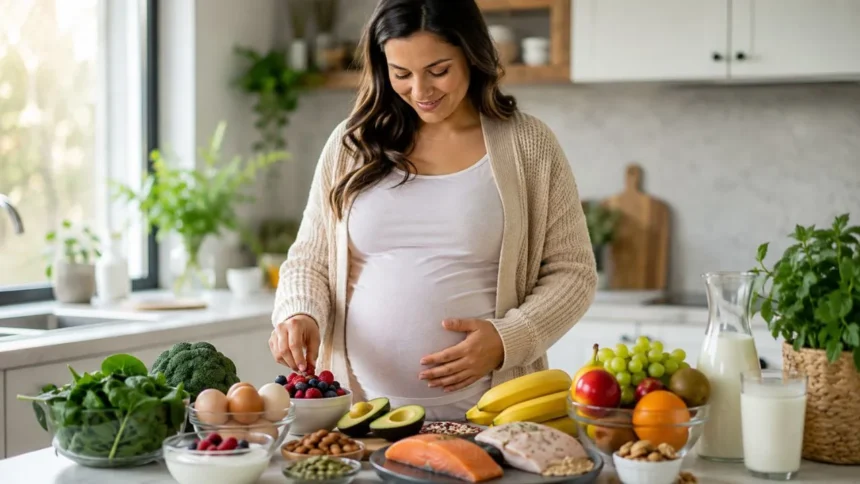
Best Food for Baby Growth During Pregnancy: A Practical Nutrition Guide
Choosing the best food for baby growth during pregnancy can feel overwhelming, especially when advice from relatives, social media and online articles does not always agree. The reassuring truth is that you do not need an expensive diet or unusual “superfoods” to support your baby. A varied combination of protein, vegetables, fruit, whole grains, healthy fats and safe dairy products provides the foundation for healthy fetal development. Regular prenatal care remains equally important because nutrition is only one part of monitoring a baby’s growth.
There is also no single food that can guarantee a bigger, healthier or more intelligent baby. Your developing baby needs many nutrients working together, including folate, iron, calcium, iodine, choline, protein, vitamin D and omega-3 fatty acids. Different foods provide different benefits, which is why dietary variety matters more than relying heavily on one ingredient. Current nutrition guidance emphasizes adequacy, balance, moderation and diversity rather than restrictive eating or consuming twice the normal amount.
Healthy pregnancy foods can be simple and affordable. Eggs, lentils, chickpeas, yogurt, milk, chicken, leafy vegetables, seasonal fruit, whole-wheat roti, brown rice, oats, nuts and low-mercury fish can all fit into a nourishing pregnancy diet. Fresh foods are useful, but frozen vegetables, canned beans and fortified cereals can also help meet nutritional needs. The most suitable choices will depend on your culture, budget, appetite, health conditions and access to food.
This article explains what to eat during pregnancy for baby growth without promoting unrealistic promises. It also covers important nutrients, vegetarian choices, trimester-based eating, practical meal ideas and foods that require caution. Anyone with diabetes, anemia, high blood pressure, severe vomiting, multiple pregnancy or concerns about fetal growth should follow an individualized plan from an obstetric professional or registered dietitian. Do not begin high-dose vitamins, herbal products or weight-gain supplements without medical advice.
How Food Supports Your Baby’s Growth During Pregnancy
During pregnancy, nutrients from your diet help your body build the placenta, increase blood volume and support the formation of fetal tissues. The baby’s organs, bones, nervous system and muscles develop rapidly throughout pregnancy, although the rate and type of development change between trimesters. Your body can prioritize the baby’s needs in some situations, but ongoing nutritional deficiencies may affect both maternal health and pregnancy wellbeing. This is why regular, balanced meals are more useful than occasionally eating large amounts of nutritious food.
Protein supplies amino acids that the body uses as building materials for new cells and tissues. Iron supports the extra blood needed to carry oxygen, while folate contributes to cell division and early development of the brain and spinal cord. Calcium and vitamin D contribute to bone development, and iodine supports thyroid function and fetal neurodevelopment. Choline and omega-3 fats also have important roles in the developing brain and nervous system.
Food quality matters, but eating more is not automatically better. Pregnancy does not mean doubling every meal, and excessive portions of sugary, fried or highly processed foods do not provide the balanced nutrients required for fetal growth. Energy needs vary according to pre-pregnancy weight, activity, trimester and whether someone is carrying twins or other multiples. Most people need little or no additional energy early in pregnancy and only a modest increase later, based on professional guidance.
A baby’s size is also influenced by genetics, placental function, maternal health, smoking exposure, infections and pregnancy complications. Eating nutritious food cannot correct every cause of poor fetal growth or replace ultrasound monitoring. If a healthcare professional suspects fetal growth restriction, the pregnancy requires medical assessment rather than simply increasing calories or protein at home. A balanced diet supports healthy development, but it should be viewed as part of complete antenatal care.
Key Nutrients Needed for Healthy Fetal Development
Folate is especially important before conception and during early pregnancy because it supports cell division and helps prevent neural tube defects. Pregnant adults generally need 600 micrograms of dietary folate equivalents per day, while public-health guidance recommends a daily vitamin containing 400 micrograms of folic acid for people capable of becoming pregnant. Useful food sources include spinach, broccoli, beans, lentils, chickpeas, oranges and enriched bread or cereal. Food alone may not reliably provide the recommended protective amount of folic acid.
Iron requirements rise during pregnancy because the body produces additional blood to supply oxygen to the mother and developing baby. The recommended intake for most pregnant adolescents and adults is 27 milligrams per day. Lean meat, chicken, beans, lentils, fortified cereals and leafy vegetables provide iron, while vitamin C-rich foods can improve the absorption of iron from plant sources. Iron supplements should be taken according to prenatal guidance because unnecessary high doses may cause side effects.
Calcium, vitamin D and protein work together to support the baby’s bones, teeth, muscles and other tissues. Pregnant adults generally need about 1,000 milligrams of calcium and 15 micrograms of vitamin D per day, although individual recommendations may differ. Milk, yogurt, pasteurized cheese, calcium-fortified soy drinks, tofu, fish with edible bones and certain green vegetables can contribute calcium. Eggs, poultry, fish, meat, beans, lentils, dairy foods and nuts provide useful protein throughout the day.
Choline and iodine are sometimes overlooked in prenatal diets, even though both support fetal development. The recommended amounts during pregnancy are 450 milligrams of choline and 220 micrograms of iodine per day for most people. Eggs, dairy products, soybeans, meat, fish and certain beans provide choline, while seafood, dairy, eggs and iodized salt may provide iodine. Some prenatal vitamins contain little or no choline, so supplement labels and individual needs should be discussed with a healthcare professional.
Best Food for Baby Growth During Pregnancy
Eggs are among the most practical foods for pregnancy because they provide protein, choline, vitamin B12 and several other nutrients in one affordable serving. Choline is especially relevant to the developing brain and nervous system, yet many people do not consume enough through food. Eggs can be served with whole-grain toast, added to vegetable omelets or eaten alongside roti and cooked vegetables. Use pasteurized eggs where available and cook eggs thoroughly unless local food-safety guidance specifically confirms another option.
Low-mercury fish such as salmon, sardines, trout, shrimp, tilapia and pollock can provide protein, iodine, iron, choline and omega-3 fats. DHA and EPA are omega-3 fats associated with the development of the baby’s brain and nervous system. FDA guidance recommends that pregnant people eat two to three servings, or 8 to 12 ounces, of varied lower-mercury seafood each week. Fish should be fully cooked, while high-mercury species and raw seafood should be avoided.
Lean meat, chicken, lentils, beans and chickpeas are valuable protein-rich foods in pregnancy. Lean red meat can provide highly absorbable iron and vitamin B12, while poultry offers protein with relatively little saturated fat when skin and excess fat are removed. Lentils, beans and chickpeas provide protein, folate, iron, fibre and slow-digesting carbohydrates. Combining dal or chickpeas with vegetables, whole grains and a vitamin C-rich food can create a balanced and satisfying meal.
Pasteurized dairy products, leafy vegetables, fruit and whole grains complete the picture rather than acting as secondary foods. Milk, yogurt and cheese can contribute calcium, protein, iodine and vitamin B12, while leafy greens supply folate, fibre and several vitamins. Fruit provides vitamin C, potassium, fluids and naturally occurring carbohydrates, and whole grains offer energy, fibre and B vitamins. A varied plate is more effective than repeatedly eating one so-called pregnancy superfood.
Best Vegetarian Foods for Baby Growth
Lentils, kidney beans, black beans, peas and chickpeas are strong vegetarian choices for prenatal nutrition. They offer plant protein together with folate, iron, fibre and complex carbohydrates, making them useful for both growth and digestive health. They can be prepared as dal, bean curry, soup, salad, hummus or a filling for wraps and whole-wheat roti. Gradually increasing portions and drinking sufficient fluids may reduce gas or digestive discomfort.
Soy foods such as tofu, tempeh and unsweetened fortified soy milk can add protein to a vegetarian or vegan pregnancy diet. Calcium-set tofu and calcium-fortified drinks may also support calcium intake when dairy products are not consumed. Check labels because the nutritional content of plant-based drinks varies considerably between brands. Choose products fortified with calcium, vitamin D and vitamin B12, and avoid assuming that every milk alternative is nutritionally equal to dairy.
Nuts and seeds provide healthy fats, protein and important minerals in a compact serving. Walnuts offer plant-based omega-3 fat, while chia seeds, ground flaxseeds, almonds, pumpkin seeds and sesame seeds can add nutritional value to yogurt, porridge, smoothies or salads. Nut butter on whole-grain bread can be useful when appetite is low and a full meal feels difficult. Whole nuts and seeds should still be eaten in moderate portions because they are energy-dense.
Vegetarian and vegan pregnancies may require closer attention to iron, vitamin B12, iodine, choline, zinc, calcium, vitamin D and omega-3 intake. It is possible to have a healthy plant-based pregnancy, but simply removing meat does not automatically create a balanced diet. Include several protein sources throughout the day and discuss prenatal supplements with a qualified professional. People following vegan diets may require an individualized strategy for vitamin B12 and other nutrients.
How to Build a Balanced Pregnancy Plate
Begin by giving vegetables and fruit a visible place in most meals. Try to include different colours across the week, such as spinach, carrots, tomatoes, peas, peppers, pumpkin, oranges, berries and bananas. Fresh produce is not the only acceptable option; frozen and canned varieties can also be nutritious when they contain little added salt or sugar. Wash fresh produce carefully before cutting, cooking or eating it.
Add a dependable protein source instead of building meals mainly around refined carbohydrates. Suitable choices include eggs, chicken, fish, lean meat, yogurt, paneer made from pasteurized milk, tofu, lentils, chickpeas and beans. Spreading protein between breakfast, lunch, dinner and snacks may feel easier than eating one very large protein-heavy meal. This approach may be particularly helpful when heartburn, nausea or early fullness limits portion size.
Choose carbohydrates that provide lasting energy and additional nutrients. Oats, brown rice, potatoes, sweet potatoes, corn, millet, whole-grain bread and whole-wheat roti generally provide more fibre than heavily refined alternatives. Fibre supports bowel regularity, which can be helpful because constipation is common during pregnancy. Carbohydrates should not be removed without medical advice, as they remain an important source of energy in a balanced diet.
Complete the meal with a source of calcium and a modest amount of healthy fat. Yogurt, milk or a fortified alternative can supply calcium, while avocado, nuts, seeds and unsaturated oils provide beneficial fats and additional energy. Water should be the main drink, although individual fluid needs vary with climate, activity and medical conditions. Limit sugary beverages because they can add considerable energy without providing the range of nutrients found in whole foods.
A Simple One-Day Pregnancy Meal Plan
For breakfast, try porridge made with milk or a fortified soy drink, topped with banana and ground nuts or seeds. Add a fully cooked egg when you need more protein and choline. Another option is a vegetable omelet with whole-grain toast or whole-wheat roti and a piece of fruit. Choose a breakfast that feels manageable rather than forcing a large meal during morning nausea.
For lunch, combine lentil dal, chickpea curry, grilled chicken or cooked fish with brown rice or whole-wheat roti. Add a serving of cooked vegetables and plain yogurt made from pasteurized milk. Squeezing lemon over lentils or eating citrus fruit with the meal can support the absorption of plant-based iron. Keep portions comfortable and save additional food for a later snack when pregnancy reduces your appetite.
For snacks, consider yogurt with fruit, a small handful of nuts, hummus with vegetables, whole-grain crackers with pasteurized cheese or an apple with peanut butter. Snacks can help fill nutritional gaps when you cannot tolerate three large meals. They are also useful for adding protein and energy without relying on sweets or fried foods. Anyone with gestational diabetes should follow the meal timing and carbohydrate guidance provided by their clinical team.
For dinner, choose cooked salmon, chicken, tofu or beans with sweet potato, whole grains and vegetables. A lentil and vegetable soup with whole-grain bread can be easier to tolerate when heartburn or fatigue makes a heavy meal unappealing. Finish with milk or fruit when it fits your appetite and nutritional plan. This menu is only an example and can be adapted to local foods, allergies, religious practices and household budgets.
What to Eat During Each Trimester
In the first trimester, the priority is nutritional quality rather than substantially increasing food quantity. Early fetal structures are developing, making folic acid and a suitable prenatal vitamin particularly important. Nausea may make ideal meal plans unrealistic, so small portions of toast, bananas, yogurt, rice, potatoes, eggs or soup can help maintain intake. Seek medical help when vomiting prevents you from keeping down food or fluids.
In the second trimester, appetite often improves and the baby’s tissues, bones and muscles continue developing. Include protein at each main meal and regularly consume iron-rich foods, calcium sources, vegetables and whole grains. Lower-mercury fish can contribute omega-3 fats and other nutrients when included within recommended limits. Continue prenatal supplements exactly as advised rather than doubling a dose after a missed day.
In the third trimester, the baby continues gaining weight while the mother may experience heartburn, constipation or early fullness. Smaller meals eaten more frequently can provide nutrients without placing as much pressure on the stomach. Protein-rich snacks, yogurt, fruit, oats, nuts and soups may be easier to manage than oversized meals. Fibre-rich foods and fluids can support digestion unless a healthcare professional has advised fluid or dietary restrictions.
Calorie requirements are not identical for every pregnancy or trimester. Pre-pregnancy body size, activity, medical conditions and multiple pregnancy can significantly change individual needs. The common instruction to “eat for two” can encourage excessive intake without improving diet quality. Concentrate on nutrient-dense meals and allow your obstetric team to assess whether your weight pattern and the baby’s growth are appropriate.
Foods and Drinks to Avoid or Limit During Pregnancy
Avoid unpasteurized milk and products made with it because they can carry harmful bacteria, including Listeria. Raw or undercooked meat, poultry, seafood and eggs may also expose you to organisms that can cause serious foodborne illness. Cook food thoroughly, refrigerate perishable items promptly and prevent raw ingredients from contaminating cooked food. Local food regulations may differ, so follow the safety guidance provided by your national health authority.
Avoid high-mercury fish such as shark, swordfish and marlin, and check local advice regarding other large predatory fish. Do not avoid all fish, because lower-mercury choices provide valuable nutrients for fetal brain development. Pregnant people are generally advised to consume 8 to 12 ounces of varied lower-mercury seafood per week. Raw fish, raw shellfish and refrigerated smoked seafood may require avoidance or special preparation because of infection risks.
Avoid liver and liver products because they can contain high amounts of preformed vitamin A, which may be harmful during pregnancy. Do not take vitamin A supplements, cod liver oil or high-dose multivitamins unless they have been specifically approved by your healthcare professional. Prenatal products are formulated differently from standard supplements, so check labels carefully. More is not always better when vitamins and minerals are concerned.
Alcohol is safest to avoid completely during pregnancy, while caffeine should generally remain below 200 milligrams per day. Remember that caffeine can come from coffee, tea, cola, energy drinks, chocolate and certain medicines or supplements. Herbal teas and botanical products should not automatically be considered safe because pregnancy evidence may be limited. Discuss regular herbal remedies with a doctor, midwife or pharmacist before using them.
Eating Well When Nausea or Heartburn Reduces Appetite
When nausea is strongest in the morning, keep plain crackers or dry toast beside the bed and eat slowly before standing. Small, frequent meals may be easier to tolerate than large portions, while cold meals sometimes have less smell than hot food. Choose simple foods you can keep down, then add protein and vegetables as symptoms improve. The perfect pregnancy diet is not realistic during severe nausea, so maintaining fluids and tolerable nutrition becomes the immediate priority.
Try pairing a carbohydrate with protein to make a small meal more nourishing. Examples include toast with peanut butter, banana with yogurt, crackers with pasteurized cheese or rice with lentils. Sip fluids between meals when drinking with food causes uncomfortable fullness. Avoid relying only on juice, sweets or sugary drinks, as they may provide energy without enough protein, fibre or micronutrients.
For heartburn, smaller meals, slower eating and remaining upright after food may reduce discomfort. Very spicy, greasy or acidic foods can worsen symptoms in some people, although triggers differ from person to person. An earlier dinner may be easier to tolerate than a heavy meal shortly before bed. Speak with a healthcare professional before taking antacids or other medicines because not every product is suitable during pregnancy.
Contact your maternity team when vomiting is persistent, urine becomes very dark, dizziness develops or you cannot keep fluids down. Severe pregnancy sickness can cause dehydration, electrolyte imbalance and inadequate nutritional intake, and it may require medication or hospital treatment. Do not blame yourself when ordinary dietary strategies fail to control significant symptoms. Medical care is more appropriate than forcing food or trying unverified herbal remedies.
When You Need Individual Pregnancy Nutrition Advice
People with anemia may need blood tests, additional iron and a plan that addresses the cause of low iron levels. Food is valuable, but diet alone may not correct moderate or severe deficiency quickly enough during pregnancy. Taking more iron than recommended can cause constipation, nausea and other problems, so supplements should follow professional advice. Iron-rich meals should support, rather than replace, prescribed treatment.
Gestational diabetes requires balanced meals that control blood glucose while still providing sufficient energy and nutrients. Removing all carbohydrates is not a safe general solution because carbohydrate foods include fruit, milk, beans and whole grains with valuable nutritional benefits. A dietitian can help distribute carbohydrate portions throughout the day and pair them with protein, fibre and healthy fats. Blood glucose targets and medication needs must be managed by the clinical team.
Vegetarian diets, food allergies, eating disorders, previous bariatric surgery and twin pregnancies can all change nutritional planning. These circumstances may increase the need for monitoring or targeted supplementation. Prenatal vitamins also differ in their content of iron, iodine, choline, vitamin D and other nutrients. Bring your supplement container or a photograph of its label to prenatal appointments so the ingredients can be reviewed.
Most importantly, contact your healthcare provider when you are worried that the baby is not growing properly. A change in appetite, maternal weight or abdominal size cannot reliably diagnose a fetal growth problem at home. Ultrasound measurements, blood-pressure checks, laboratory tests and placental assessment may be needed. Increasing food intake without evaluation will not resolve growth restriction caused by placental or medical complications.
Final Thoughts on the Best Food for Baby Growth During Pregnancy
The best food for baby growth during pregnancy is not one fruit, vegetable, drink or protein source. Healthy development is supported by a varied diet containing protein, folate, iron, calcium, iodine, choline, vitamin D, omega-3 fats and sufficient energy. Eggs, cooked low-mercury fish, lean meat, legumes, dairy foods, vegetables, fruit, whole grains, nuts and seeds can all contribute. The aim is consistency and variety rather than perfection.
Build meals from foods you can afford, access and comfortably digest. A simple plate of dal, whole-wheat roti, cooked vegetables and yogurt can be just as useful as an expensive meal marketed specifically for pregnancy. Frozen produce, canned beans and fortified cereals can make healthy eating more practical. Cultural foods do not need to be abandoned when they are prepared safely and combined thoughtfully.
Take a prenatal vitamin recommended by your healthcare professional, but do not treat supplements as a replacement for meals. Food provides protein, fibre, healthy fats and many beneficial compounds that tablets cannot fully reproduce. At the same time, folic acid and certain other nutrients may be difficult to obtain in the right amount from food alone. Check supplement labels and avoid combining multiple products without approval.
Finally, remember that fetal growth is influenced by more than diet. Attend prenatal appointments, avoid alcohol and smoking exposure, follow food-safety precautions and report concerning symptoms promptly. A nourishing diet creates a strong foundation, while professional monitoring confirms whether the pregnancy is progressing as expected. This balanced approach protects both maternal wellbeing and healthy fetal development.
Frequently Asked Questions
Which food increases baby weight during pregnancy?
No single food safely guarantees increased fetal weight. Include regular protein sources, whole grains, healthy fats, dairy or fortified alternatives, vegetables and fruit, while allowing your healthcare provider to monitor the baby’s growth.
Are eggs good for baby growth during pregnancy?
Yes. Fully cooked eggs provide high-quality protein, choline, vitamin B12 and other nutrients that support tissue and nervous-system development. Choose safely handled or pasteurized eggs and avoid raw preparations unless local guidance confirms they are safe.
Which fruit is best during pregnancy?
No fruit is best for every need. Oranges, berries, bananas, apples, mangoes, guava and avocado provide different combinations of vitamin C, fibre, potassium, folate, healthy fat and energy, so variety is preferable.
What should I eat if my baby is measuring small?
Continue balanced meals, but contact your obstetric provider rather than trying to correct the issue by overeating. A baby measuring small may require ultrasound monitoring and assessment of placental function, blood pressure and other medical factors.
Is milk necessary for baby growth during pregnancy?
Milk is a convenient source of calcium, protein, iodine and vitamin B12, but it is not essential when suitable alternatives are used. Yogurt, pasteurized cheese, calcium-set tofu and fortified soy drinks can help meet similar needs.