

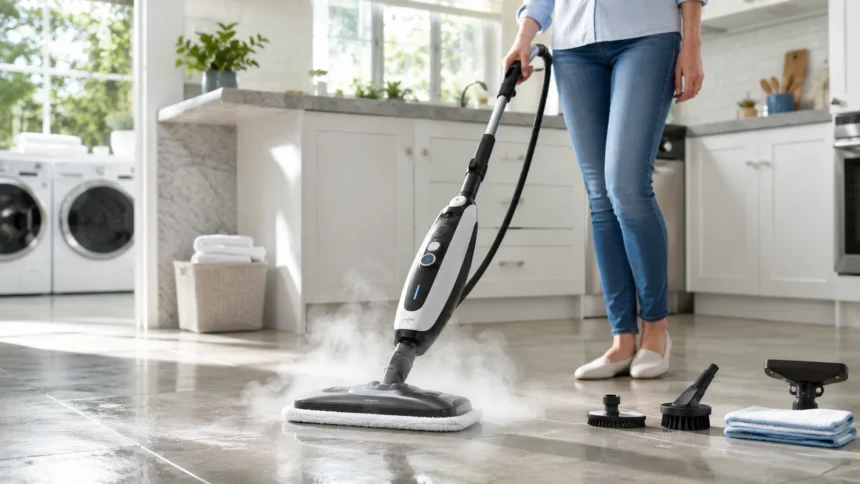
Steam Cleaner Guide: Uses, Benefits & What to Clean
A steam cleaner uses heated water vapor to loosen dirt, grease, soap residue, and grime from many household surfaces. Instead of depending mainly on strong detergents, steam cleaning combines high temperature, moisture, and pressure to help lift contamination so it can be wiped or collected more easily. Steam cleaners are commonly used on sealed floors, bathroom surfaces, kitchen areas, tiles, grout, upholstery, and other heat-resistant materials. Different machines are designed for different jobs, so a handheld steamer works differently from a steam mop or larger canister cleaner. Understanding those differences is essential before deciding what to clean.
Steam cleaning has become popular among people who want to reduce the amount of cleaning chemicals used around the home. It can be especially useful in areas where greasy residue or dried-on grime would otherwise require repeated scrubbing. However, steam is not appropriate for every material because heat and moisture can damage unsealed wood, delicate fabrics, certain plastics, electronics, and some painted or laminated surfaces. A powerful steam cleaner can cause damage just as quickly as it can remove dirt when used incorrectly. Successful steam cleaning therefore depends on matching the machine, attachment, temperature, and technique to the surface being treated.
This complete steam cleaner guide explains how steam cleaners work, what they can clean, their main benefits, common types, and important safety precautions. It also covers steam cleaning floors, bathrooms, kitchens, furniture, windows, grout, appliances, and other household areas. You will learn which surfaces usually respond well to steam and which ones should generally be avoided unless the manufacturer specifically approves them. Practical tips for using attachments, controlling moisture, maintaining the machine, and preventing surface damage are included throughout. Whether you are considering buying a steam cleaner or already own one, the following guidance can help you use it more effectively and safely.
What Is a Steam Cleaner?
A steam cleaner is a cleaning appliance that heats water and releases hot vapor through a nozzle, mop head, brush, or other attachment. The steam transfers heat and moisture to the surface, helping soften grease, dried residue, soap film, and embedded grime. Some machines produce relatively wet steam, while others create hotter vapor with lower moisture content. The user then wipes away the loosened dirt or allows an attached pad to collect it. Steam cleaners are available in several sizes, ranging from small handheld units to large canister-style machines. Their main advantage is that heat performs much of the cleaning work that would otherwise require stronger chemicals or more manual scrubbing.
Steam cleaners should not be confused with carpet extraction machines. A carpet extractor usually sprays water mixed with cleaning solution into carpet fibers and then vacuums the dirty liquid back into a separate tank. Traditional steam cleaners generally do not extract large quantities of water in the same way. They use hot vapor to loosen contaminants, after which the dirt is removed with a cloth, pad, brush, or vacuum function if the particular model includes one. Some manufacturers use the term steam cleaning broadly, so product descriptions can create confusion. Checking whether a machine actually produces steam, sprays hot water, or extracts liquid helps determine which tasks it can perform.
Water temperature is one of the main reasons steam can be effective against stubborn grime. Heat can soften fats, loosen adhesives, break up soap residue, and make many deposits easier to remove from hard surfaces. The pressure of the vapor can also reach into narrow joints, textured areas, and corners that are difficult to scrub manually. However, steam does not magically dissolve every type of contamination. Thick mineral scale, old stains, rust, and deeply absorbed discoloration may still require specialized products or additional cleaning methods. Steam works best when it is used as one part of a sensible cleaning process rather than treated as a universal solution for every stain.
Most household steam cleaners use only clean water in their internal tank unless the manufacturer specifically allows another product. Adding vinegar, fragrance oils, detergents, disinfectants, or other chemicals to a machine not designed for them can damage internal components or create unsafe vapor. The heat itself is the primary cleaning mechanism. Some steam-cleaning systems have separate compartments for approved detergents, but those features vary by model. Always follow the appliance instructions before adding anything besides water. Using the wrong liquid can block nozzles, damage seals, void warranties, or release irritating substances into the air when heated.
Steam cleaners can be useful in homes, offices, hospitality environments, vehicles, and some commercial settings. Households often use them for bathroom grout, kitchen grease, sealed hard floors, fabric refreshment, and detail cleaning. Hotels may use specialized steam equipment on surfaces that tolerate heat, while automotive detailers sometimes use steam on suitable interior materials. Commercial machines can provide longer operating times, larger tanks, and higher output than consumer models. The underlying principle remains the same regardless of size: heated vapor loosens contamination so it can be removed with less chemical dependence and, in many situations, less physical effort.
How Does a Steam Cleaner Work?
A steam cleaner begins by heating water inside a tank or boiler. Depending on the design, the machine may take a few seconds or several minutes to reach operating temperature. Once the water becomes sufficiently hot, the appliance releases vapor through a hose, nozzle, or cleaning head. Some models maintain internal pressure so the steam exits with greater force, while lighter steam mops may produce a more continuous flow through a floor pad. The exact operating temperature and pressure vary between manufacturers. Higher numbers do not automatically mean better cleaning because the safest setting depends on the surface, attachment, and type of dirt being removed.
When steam contacts a dirty surface, heat begins softening the material that holds grime in place. Kitchen grease may become less sticky, dried food can loosen, and soap residue can become easier to wipe from tile or fixtures. Steam can also penetrate small textured areas that a large cloth cannot reach easily. A brush attachment may then agitate the softened residue while the user applies relatively light pressure. The loosened contamination still needs somewhere to go, which is why microfiber cloths and mop pads are important. Steam loosens dirt, but the cloth or pad physically removes much of it from the surface.
Different attachments change how effectively the steam reaches a particular area. A narrow jet nozzle concentrates vapor into seams, corners, tap bases, and similar detailed areas. Small brushes provide light agitation on grout or textured surfaces, while larger heads spread steam over floors and walls. Upholstery attachments usually cover the nozzle with a cloth to control moisture and distribute heat more evenly. Window tools may combine steam with a squeegee for suitable glass. Choosing the correct accessory is important because concentrating intense steam on a delicate surface can cause damage. The attachment should match both the job and the material being cleaned.
Moisture level is another important part of steam cleaning. Even though steam may appear relatively dry, it eventually condenses back into liquid when it touches a cooler surface. This means steam cleaning always introduces some moisture. On ceramic tile or sealed stone, that moisture is usually manageable, but on unsealed wood, paper-based materials, or electronics it can cause significant problems. Working in short passes allows the surface to cool and dry more quickly. Using a microfiber cloth immediately after steaming can also remove both dirt and condensed water before it sits on the material for too long.
Steam cleaning is most effective when loose dust and debris are removed first. Vacuuming or sweeping a floor before steaming prevents dirt from turning into muddy residue beneath the mop pad. Wiping crumbs from a countertop before using steam makes it easier to focus on grease rather than moving solid particles around. Heavy deposits can also be pretreated when the surface and cleaner allow it. The steam cleaner then performs detailed loosening and finishing work. This sequence is faster than expecting one attachment to handle dust, food debris, grease, and stains at the same time without any preparation.
What Can You Clean With a Steam Cleaner?
Sealed tile and grout are among the most popular surfaces for steam cleaning. Bathroom and kitchen tiles often accumulate soap residue, dirt, grease, and buildup around joints where ordinary mopping does not reach well. A concentrated steam nozzle can soften grime inside grout lines, while a small brush provides additional agitation when needed. Wipe loosened residue away instead of allowing dirty moisture to dry back onto the surface. Steam can be particularly useful on ceramic and porcelain tile when the installation is in good condition. However, damaged grout or loose tiles should be repaired before repeated moisture and heat are introduced.
Many sealed hard floors can be cleaned with a suitable steam mop, but approval depends on the flooring manufacturer. Ceramic tile, porcelain, and some properly sealed stone floors often tolerate steam well. Certain vinyl or engineered products may also be approved, while others can be damaged by heat or moisture entering joints. Traditional hardwood and laminate flooring require much more caution because moisture can penetrate seams and cause swelling, warping, or finish damage. Never assume that a hard-looking floor is automatically steam safe. Check the flooring instructions and test an inconspicuous area before treating a large room.
Bathrooms provide numerous steam-cleaning opportunities because many surfaces are designed to tolerate regular moisture. Steam can loosen soap film from shower doors, tile walls, taps, basins, and some bathtub surrounds. A narrow nozzle can reach around faucet bases, toilet hinges, and other areas where grime accumulates. Steam may also help lift residue around grout and silicone edges, although damaged sealant should not be blasted aggressively. Mirrors and glass can sometimes be cleaned with the appropriate attachment, followed by a dry microfiber cloth or squeegee. Always be careful around electrical outlets, heated mirrors, lighting, and electronic bathroom fixtures.
Kitchen steam cleaning can reduce the effort required to remove greasy residue from suitable hard surfaces. Steam may help clean sealed countertops, splashbacks, stainless-steel areas, cooker exteriors, extractor-hood surfaces, and certain appliance interiors if the appliance manufacturer allows it. Grease generally responds well to heat because it softens and becomes easier to wipe away. Avoid directing steam into electrical controls, ventilation openings, switches, or appliance connections. When cleaning around an oven or microwave, make sure the equipment is turned off and cool enough to handle safely. Steam should complement normal food-safety cleaning rather than replace every cleaner used on kitchen surfaces.
Some upholstery, curtains, mattresses, and vehicle interiors can also be refreshed with a steam cleaner when the fabric manufacturer permits it. Steam can help loosen surface grime and reduce odors without soaking the material as heavily as some extraction methods. Use an upholstery attachment covered with a clean cloth and work in short passes to control moisture. Always test for colorfastness, texture change, or water marking in a hidden area first. Delicate fibers such as silk, velvet, and certain specialty fabrics may be unsuitable. Furniture containing sensitive adhesives, foam, or internal materials can also respond poorly to excessive steam.
Best Steam Cleaner Uses Around the Home
One of the best uses for a steam cleaner is bathroom detail cleaning. Soap scum and body-care residue collect around shower tracks, tap bases, grout joints, and other awkward areas that are difficult to scrub aggressively. A small steam nozzle can direct heat into these narrow spaces and soften the buildup before it is wiped away. This approach is particularly helpful around fixtures where toothbrush-style scrubbing feels slow and repetitive. Start with the least concentrated setting that works and increase only if the material can tolerate it. Finish by drying metal fixtures and glass to reduce water spots and leave the bathroom looking cleaner.
Steam cleaners can also simplify grout cleaning, especially on tile floors and shower walls. Grout texture catches dirt easily, and repeated mopping may clean the tile surface while leaving the joints darker. Apply steam to a small section at a time, then use a suitable grout brush attachment if necessary. Wipe the loosened residue with a microfiber cloth before moving to the next section. Avoid pressing so hard that old or deteriorating grout begins breaking apart. If grout remains discolored after thorough cleaning, staining may be permanent or may require restoration rather than additional steam treatment.
In the kitchen, steam works well for greasy edges and crevices around suitable appliances and sealed surfaces. Cooker splashbacks, extractor-hood edges, cabinet handles, and the seams around certain countertops often collect sticky residue. A concentrated steam burst can soften this film so a cloth removes it with much less rubbing. Keep vapor away from electrical controls and unfinished cabinet edges where moisture could penetrate. If grease is extremely heavy, a compatible degreaser may still be necessary. Steam is particularly useful for maintenance cleaning before the buildup becomes thick enough to require aggressive chemical treatment.
Steam can also help clean windows, mirrors, and glass doors when the manufacturer provides an appropriate tool. Light steam loosens fingerprints, greasy marks, and dried splashes, while a squeegee or microfiber cloth removes the condensation. Work from top to bottom so dirty moisture does not run over already-cleaned areas. Avoid using very hot steam on extremely cold glass because rapid temperature changes can increase the risk of cracking. Frames and seals should also be checked for steam compatibility. When used carefully, steam can leave suitable glass clean without requiring large amounts of spray cleaner.
Another useful application is refreshing high-touch washable surfaces such as certain door handles, sealed counters, bathroom fixtures, and durable plastic surfaces. Steam can loosen fingerprints and residue that accumulate through daily use. However, cleaning and disinfection are not always the same thing, and the effectiveness of steam against microorganisms depends on temperature, contact time, machine performance, and surface conditions. If a surface requires formal disinfection, follow relevant product or facility guidance rather than assuming a quick steam pass guarantees it. Steam is best treated as a powerful cleaning tool first, with any sanitizing claim verified against the specific machine instructions.
Surfaces You Should Not Steam Clean
Unsealed hardwood is one of the most important surfaces to avoid. Wood naturally absorbs moisture, and steam can penetrate unfinished grain, gaps, scratches, and joints. Repeated exposure may cause swelling, warping, staining, or changes to the surface finish. Even sealed hardwood requires caution because steam can enter through worn areas or seams that are not fully protected. Many flooring manufacturers specifically warn against steam mops, so the flooring warranty instructions should always be checked first. A slightly damp microfiber mop with an approved wood-floor cleaner is often a safer choice for materials that are sensitive to both heat and moisture.
Laminate flooring can also be risky because it often contains wood-based layers beneath a decorative surface. Moisture entering seams can cause edges to swell or boards to lift, while heat may affect adhesives. Some manufacturers offer products that tolerate controlled steam, but many do not. The same caution applies to certain luxury vinyl planks and glued floor coverings. Heat can potentially soften adhesive or distort materials even when the surface itself appears waterproof. Always follow the floor manufacturer rather than relying on general statements that a material is “vinyl” or “laminate.” Construction methods differ substantially between products.
Electronics should never be directly steam cleaned. Televisions, computers, keyboards, gaming consoles, smart appliances, power outlets, speakers, and other electrical devices can be damaged by condensed moisture. Steam can enter openings that an ordinary damp cloth would never reach and may cause corrosion or short circuits. Even if a device is switched off, moisture can remain inside until power is restored later. Use electronic-safe cleaning methods recommended by the manufacturer instead. The same rule applies around appliance control panels and electrical sockets. Keep the steam nozzle pointed away from cables, plugs, switches, vents, and exposed connections while cleaning nearby surfaces.
Delicate textiles and heat-sensitive materials also require caution. Silk, velvet, waxed fabrics, some leather finishes, and specialty upholstery may shrink, fade, distort, or develop water marks after steam exposure. Wallpaper can loosen when heat and moisture affect the adhesive underneath it. Certain painted surfaces may blister or soften, especially if the paint is old or poorly bonded. Steam can also damage waxed furniture finishes and some adhesives used in decorative laminates. When a surface is unfamiliar, look for manufacturer guidance and test an inconspicuous spot before proceeding. A small hidden test is far safer than discovering damage across an entire sofa or wall.
Natural stone deserves careful evaluation because different materials and sealers react differently to heat, moisture, and cleaning. Properly sealed granite or some durable stone may tolerate controlled steam, while porous limestone, marble, or stone treated with particular sealers can be more sensitive. Steam will not automatically remove mineral etching or stains absorbed deep inside stone. Inappropriate heat and moisture may also weaken certain sealers over time. Check the stone installer or sealer manufacturer before using steam. The safest rule is simple: when the material is porous, laminated, glued, delicate, electrical, or heat sensitive, do not assume steam is suitable.
Benefits of Using a Steam Cleaner
One major benefit of steam cleaning is reduced dependence on strong chemical cleaners. Because heat helps loosen grease and grime, many routine tasks can be completed using water alone. This can be appealing in homes where people prefer fewer fragranced products or want to reduce chemical residue on certain hard surfaces. However, steam does not eliminate the need for every cleaner. Some stains, mineral deposits, and disinfection requirements still call for specialized products. The benefit is having another effective option so chemicals are used where they are genuinely helpful rather than automatically applied to every cleaning task.
Steam cleaners can also reduce physical scrubbing effort. High temperature softens residue before the brush or cloth touches it, meaning the user often needs less pressure to remove grime. This is particularly useful for shower tracks, grout joints, cooker edges, and other areas where repeated scrubbing can be tiring. A narrow jet nozzle can reach places that fingers or large brushes struggle to access. The result is not completely hands-free cleaning because loosened dirt still needs wiping away. However, steam can make the difference between several minutes of hard scrubbing and a much shorter wipe after the buildup has softened.
Versatility is another advantage because one machine can often handle several household cleaning jobs. Changing attachments may allow the same steam cleaner to work on floors, tile, grout, glass, taps, upholstery, and detailed kitchen areas. This can reduce the number of specialized cleaning tools stored around the home. Canister models are particularly versatile because they usually include several brushes, nozzles, cloth covers, and extension tubes. The value depends on how many of those attachments you will actually use. A simple steam mop may be more practical than a large multifunction machine if sealed flooring is the only task you intend to perform regularly.
Steam can be helpful for allergen and residue removal on suitable surfaces because it loosens dirt that can trap dust and other particles. Using a clean microfiber pad helps physically collect the released material instead of spreading it around. Upholstery and mattress attachments may also refresh compatible fabrics when used according to manufacturer instructions. However, people with severe allergies or health concerns should not rely solely on a household steam cleaner for environmental control. Regular vacuuming with an appropriate filtration system, dust reduction, humidity management, and professional advice may still be necessary. Steam is one cleaning tool rather than a complete indoor-air or allergy solution.
Another benefit is the ability to perform detailed cleaning using relatively little water compared with traditional soaking. A controlled vapor stream can target small areas without filling them with liquid. This is useful around grout, fixtures, edges, and textured surfaces where soaking would create unnecessary mess. Surfaces often dry fairly quickly when the machine produces good-quality vapor and the user works in short passes. Still, the word steam should not be confused with completely dry cleaning. Condensation always introduces moisture, so ventilation and wiping remain important. The efficiency comes from using heat and controlled moisture together rather than flooding the surface.
Types of Steam Cleaners and Which One to Choose
A handheld steam cleaner is compact and designed mainly for small detail jobs. It usually has a relatively small water tank and includes attachments for grout, taps, kitchen edges, windows, or other targeted surfaces. Handheld models heat quickly and are easy to carry, making them useful for occasional bathroom and kitchen cleaning. Their main limitation is operating time because the small tank may need frequent refilling. They are also less comfortable for cleaning large floors or walls. Choose this type when most of your jobs involve corners, fixtures, small stains, and detailed areas rather than whole-room cleaning.
A steam mop is designed primarily for hard flooring. It uses a broad cleaning head covered with a washable or disposable pad that collects dirt as steam passes through it. Steam mops are lightweight and easy to maneuver compared with canister systems. They work best in homes where most steam-safe surfaces are sealed tile or another floor specifically approved for steam cleaning. Many models have adjustable output settings that help control moisture. Their limitation is versatility because a basic mop may have few or no attachments for grout, upholstery, windows, or bathroom fixtures. Check the floor manufacturer before relying on one.
A canister steam cleaner uses a larger boiler connected to a flexible hose and multiple attachments. These machines typically provide longer operating time and greater versatility than handheld models. Users can connect floor heads, detail nozzles, brushes, window tools, or upholstery attachments depending on the package. The larger tank makes canister cleaners useful for whole-home sessions without constant refilling. However, they take up more storage space and can be heavier to move. A canister model is often the best choice for someone who plans to clean floors, bathrooms, kitchens, grout, and other surfaces with one machine.
Some premium machines are marketed as vapor steam cleaners because they produce hotter vapor with relatively low moisture. Lower-moisture output can be useful where quick drying is important, although these machines still create condensation. Commercial models may offer greater pressure, stronger construction, refillable tanks, and longer continuous operation. They are generally more expensive than ordinary household steamers. Before paying for higher specifications, consider whether the added pressure and capacity are necessary for your cleaning routine. A powerful machine is useful only when your surfaces can safely tolerate its output and you have enough cleaning tasks to justify the larger investment.
Choosing the right steam cleaner should begin with the surfaces you actually intend to clean. Make a list of your flooring, bathroom materials, upholstery, kitchen finishes, and other likely targets, then check whether they are steam safe. Consider tank size, heating time, cord length, hose reach, weight, attachment quality, replacement pads, storage space, and how easy the machine is to descale. Adjustable steam output is useful when moving between different jobs. Do not choose solely according to maximum pressure or temperature. A convenient machine that matches your normal cleaning routine will usually be more useful than an oversized model that remains stored away.
How to Use a Steam Cleaner Safely and Effectively
Start by reading the machine instructions before the first use. Steam cleaners can become hot enough to cause serious burns, and different models have different filling, heating, and pressure-release systems. Place the machine on a stable surface and fill it only to the recommended level. If distilled or demineralized water is recommended because of local hardness, follow that advice to reduce mineral deposits inside the boiler. Secure all attachments before switching the machine on. Never point the nozzle toward yourself, another person, pets, plants, or anything that could be damaged by concentrated heat.
Prepare the surface before steaming. Vacuum floors and upholstery, sweep hard surfaces, and remove loose food or debris from countertops and bathroom areas. This step prevents solid dirt from becoming wet and spreading under the steam pad. If the surface contains a heavy deposit, remove as much loose material as possible first. Choose the correct attachment and start with a moderate steam level. Test a hidden section whenever you are uncertain about material compatibility. If color, finish, texture, or adhesive changes during the test, stop immediately and use another cleaning method.
Work in small sections rather than holding the steam nozzle over one spot for an extended period. Continuous concentrated heat can damage finishes even when a surface generally tolerates steam. Move slowly enough to loosen grime but quickly enough to prevent unnecessary saturation. When cleaning grout or corners, apply short bursts and wipe away the loosened dirt between passes. Replace microfiber cloths and mop pads when they become heavily soiled because a dirty pad can spread residue across the surface. Clean pads improve both appearance and efficiency. Good technique uses controlled steam rather than maximum steam all the time.
Ventilation is helpful because steam increases local humidity and can produce condensation on nearby surfaces. Open a window or use an appropriate exhaust fan when cleaning bathrooms or other enclosed spaces. Be especially cautious around electrical outlets, switches, extension cords, and appliances. Do not operate the cleaner with wet hands when connecting or disconnecting power. Keep the cord positioned where you will not trip over it. If the appliance requires depressurization before refilling, wait exactly as directed. Opening a pressurized hot-water tank prematurely can release steam violently and cause serious injury.
After cleaning, switch off and unplug the machine before removing accessories or performing maintenance. Allow hot components to cool fully. Empty the water tank if the manufacturer recommends doing so rather than storing the cleaner filled for long periods. Wash reusable cloths and pads so dirt does not dry into the fibers. Inspect brushes for trapped hair or debris and allow attachments to dry before storage. Regular care helps prevent odors, mineral buildup, and blocked nozzles. A properly maintained steam cleaner usually performs more consistently and is safer to operate than one that is repeatedly stored wet and dirty.
Steam Cleaner Maintenance and Common Mistakes
Mineral buildup is one of the most common steam-cleaner maintenance problems, particularly in areas with hard water. As water is heated, dissolved minerals can remain inside the boiler or nozzle and gradually restrict steam output. Some manufacturers recommend distilled water, while others allow tap water but require regular descaling. Follow the instructions for your specific machine because descaling methods differ. Never pour vinegar or commercial descaler into the boiler unless the manufacturer approves it. A product that safely cleans one appliance may damage seals or internal coatings in another. Preventive maintenance is easier than clearing a badly blocked steam system later.
Reusable pads and cloth covers should be washed regularly because they collect grease, dirt, and residue during cleaning. A heavily soiled pad reduces cleaning effectiveness and may leave streaks on floors. Avoid fabric softener if the pad manufacturer warns against it because softening agents can coat microfiber and reduce absorbency. Allow pads to dry completely before storage to prevent musty odors. Keeping several spare pads makes large cleaning jobs easier because you can change them as soon as they become dirty. One clean pad per large room is often more effective than using the same saturated pad throughout the entire house.
A common mistake is using too much steam. People often assume that maximum output cleans faster, but excessive moisture can create streaking and increase the risk of surface damage. Start with the lowest effective setting and add more steam only when necessary. Upholstery, edges, and joints generally need more careful moisture control than tile. Another mistake is holding the nozzle too close for too long. Concentrated heat may discolor finishes, soften adhesives, or damage sealants. Movement and moderation are essential even when using a surface that is considered steam compatible.
Another mistake is expecting steam to replace every household cleaner. Steam is excellent for loosening greasy or sticky residue, but it may not remove rust, heavy limescale, mold staining, or deeply absorbed discoloration. Specialized products may work better for those problems when they are suitable for the material. Likewise, formal disinfection requirements may specify particular chemicals, concentrations, or contact times. A household steamer should not be assumed to meet those standards unless the machine has specific validated instructions. Steam cleaning is versatile, but good cleaning depends on using the right method for each type of soil and surface.
Finally, do not store the machine without checking for trapped water, dirty attachments, or damaged seals. A small amount of stagnant water can develop odors and contribute to mineral deposits. Coiling the electrical cord too tightly can also damage it over time. Keep brushes, cloths, and hoses organized so they dry properly and are easy to find for the next use. Inspect the power cord and hose before each cleaning session. If the cleaner leaks excessively, produces unusual sounds, or loses pressure unexpectedly, stop using it and consult the manufacturer rather than attempting unsafe repairs on a pressurized heating appliance.
Conclusion
A steam cleaner is a versatile cleaning tool that uses heated water vapor to loosen dirt, grease, soap film, and other residue. It can reduce the need for harsh chemicals and make difficult cleaning jobs easier by softening buildup before it is wiped away. Steam cleaners are particularly useful on sealed tile, grout, suitable hard floors, bathroom fixtures, kitchen surfaces, glass, and certain fabrics. Different machines provide different levels of power and versatility, so a handheld steamer, steam mop, and canister cleaner should not be treated as interchangeable. Choosing the right model begins with understanding the surfaces you actually need to clean.
The most important rule is checking surface compatibility before applying steam. Heat and moisture can damage unsealed wood, some laminate and vinyl flooring, delicate textiles, wallpaper, electronics, adhesives, and certain painted or porous materials. Even products that appear water resistant may contain seams or internal layers that respond poorly to steam. Manufacturer instructions should always take priority over general cleaning advice. Testing a hidden area provides another useful layer of protection. A steam cleaner can save time, but using it on an unsuitable material can create damage that costs far more than the effort saved.
Steam cleaning works best when surfaces are prepared first. Remove loose dust, food particles, hair, and debris before turning on the machine. Choose the appropriate attachment and work in manageable sections while wiping away loosened grime. Avoid holding concentrated steam on one spot and use the lowest effective setting whenever possible. Clean microfiber pads regularly so they collect dirt rather than spreading it. Good steam cleaning is controlled and methodical, not simply a matter of using the highest temperature and pressure available. Small adjustments in technique can significantly improve both cleaning results and surface safety.
Maintenance is equally important because mineral scale and dirty accessories can reduce machine performance over time. Follow the manufacturer’s water recommendations, descale only when instructed, and keep pads, brushes, tanks, and hoses clean. Allow the appliance to cool before emptying or storing it, and inspect cords or attachments periodically for damage. Never add unauthorized chemicals to the boiler. Steam cleaners operate with heat and sometimes significant pressure, so basic appliance safety should always be taken seriously. Proper maintenance helps the machine produce consistent vapor and can extend its useful life.
Ultimately, the main benefits of steam cleaning are versatility, reduced chemical dependence, easier grime removal, and the ability to reach detailed areas with less harsh scrubbing. It is not a universal cleaning method, but it can become one of the most useful tools in a household when applied to suitable materials. Start with bathrooms, grout, approved floors, and greasy hard surfaces where steam performs particularly well. Learn how your machine responds before moving to more delicate jobs. With correct surface selection, careful technique, and regular maintenance, a steam cleaner can make many routine cleaning tasks faster and easier.
Frequently Asked Questions
What can you clean with a steam cleaner?
Steam cleaners can often be used on sealed tile, grout, suitable hard floors, bathroom fixtures, glass, sealed kitchen surfaces, and certain upholstery. Always check the surface and appliance manufacturer instructions before applying heat and moisture.
Can you use a steam cleaner on hardwood floors?
Many hardwood flooring manufacturers recommend avoiding steam because moisture can enter seams and damage wood or finishes. Use steam only when the specific flooring manufacturer clearly states that the product is steam-safe.
Does a steam cleaner remove grease?
Yes, heat can soften greasy residue and make it easier to wipe from suitable kitchen surfaces. Extremely heavy grease may still require a compatible degreaser or repeated cleaning.
Can you put cleaning solution in a steam cleaner?
Only if the steam-cleaner manufacturer specifically allows it. Many machines are designed for water only, and adding vinegar, detergent, oils, or other chemicals can damage the unit or create unsafe vapor.
Is steam cleaning better than regular cleaning?
Steam cleaning can be more effective for certain grime, grout, grease, and detailed areas while reducing the amount of chemical cleaner needed. It is not better for every surface, so the best method depends on the material and type of dirt being removed.