

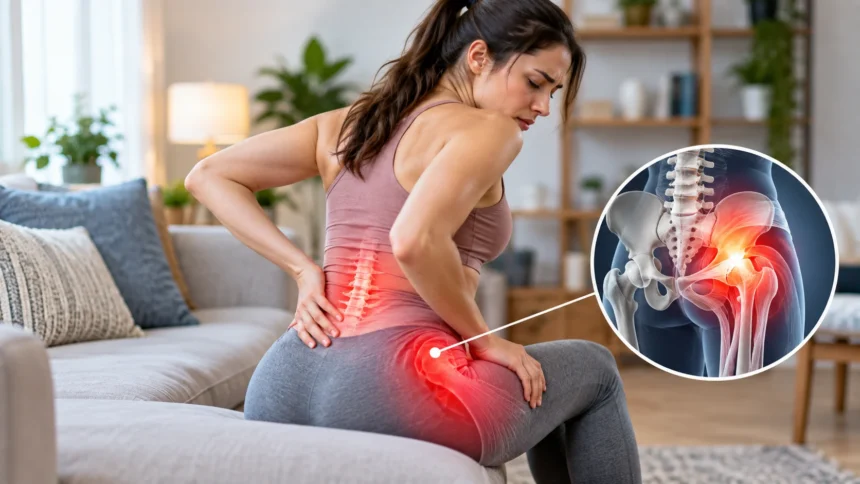
Female lower back and hip pain can develop for many reasons, ranging from everyday muscle strain to joint problems, menstrual changes, pregnancy, or certain pelvic conditions. The discomfort may stay in one area or spread across the lower back, buttocks, groin, or thighs. Understanding the pattern of your symptoms can help you decide what kind of care may be appropriate.
Some causes are linked to muscles and joints, while others may involve the reproductive or urinary systems. The timing, location, severity, and accompanying symptoms all provide useful clues. Pain after exercise, for example, may have a very different explanation from discomfort that repeatedly appears around menstruation or comes with urinary symptoms.
Most mild aches improve with appropriate movement, rest, and simple self-care. However, severe or persistent pain should not be ignored, especially when it appears alongside weakness, numbness, fever, unusual bleeding, or bladder and bowel changes. Paying attention to these warning signs can help you seek professional assessment when necessary.
What Does Female Lower Back and Hip Pain Feel Like?
Lower back and hip pain in women can feel different depending on the underlying cause. Some people describe a dull, heavy ache across the waistline, while others experience a sharp sensation near one hip or deep inside the buttock. Discomfort may also spread into the groin, pelvis, upper thigh, or down the back of the leg.
The pain may remain constant or only appear during certain movements. Bending forward, sitting for long periods, standing from a chair, walking upstairs, exercising, or lying on one side may make symptoms more noticeable. In other cases, discomfort may occur even when resting, particularly if inflammation or a non-musculoskeletal condition is contributing to the problem.
Timing can provide additional information. Pain related to physical activity may begin after lifting, running, or prolonged sitting, while menstrual or pelvic symptoms may follow a recurring monthly pattern. Keeping track of when discomfort begins, what makes it worse, and what other symptoms occur can provide useful information if medical evaluation becomes necessary.
Common Muscular Causes of Lower Back and Hip Pain
Muscle strain is one of the most common explanations for lower back and hip discomfort. It can occur after lifting something heavy, suddenly increasing exercise intensity, using poor movement technique, or spending many hours in one position. The muscles may feel stiff, tender, tight, or sore, particularly during movement or when pressure is applied.
Weak or fatigued muscles around the hips and core can also contribute to discomfort. The glutes, abdominal muscles, hip stabilizers, and lower-back muscles work together to support the pelvis during standing and movement. When one area becomes overloaded, surrounding muscles may compensate, creating tightness or soreness that can be felt across both the back and hips.
Gentle activity is often more comfortable than complete inactivity for uncomplicated muscular soreness. Walking, gradually returning to normal movement, and performing appropriate mobility exercises may help. Gentle stretches such as a runner’s stretch may also support lower-body flexibility when tight hip and leg muscles are contributing to discomfort.
Can Hip Joint Problems Cause Lower Back Pain?
The hip joint and lower back are closely connected through the pelvis, muscles, and surrounding connective tissues. A problem affecting hip movement can sometimes change the way you walk, stand, or move, placing additional stress on the lower back. For this reason, hip-related discomfort and back pain can sometimes appear at the same time.
Hip osteoarthritis is one possible cause, particularly as people get older. Symptoms may include stiffness, reduced range of motion, pain in the groin or front of the thigh, and discomfort after prolonged activity. Some people also notice difficulty putting on shoes, climbing stairs, or getting in and out of a vehicle because hip movement becomes uncomfortable.
Other possibilities include irritation of tendons or tissues around the hip. Greater trochanteric pain syndrome, for example, may cause tenderness along the outside of the hip and discomfort when lying on the affected side. A healthcare professional can help differentiate joint, tendon, muscle, and lower-back causes when symptoms persist or interfere with normal activities.
Menstrual Cycle and Lower Back and Hip Pain
Menstrual cramps do not always remain limited to the lower abdomen. Some women experience aching across the lower back, hips, pelvis, or upper thighs before or during menstruation. Hormonal changes and uterine contractions may contribute to discomfort, particularly during the first few days of a menstrual period.
For some people, menstrual-related back pain is mild and manageable, while others experience symptoms strong enough to interfere with work, sleep, exercise, or daily responsibilities. Warmth, gentle movement, adequate rest, and appropriate over-the-counter pain relief may help some people. Medication should always be used according to its directions and individual health considerations.
Pain that is unusually severe, progressively worsening, or accompanied by heavy bleeding deserves medical attention. Persistent pelvic and back pain may sometimes be associated with conditions that require further evaluation. Tracking symptoms across several menstrual cycles can help a clinician understand whether pain consistently follows a hormonal or menstrual pattern.
Endometriosis and Pelvic-Related Back Pain
Endometriosis is one condition that can sometimes cause pain in the pelvis, lower back, or hips. It occurs when tissue similar to the lining of the uterus grows outside the uterus, potentially leading to inflammation and pain. Symptoms vary considerably, meaning one person may experience severe discomfort while another may have relatively mild symptoms.
Possible signs can include painful periods, pelvic pain, discomfort during or after sex, pain with bowel movements, and difficulty becoming pregnant. Lower-back discomfort may occur alongside these symptoms rather than appearing on its own. Because many of these symptoms can have other explanations, experiencing back or hip pain does not automatically mean someone has endometriosis.
Medical evaluation is appropriate when recurring pelvic or menstrual pain regularly interferes with daily life. A healthcare provider can review symptoms, perform appropriate examinations, and determine whether additional testing is needed. Keeping a record of pain severity, menstrual timing, bleeding patterns, and related symptoms can make these conversations more informative.
Pregnancy and Postpartum Lower Back and Hip Pain
Lower back and hip discomfort are common during pregnancy because the body experiences significant physical changes. Increasing body weight, changes in posture, altered movement patterns, and hormonal effects on joints and connective tissues can all influence how the pelvis and spine feel. Symptoms may become more noticeable as pregnancy progresses.
Some pregnant people experience pain near the back of the pelvis, while others notice discomfort around the hips, groin, or lower back. Certain movements, including walking, turning in bed, climbing stairs, or standing on one leg, can sometimes make symptoms worse. Appropriate activity and professionally recommended exercises may help manage discomfort depending on the individual’s condition.
Postpartum discomfort can continue after delivery as the body gradually recovers. Caring for a baby can also involve frequent lifting, feeding positions, carrying, and interrupted rest that place additional demands on the back and hips. Persistent or significant postpartum pain should be discussed with a qualified healthcare professional rather than assumed to be a normal part of recovery.
Could Sciatica Cause Hip and Lower Back Pain?
Sciatica describes symptoms caused by irritation or compression involving the sciatic nerve or its nerve roots. Pain may begin in the lower back or buttock and travel down one leg, sometimes reaching the calf or foot. The sensation can feel sharp, burning, electric, or shooting rather than like ordinary muscular soreness.
Numbness, tingling, or weakness may sometimes accompany sciatic-type pain. Symptoms can become worse during prolonged sitting, coughing, certain bending movements, or activities that place additional stress on the lower spine. However, not every pain that spreads into the hip or leg is sciatica, so diagnosis should not be based solely on where discomfort is felt.
Mild cases may improve with appropriate movement and conservative care, but symptoms should be monitored. Progressive weakness, significant numbness, or pain that continues despite basic self-care may require professional assessment. Sudden bladder or bowel problems combined with leg weakness or numbness around the groin require urgent medical evaluation.
Urinary and Kidney Problems That May Cause Back Pain
Not all lower-back pain comes from muscles, bones, or joints. Urinary tract or kidney problems can sometimes cause pain around the back, side, or flank. These conditions may produce discomfort higher than typical mechanical lower-back pain, although symptom location can vary considerably from person to person.
A urinary tract infection may cause burning during urination, frequent urges to urinate, pelvic discomfort, or cloudy urine. If an infection reaches the kidneys, symptoms can become more serious and may include fever, chills, nausea, and pain in the back or side. These symptoms should be medically assessed rather than treated as ordinary muscle strain.
Kidney stones can also cause intense pain that may travel from the side or back toward the lower abdomen or groin. The pain may come in waves and can be accompanied by nausea or blood in the urine. Severe flank pain, fever, difficulty urinating, or significant urinary changes deserve prompt medical attention.
At-Home Tips for Mild Lower Back and Hip Pain
For mild pain associated with everyday activity, continuing gentle movement may help prevent additional stiffness. Short walks and comfortable daily activities can often be better than spending long periods completely inactive. However, activities that clearly increase pain should be reduced temporarily rather than repeatedly pushing through significant discomfort.
Heat may feel soothing when muscles around the back or hips feel tense or stiff. Some people prefer cold applications after a recent strain or activity that causes localized soreness. Either option should be wrapped appropriately rather than applied directly to the skin, and personal comfort can guide which approach feels most helpful.
Gradually strengthening the hips, glutes, and core may also support better movement over time. Exercises should begin at a manageable level and progress slowly rather than becoming painful or exhausting. If stretching or strengthening repeatedly increases symptoms, professional guidance can help determine whether the exercise is appropriate for your specific situation.
Lifestyle Habits That May Help Prevent Recurring Pain
Spending many hours in the same position can contribute to stiffness and muscular fatigue around the lower back and hips. Changing positions regularly, taking brief walking breaks, and avoiding prolonged uninterrupted sitting can help keep the body moving. There is no single perfect posture, so frequent comfortable movement is often more practical than trying to maintain one rigid position all day.
Regular strength training can support the muscles responsible for stabilizing the hips, pelvis, and spine. Exercises involving the glutes, legs, abdominal muscles, and back can be included as part of a balanced routine. Progress gradually and focus on controlled movement rather than immediately using heavy resistance or performing complicated exercises.
Sleep, recovery, and general activity levels matter as well. A sudden increase in running, lifting, household work, or exercise can overload tissues that are not prepared for the additional demand. Gradually increasing activity allows muscles and joints time to adapt, potentially reducing the likelihood of repeated soreness or strain.
When Should You See a Doctor?
Medical assessment is appropriate when lower back and hip pain continues for several weeks, keeps returning, or progressively becomes worse. You should also consider professional evaluation when discomfort significantly limits walking, sleeping, working, exercising, or performing normal daily activities. Persistent symptoms may require a more specific diagnosis rather than repeated self-treatment.
Seek prompt medical care when pain appears with fever, unexplained weight loss, significant weakness, severe abdominal or pelvic symptoms, or unusual vaginal bleeding. Pain following a major fall, accident, or other significant injury should also be evaluated. These features do not automatically indicate a serious condition, but they warrant proper medical assessment.
Emergency evaluation is particularly important if back pain develops alongside loss of bladder or bowel control, numbness around the groin or inner thighs, or rapidly increasing leg weakness. Severe pain during pregnancy, especially with bleeding or other concerning symptoms, also requires prompt medical attention. Recognizing these warning signs can help prevent delays in necessary care.
Conclusion
Female lower back and hip pain can result from many different factors, including muscle strain, hip problems, nerve irritation, menstrual symptoms, pregnancy, pelvic conditions, and urinary issues. The location of pain alone usually cannot identify the exact cause. Looking at timing, triggers, accompanying symptoms, and how the pain changes can provide more useful clues.
Mild discomfort related to activity may improve with gentle movement, appropriate rest, heat or cold, and gradual strengthening. Avoid forcing stretches or exercises that clearly make symptoms worse. A balanced approach that combines regular movement with sensible recovery can help support the hips and lower back over time.
Persistent, severe, or unusual pain deserves professional evaluation, particularly when additional pelvic, urinary, neurological, or systemic symptoms are present. Seeking appropriate care does not mean something serious is necessarily wrong, but it allows the cause to be assessed properly. Early evaluation can also provide clearer guidance on safe treatment and activity.
FAQs
Why do my lower back and hips hurt at the same time?
The lower back, hips, and pelvis work together during movement, so irritation in one area can affect another. Muscle strain, joint problems, nerve irritation, menstrual symptoms, and pelvic conditions are possible causes.
Can hormones cause lower back and hip pain?
Hormonal changes around menstruation, pregnancy, and other stages of life can influence tissues and pain sensitivity. However, recurring or severe pain should not automatically be assumed to be hormonal without appropriate evaluation.
Why does my lower back hurt before my period?
Menstrual-related uterine contractions and hormonal changes can contribute to aching in the pelvis and lower back. If the pain is severe, worsening, or regularly disrupts daily activities, discussing it with a healthcare professional is sensible.
Can tight hips cause lower back pain?
Limited or uncomfortable hip movement can sometimes change how the pelvis and lower back move during daily activities. Muscle tightness may contribute, although persistent pain can have other causes that require assessment.
When is lower back and hip pain serious in women?
Seek medical attention for severe or persistent pain, especially with fever, unusual bleeding, urinary changes, significant weakness, numbness, or unexplained symptoms. Emergency care is important for bladder or bowel loss or numbness around the groin.
