

What Is a Runners Stretch?
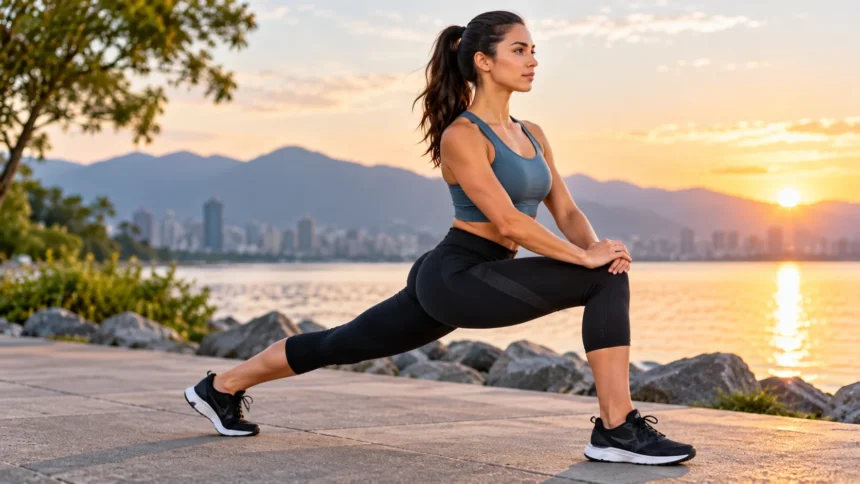
A runners stretch is a simple lower-body stretch commonly used to loosen the calves, hamstrings, hips, and surrounding leg muscles. It is especially popular among runners, walkers, athletes, and people who spend long periods sitting. The movement can help reduce feelings of tightness while supporting comfortable mobility before or after physical activity.
The traditional runners stretch is usually performed in a staggered stance with one foot positioned behind the other. The front knee bends slightly while the back leg stays relatively straight and the heel remains close to the floor. This position creates a controlled stretch through the calf and may also engage tissues around the ankle and Achilles tendon.
Although the name suggests it is only for runners, almost anyone can include this stretch in a mobility routine. People who walk, cycle, strength train, or simply feel stiffness in their lower legs may find it useful. The key is to perform the movement gently instead of forcing your body into a deeper position.
What Muscles Does the Runners Stretch Target?
The primary muscles targeted during a runners stretch are the calf muscles, particularly the gastrocnemius. This large calf muscle crosses the knee joint and helps control ankle movement when you walk, run, jump, or climb stairs. Keeping the back knee straight usually increases the stretching sensation through this part of the calf.
The soleus, another important calf muscle, can also be targeted by slightly bending the back knee. It sits deeper than the gastrocnemius and plays an important role in standing, walking, and pushing off the ground. Adjusting your knee position allows you to shift the emphasis between different areas of the lower leg.
Depending on your stance and technique, you may also notice mild tension through the hamstrings, hips, or Achilles tendon. These areas work together during running and other lower-body movements. A balanced mobility routine should therefore address several muscle groups rather than focusing on one isolated area.
How to Do a Runners Stretch Correctly
Begin by standing upright and placing your hands against a wall, sturdy chair, or another stable surface for balance. Step one foot backward while keeping both feet pointing generally forward. Bend your front knee gently and keep your back leg straight while maintaining a comfortable, upright posture through your upper body.
Slowly shift your weight toward the front leg while keeping the heel of your back foot on or near the floor. You should feel a gentle pulling sensation through the calf of the back leg rather than sharp discomfort. Hold the position for about 20 to 30 seconds while breathing naturally and keeping your shoulders relaxed.
Return to the starting position and repeat the stretch on the opposite side. Many people perform two or three rounds on each leg depending on their mobility needs and training routine. Avoid bouncing into the stretch because slow, controlled positioning allows the muscles to relax more comfortably.
Form Tips for a More Effective Runners Stretch
Proper foot positioning can make a noticeable difference in how the runners stretch feels. Try to keep the toes of your back foot facing forward instead of allowing the foot to rotate excessively outward. Keeping the heel grounded also encourages a more controlled stretch through the calf and ankle without creating unnecessary instability.
Your front knee should bend naturally while remaining roughly aligned with your foot. Avoid collapsing the knee inward because this may change your posture and reduce the quality of the stretch. Keep your hips facing forward and your spine neutral rather than leaning excessively toward the wall or arching your lower back.
Breathing is another important part of stretching technique. Take slow breaths and allow the muscles to relax gradually instead of holding your breath while pushing deeper. A runners stretch should feel like controlled tension, not a test of how far you can force your joints or muscles.
Key Benefits of the Runners Stretch
One of the main benefits of the runners stretch is improved flexibility through the calf muscles. Running repeatedly requires the calves to shorten and contract as you push your body forward. Gentle stretching may help maintain comfortable muscle length and make everyday movements such as walking, climbing stairs, and squatting feel less restricted.
The stretch can also support ankle mobility, which is important for efficient lower-body movement. Limited ankle movement may affect how comfortably you perform exercises such as lunges, squats, or running strides. Regular calf stretching may help you maintain the ankle range of motion needed for smoother movement during training and daily activities.
Another advantage is that the exercise requires no special equipment and can be performed almost anywhere. You can use a wall, railing, desk, or stable surface for support. Because the runners stretch takes only a few minutes, it can easily fit into warm-ups, cooldowns, mobility sessions, or short movement breaks.
Should You Stretch Before or After Running?
Before running, your body generally benefits from movements that gradually increase circulation and prepare the muscles for activity. Dynamic exercises such as walking lunges, leg swings, ankle circles, or gentle calf raises are often more suitable immediately before a run. They allow your joints and muscles to move through comfortable ranges without holding one position for long.
A runners stretch that involves a longer static hold is often better suited to the cooldown period after exercise. After running, your muscles are warm and may feel tight from repeated contractions. Gentle static stretching can provide a relaxing way to transition from higher-intensity activity to a slower recovery phase.
This does not mean static stretching before running is always inappropriate. A brief, gentle stretch may feel useful if a particular area feels unusually stiff, but it should not replace a complete warm-up. Your pre-run routine should still include movement that gradually prepares your muscles, joints, breathing, and heart rate for exercise.
Common Runners Stretch Mistakes to Avoid
One common mistake is lifting the heel of the back foot too far away from the floor. When this happens, you may reduce the stretch through the calf and shift your body into an unstable position. Shorten your stance slightly if necessary so you can maintain comfortable heel contact without forcing the ankle downward.
Another mistake is pushing aggressively toward the wall in an attempt to create a stronger stretch. More tension does not automatically mean better flexibility or better results. Stretch only until you feel mild to moderate tension, and stop if you experience sharp pain, burning, numbness, or discomfort around a joint.
Some people also rotate the back foot outward without realizing it. This changes the alignment of the ankle, knee, and hip and may reduce the intended stretch. Keep your feet comfortably forward, maintain controlled posture, and prioritize consistency over trying to achieve an exaggerated stretching position.
Runners Stretch Variations for Different Mobility Levels
If the standard runners stretch feels too intense, move your back foot slightly closer to your front foot. A shorter stance reduces the amount of tension placed on the calf and ankle. Using a wall or sturdy surface for extra support can also help beginners concentrate on positioning without worrying about maintaining balance.
To target the deeper soleus muscle, keep the same staggered stance but gently bend the back knee while keeping the heel down. You will probably notice the stretching sensation move lower into the calf. This bent-knee variation can be useful for people wanting to work on ankle mobility and different parts of the calf complex.
More flexible individuals can increase the distance between their feet gradually while maintaining good alignment. However, increasing the stretch should never involve forcing the heel down or twisting the foot. Progress should come from consistent mobility practice rather than trying to achieve maximum range during a single stretching session.
Combine Stretching With Lower-Body Strength Work
Stretching can improve how your muscles feel and move, but flexibility is only one part of healthy lower-body function. Strength exercises for the calves, hips, glutes, and thighs can help your body control the range of motion you develop. Combining mobility and strength work often creates a more balanced approach than relying exclusively on stretching.
For example, calf raises can strengthen the muscles that the runners stretch targets, while squats and lunges develop broader lower-body control. Hip-focused exercises are also useful because hip stability influences running mechanics and leg alignment. Exercises such as side-lying leg lifts can complement your stretching routine by strengthening muscles around the hips.
You do not need to perform every exercise during every workout. A practical routine might combine several minutes of mobility work with two or three strength exercises performed consistently throughout the week. The goal is to build flexibility, strength, coordination, and movement control together instead of treating them as completely separate fitness goals.
How to Add the Runners Stretch to Your Routine
A simple approach is to perform the runners stretch after walking, jogging, strength training, or another activity that warms your lower body. Hold each side for approximately 20 to 30 seconds and repeat once or twice. The entire stretching routine can take only a few minutes, making it easier to maintain consistently.
You can also include the stretch during mobility-focused sessions on recovery days. Pair it with gentle hamstring stretches, hip flexor stretches, ankle mobility exercises, and relaxed movement. Instead of trying to make every session intense, focus on controlled movements that leave your body feeling comfortable rather than exhausted.
Consistency matters more than performing extremely long stretching sessions occasionally. A few minutes of regular mobility work can be easier to maintain than an ambitious routine you rarely complete. Pay attention to how each side feels and gradually adjust your stance, duration, and frequency based on your comfort and activity level.
Runners Stretch for Calf and Ankle Mobility
Healthy ankle movement helps your body move naturally when walking, running, squatting, or climbing stairs. Tight calf muscles may make ankle dorsiflexion, the movement of bringing the shin toward the foot, feel limited. The runners stretch can gently encourage movement through this area while reducing the sensation of calf stiffness.
Ankle mobility becomes particularly important during running because every stride involves loading and pushing through the foot and lower leg. If the ankle feels restricted, other parts of the body may have to adjust how they move. Mobility exercises can therefore be useful alongside strength training, gradual running progression, and appropriate recovery.
However, stretching should not be treated as a solution for every ankle or calf problem. Persistent stiffness can sometimes relate to training load, previous injury, footwear, weakness, or other factors. If mobility problems continue despite reasonable stretching and recovery, professional assessment may help identify what is contributing to the restriction.
When to Avoid or Modify the Runners Stretch
The runners stretch should create gentle muscular tension rather than significant pain. Stop the movement if you experience sharp pain, sudden pulling, numbness, tingling, or unusual discomfort. Stretching aggressively through pain can irritate tissues rather than improve mobility, particularly when an area is already injured or sensitive.
People recovering from calf strains, Achilles tendon problems, ankle injuries, or recent lower-leg surgery may need to modify or temporarily avoid certain stretches. The appropriate exercise depends on the type and stage of recovery. Guidance from a qualified healthcare or rehabilitation professional can help determine when stretching is suitable.
It is also important to separate normal muscle tightness from symptoms that may need evaluation. Persistent swelling, severe pain, unexplained weakness, or difficulty putting weight on the leg should not simply be stretched repeatedly. When symptoms feel unusual, worsen, or interfere with normal movement, professional guidance is more appropriate than forcing additional flexibility work.
Conclusion
The runners stretch is a simple and accessible way to target the calves while supporting comfortable ankle and lower-leg mobility. It requires minimal space and no specialized equipment, making it easy to include after running, walking, strength training, or other physical activities. Proper positioning helps you get the benefits without unnecessarily forcing your muscles.
For the best results, keep the back heel grounded, maintain comfortable foot alignment, and move gradually into the stretch. Hold the position long enough to feel gentle tension while breathing normally. Variations with a straight or slightly bent back knee can help emphasize different areas of the calf.
Stretching works best as part of a broader fitness routine that also includes strength, mobility, recovery, and gradual training progression. You do not need extreme flexibility to move well. Regular, controlled practice can help you maintain comfortable movement while supporting the physical demands of running and everyday activities.
FAQs
How long should you hold a runners stretch?
Hold a comfortable runners stretch for around 20 to 30 seconds on each side. You can repeat it two or three times depending on your flexibility, activity level, and how your legs feel.
Is a runners stretch good for tight calves?
Yes, the runners stretch primarily targets the calf muscles and can help ease feelings of tightness. Use gentle pressure and avoid forcing the heel downward if the calf feels especially stiff.
Can beginners do the runners stretch?
Beginners can perform the stretch by using a shorter stance and placing their hands against a wall for support. Gradually increase the stretch as flexibility and comfort improve.
Should runners stretch every day?
Gentle stretching can be performed regularly when it feels comfortable, although daily stretching is not required for everyone. Frequency should depend on your training routine, mobility goals, recovery needs, and individual comfort.
Does the runners stretch help ankle flexibility?
The runners stretch may support ankle mobility by stretching the calf muscles that influence ankle movement. Combining it with controlled ankle mobility exercises and lower-body strengthening can provide a more balanced approach.
