

Bleeding Heart Plant Care: Growing & Blooming Guide
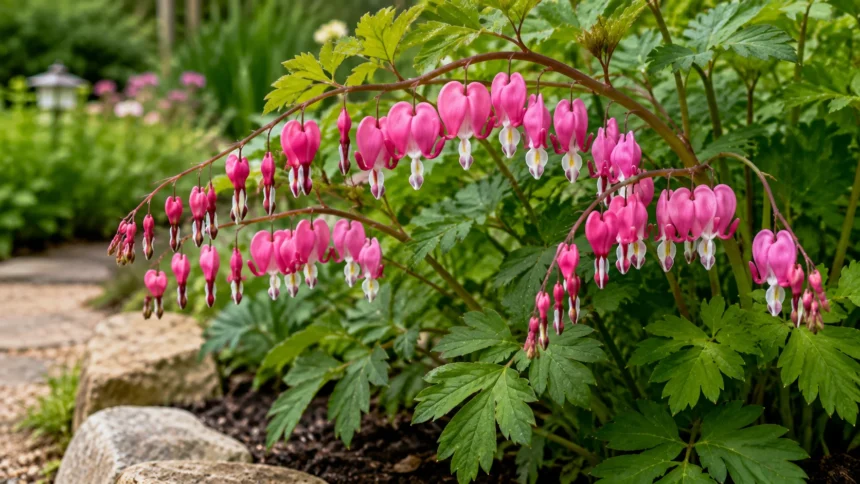
Bleeding heart is one of the most recognizable shade-loving perennials, known for its graceful arching stems and heart-shaped flowers that appear to hang like tiny pendants. Traditional bleeding heart plants often produce pink outer petals with white inner tips, although white-flowering forms and related varieties are also available. The plant adds a soft woodland character to shady borders, cottage gardens, and areas beneath deciduous trees. Once established in suitable conditions, bleeding heart can return for many years with relatively little maintenance. Its foliage emerges early in the growing season and creates an attractive mound before flowering begins. Understanding its seasonal growth pattern makes caring for the plant much easier.
The classic bleeding heart, often known botanically as Lamprocapnos spectabilis, grows best where summers are not excessively hot and the soil stays evenly moist without becoming waterlogged. It naturally prefers conditions similar to woodland edges, where sunlight is filtered and the soil contains plenty of organic matter. Morning sun followed by afternoon shade is often ideal, especially in warmer climates. Too much direct afternoon sunlight can cause leaves to scorch and may shorten the flowering period. Deep shade can also reduce flower production when the plant receives very little usable light. Finding a balanced location is therefore one of the most important parts of successful bleeding heart care.
Bleeding heart has an unusual seasonal rhythm that sometimes worries first-time growers. The plant often grows rapidly in spring, produces flowers, and then begins turning yellow or disappearing as summer becomes warmer. This does not necessarily mean the plant has died. Traditional bleeding heart commonly enters dormancy after flowering, particularly in hot or dry conditions. The underground roots remain alive and can produce fresh growth the following spring. Gardeners who understand this natural dormancy are less likely to overwater, dig up, or discard a perfectly healthy plant.
Good soil preparation also plays a major role in long-term growth. Bleeding heart prefers fertile, loose, well-draining soil that holds enough moisture to support spring growth while allowing excess water to escape. Heavy compacted soil can remain wet around the roots and increase the risk of rot, while extremely sandy soil may dry too quickly. Adding compost or other well-decomposed organic matter can improve both fertility and moisture balance. Mulching around the plant helps maintain more stable soil conditions during changing weather. The crown should still remain free from thick, wet mulch that could trap excessive moisture.
This growing and blooming guide explains how to care for bleeding heart plants from planting through dormancy. You will learn how much light the plant needs, how often to water it, what type of soil works best, when to fertilize, and how to encourage healthy blooms. The guide also covers pruning, propagation, transplanting, overwintering, pests, diseases, and common reasons a bleeding heart fails to flower. Whether you are growing one plant in a shaded border or creating an entire woodland garden, the same basic principles apply. Consistent moisture, gentle light, good drainage, and patience with the plant’s seasonal cycle provide the foundation for success.
1. Choose the Right Location for Bleeding Heart
The best location for bleeding heart usually provides partial shade rather than intense all-day sunlight. In cooler regions, the plant may tolerate several hours of gentle morning sun without difficulty. In warmer climates, afternoon shade becomes much more important because strong heat can cause foliage to wilt, scorch, or die back earlier in the season. A position beneath high tree branches, beside a north- or east-facing wall, or along a shaded border can work well. The goal is to provide enough light for flowering without exposing the foliage to prolonged heat stress. Observing how sunlight moves through the garden before planting can prevent later problems.
Morning sunlight is often especially beneficial because it provides usable light while temperatures are relatively mild. A bleeding heart receiving two to four hours of early sun followed by bright shade can produce strong growth and dependable flowers. Harsh western exposure is more challenging because afternoon sunlight arrives when temperatures are highest. If your garden only offers sunnier positions, extra moisture and a protective layer of mulch may help, but the plant may still enter dormancy earlier. Shade cloth or nearby companion plants can provide additional protection. Choosing a naturally suitable location is easier than constantly correcting excessive heat after planting.
Deep shade is not always ideal either. Bleeding heart can survive in quite shady situations, but flowering may become weaker if the plant receives almost no indirect or filtered light. Long stems may lean toward brighter areas, and the overall growth can become less dense. A site with dappled light beneath deciduous trees often creates a good compromise. Early in spring, the plant can receive more sunlight before the tree canopy fully develops. As temperatures increase, newly formed leaves overhead provide additional shade exactly when bleeding heart benefits from it most.
Air circulation should also be considered when selecting a site. A crowded corner with constantly wet foliage can encourage fungal problems, particularly during cool and humid weather. Give mature plants enough room for their stems to arch naturally without being pressed tightly against walls or neighboring plants. At the same time, avoid extremely exposed sites where strong winds can damage delicate stems. Bleeding heart flowers look especially attractive when allowed to hang freely rather than being flattened by surrounding growth. Spacing plants according to their mature size produces both healthier growth and a better display.
Container-grown bleeding hearts require similar light conditions but may need even more protection from heat. Pots warm more quickly than garden soil, so roots can experience temperature and moisture fluctuations during sunny weather. Place containers where they receive morning light and afternoon shade, and avoid leaving dark-colored pots on hot paving. Larger containers maintain more stable moisture than very small ones. Drainage holes are essential because excess water must be able to escape. A carefully positioned container can provide excellent blooms, especially on shaded patios and balconies.
2. Prepare the Best Soil for Healthy Growth
Bleeding heart performs best in soil that is rich in organic matter but still drains efficiently. Woodland-style soil containing decomposed leaves, compost, and fine organic material closely resembles the conditions the plant naturally prefers. Before planting, loosen the soil so roots can spread without encountering hard compacted layers. Mix in finished compost when the existing soil is poor or low in organic matter. The result should feel loose and moisture-retentive rather than sticky and waterlogged. Good preparation at planting time often reduces the amount of corrective care needed later.
Heavy clay soil can be improved, but drainage needs careful attention. Simply placing a bleeding heart into a small hole filled with soft compost can sometimes create a basin where water collects around the roots. Instead, improve a wider area so water can move gradually through the surrounding soil. Organic matter can help improve structure over time, while raised beds may be useful in locations that remain persistently saturated. Avoid planting in low spots where rainwater stands after storms. Bleeding heart enjoys moisture but dislikes roots sitting in stagnant water for long periods.
Very sandy soil creates the opposite challenge because it may drain too rapidly. Bleeding heart can wilt and enter dormancy earlier when its root zone repeatedly becomes dry during spring. Compost and leaf mold can improve water-holding capacity without making the soil heavy. A surface mulch also reduces evaporation and keeps the root zone cooler. Water may need to be applied more frequently during dry periods until the plant becomes established. Deep, thorough watering is generally better than frequent shallow sprinkling because it encourages moisture to reach the full root zone.
Soil pH is less critical than drainage and organic matter, but bleeding heart generally performs well in mildly acidic to neutral garden soil. Gardeners rarely need to make major pH adjustments unless a soil test reveals an extreme condition. Avoid adding lime, sulfur, or other amendments simply because a generic garden recipe recommends them. Existing soil information is more useful than guessing. Healthy plants growing nearby can also provide clues about general soil conditions. When in doubt, improving structure with compost is often more beneficial than aggressively changing pH.
Mulching after planting helps create the cool, moist environment bleeding heart prefers. Apply a moderate layer of compost, shredded leaves, or another suitable organic mulch around the plant while keeping the crown itself relatively clear. Thick mulch piled directly against emerging stems can hold excessive moisture and make the crown more vulnerable to decay. As organic mulch breaks down, it also contributes additional material to the soil. Refresh the layer when it becomes thin rather than repeatedly piling on large amounts. Proper mulch management supports moisture control without suffocating the plant.
3. Water Bleeding Heart the Right Way
Consistent moisture is especially important while bleeding heart is actively growing in spring. The plant’s soft foliage and rapidly developing flower stems can lose water quickly during warm or windy weather. Check the soil with your finger rather than watering according to a rigid calendar. If the upper few centimeters feel dry while the root zone below still feels slightly moist, watering may soon be appropriate. The soil should never remain permanently saturated. Aim for an even moisture level that resembles a well-drained woodland floor.
Newly planted bleeding hearts require closer attention because their roots have not yet spread into the surrounding soil. Water thoroughly after planting so soil settles around the roots and major air pockets disappear. During the first several weeks, check moisture regularly, particularly if rainfall is limited. Once the plant becomes established, it usually tolerates short dry periods better than it did initially. However, prolonged spring drought can reduce flowering and encourage early dormancy. Consistency during the establishment period creates a stronger root system for future seasons.
Water should generally be directed toward the soil rather than repeatedly soaking the foliage. A watering can, hose wand, or drip system can deliver moisture around the root zone with less leaf wetness. This approach is particularly useful in humid climates where leaves dry slowly. Watering early in the day allows any accidental splashing on foliage to evaporate before nighttime. Evening watering is not automatically harmful, but permanently damp leaves can increase disease risk. Gentle soil-level irrigation is usually the simplest routine.
Overwatering creates symptoms that can be confused with drought stress. Leaves may wilt or yellow when damaged roots can no longer function properly, even though the surrounding soil remains wet. Before adding more water to a struggling plant, always check the soil. If it feels soggy several centimeters below the surface, allow it to drain rather than watering again. Persistent saturation may indicate poor site drainage rather than incorrect watering frequency. Improving drainage is more effective than repeatedly adjusting the watering schedule.
Water needs usually decrease after the plant naturally becomes dormant. Once foliage has yellowed and died back, there is much less active growth using moisture. Garden soil should not be allowed to become desert-dry for months, but the plant generally does not need the same frequent watering it required while flowering. Avoid soaking an inactive crown unnecessarily. In containers, occasional checks remain important because potting mix can dry completely during hot weather. Adjusting watering according to the plant’s seasonal stage is one of the easiest ways to prevent root problems.
4. Feed and Fertilize Without Overdoing It
Bleeding heart generally does not require heavy feeding when planted in fertile soil containing plenty of organic matter. In many gardens, an annual top-dressing of compost is enough to support healthy spring growth. Excessive fertilizer can encourage lush foliage without improving flowering proportionally. High levels of soluble fertilizer can also stress roots or create unnecessary salt buildup in container soil. The plant benefits more from balanced fertility than aggressive feeding. Starting with good soil usually reduces the need for frequent fertilizer applications.
If growth appears weak and the soil is known to be poor, a balanced slow-release fertilizer can be used in spring according to the product label. Apply it around the root zone rather than directly against emerging stems. Water afterward if the instructions recommend it so nutrients begin moving into the soil. Avoid doubling the suggested amount in an attempt to force faster growth. Perennials respond better to steady nutrition than sudden heavy doses. More fertilizer does not guarantee more flowers.
Compost is especially valuable because it improves soil structure as well as fertility. A thin layer around the plant can add nutrients gradually while increasing moisture retention and supporting soil organisms. Well-rotted leaf mold can be useful in woodland-style plantings where bleeding heart grows among ferns and other shade plants. Avoid fresh manure or undecomposed organic waste around the crown because these materials may be too strong or unstable. Finished organic matter is safer and easier for roots to tolerate. Incorporating it into the wider bed benefits companion plants as well.
Container plants may require somewhat more regular feeding because nutrients wash out of potting mix during repeated watering. A diluted balanced liquid fertilizer or slow-release product can be used during active growth if the potting mix contains limited nutrition. Stop heavy feeding as the plant begins entering dormancy because new soft growth is no longer the goal. Follow the manufacturer’s recommended frequency rather than feeding at every watering. Container plants can accumulate fertilizer salts faster than those growing in the ground. Occasional thorough watering that drains freely through the pot can help prevent buildup.
Signs of overfertilization can include scorched leaf edges, weak lush growth, or unusually rapid foliage development without strong flowering. If you suspect excessive fertilizer, stop feeding and water the soil appropriately to reduce concentrated salts where drainage is good. Do not attempt to correct one heavy feeding with another amendment. Give the plant time to recover under normal growing conditions. A mature bleeding heart usually performs best when fertility is moderate and consistent. The goal is healthy roots and dependable flowering rather than maximum foliage size.
5. Encourage More Bleeding Heart Flowers
Successful flowering begins with adequate light. A bleeding heart growing in very deep shade may remain healthy but produce fewer flower stems because it lacks enough energy for abundant blooming. If the plant receives almost no filtered sunlight, consider whether nearby branches or structures are creating excessive darkness. Moving a plant should be done during an appropriate cool season rather than in the middle of active flowering. A brighter shaded position can improve performance considerably. Morning sun and afternoon shade often provide one of the best combinations.
Plant maturity also affects flowering. Newly divided or recently transplanted bleeding hearts may need time to rebuild their root systems before producing their best display. A plant that flowers lightly during its first season is not necessarily unhealthy. Avoid overfeeding in response because forcing soft growth can slow establishment rather than helping. Keep moisture consistent and allow the plant to settle into its location. Flowering often improves naturally once the roots become established. Patience can be more valuable than additional products.
Spring moisture has a strong influence on bloom duration. Soil that dries repeatedly while buds are forming can stress the plant and shorten the flowering period. Mulching and deep watering during dry weather help maintain more stable conditions. At the same time, waterlogged soil can damage roots and reduce flowering just as easily. The best flower production occurs when the soil remains evenly moist but aerated. This balance is one reason rich woodland-style soil works so well.
Deadheading spent flowers is optional for many traditional bleeding heart plants. Removing faded flower stems can improve the plant’s appearance and may prevent energy from being directed into seed production. However, deadheading does not usually create a dramatic second flush of bloom in the way it does for certain annuals. The plant follows a seasonal spring flowering cycle. Cut flower stems back cleanly once they become unattractive while leaving healthy foliage in place. Those leaves continue producing energy for the root system.
Temperature also influences how long blooms last. Cool spring weather can extend flowering, while sudden heat may cause flowers and foliage to fade more quickly. Gardeners cannot control the weather, but proper shade and moisture can reduce stress during warm periods. Planting bleeding heart near companion plants that provide gentle cover can also moderate soil temperature. In consistently hot climates, the blooming season may naturally be shorter than in cooler regions. Healthy plants can still return each year even when individual flowering periods vary.
6. Prune Bleeding Heart at the Right Time
Bleeding heart requires relatively little pruning during active growth. In spring, remove only damaged, broken, or obviously diseased stems unless there is a specific reason to cut more. Healthy foliage plays an important role in photosynthesis and helps recharge the underground roots after flowering. Cutting the entire plant back immediately after the last flower fades can weaken it over time. Allow leaves to remain until they naturally begin yellowing. The declining foliage is part of the plant’s normal seasonal cycle.
Spent flower stems can be removed once they become unattractive. Use clean, sharp pruners and cut the stem close to where it originates without damaging neighboring foliage. This tidies the plant and can prevent unwanted self-seeding if seed formation occurs. Traditional bleeding heart may produce seed pods when flowers are pollinated, although seed-grown plants take time to mature. Leaving a few pods is perfectly acceptable if you enjoy natural propagation. Pruning decisions can therefore depend partly on whether appearance or seed collection matters more.
As summer approaches, foliage may gradually turn yellow and collapse. Wait until the leaves have clearly lost their green color before removing them. At that stage, the plant has completed much of its energy storage and the declining stems contribute little additional benefit. Cut them near soil level using clean tools. Avoid pulling stems forcefully because you could disturb the crown or nearby roots. Once the plant disappears, a marker can help you remember where it is located.
Marking the dormant location is surprisingly useful in mixed perennial beds. Bleeding heart can vanish so completely that gardeners forget where it was planted and accidentally dig into the crown while adding summer flowers. A small plant label, stone, or garden marker solves this problem. Companion perennials that fill the space later in summer can also provide a visual reminder. Ferns, hostas, astilbes, and shade-tolerant groundcovers are commonly paired with bleeding heart for this reason. They help cover the gap without crowding the crown excessively.
Clean pruning tools are especially important if you remove diseased material. Wipe or disinfect blades according to an appropriate tool-cleaning method before moving to another plant. Do not place severely diseased foliage into compost unless your composting system reliably reaches conditions suitable for breaking down the relevant pathogen. Healthy yellowed foliage can usually be handled according to normal garden practices. Good sanitation reduces the chance of carrying disease from one plant to another. Minimal, well-timed pruning is usually all bleeding heart needs.
7. Propagate and Divide Bleeding Heart Plants
Division is one of the most reliable ways to propagate an established bleeding heart. Mature clumps can gradually become crowded, making occasional division useful for both propagation and rejuvenation. Early spring as new growth begins or early autumn after dormancy can be suitable times, depending on climate. Avoid dividing during hot midsummer weather when the plant is already stressed. Water the soil beforehand if it is very dry so digging causes less root damage. Working during cool conditions gives the divisions a better chance to establish.
Begin by digging around the plant rather than cutting immediately through the center. Lift the root mass carefully because bleeding heart roots can be fleshy and relatively brittle. Once the clump is out of the ground, inspect natural separation points and divide it into sections containing healthy roots and viable buds or crown material. A clean knife may be useful when sections cannot be separated by hand. Avoid creating extremely tiny pieces simply to produce more plants. Larger healthy divisions generally establish more reliably.
Replant divisions at approximately the same depth they were growing previously. Planting the crown too deeply can keep it excessively wet, while positioning roots too close to the surface may cause drying. Spread the roots naturally rather than forcing them into a narrow hole. Backfill with improved garden soil and water thoroughly after planting. Maintain even moisture while the division establishes. Some plants may flower lightly during the first season after division, which is normal.
Bleeding heart can also be propagated from seed, although this method requires more patience. Seeds may need a period of cool conditions before germinating successfully, reflecting the natural seasonal cycle they would experience outdoors. Seedlings also vary genetically, so they may not look exactly like the parent plant. Named cultivars are better reproduced through division when maintaining identical characteristics matters. Seed propagation can still be rewarding for gardeners who enjoy experimentation. Expect to wait longer for mature flowering plants.
Cuttings may work for certain bleeding heart types, but division remains simpler for most home gardeners. Whatever propagation method you choose, avoid taking too much material from a weak or recently established plant. Healthy parent plants recover more quickly and produce stronger divisions. Propagation is easiest when incorporated into routine garden maintenance rather than performed simply because the plant exists. A mature clump that has grown well for several years is usually a better candidate. Careful division can provide multiple healthy plants without purchasing replacements.
8. Handle Summer Dormancy and Winter Care
Traditional bleeding heart often begins dormancy after flowering, particularly when temperatures rise. Leaves may yellow, collapse, and eventually disappear entirely. This seasonal decline can happen relatively early compared with many other perennials. As long as the plant grew normally and flowered earlier, dormancy is usually not a sign of failure. The underground crown and roots remain alive beneath the soil. New shoots generally emerge again when suitable spring conditions return.
Once dormancy begins, reduce unnecessary watering while continuing to prevent extreme soil desiccation. The plant no longer needs the same moisture level required during vigorous spring growth. Wet soil surrounding an inactive crown can increase the risk of rot. Gardeners using automatic irrigation should make sure the dormant area is not being soaked simply because neighboring summer plants require heavy watering. Companion plants with moderate moisture needs are easier to manage. Designing the planting bed with seasonal water requirements in mind can prevent problems.
Summer companion plants can hide the empty space left behind after bleeding heart disappears. Hostas, ferns, heucheras, astilbes, and other shade-tolerant perennials can provide foliage later in the season. Position them so they fill visual gaps without completely covering the bleeding heart crown. Aggressive groundcovers can make future emergence more difficult if they form dense mats. Balanced companion planting creates a border that remains attractive after spring flowering ends. It also protects the soil from excessive heat and evaporation.
In cold-winter climates, established bleeding heart is generally hardy enough to survive winter when planted in suitable conditions. The underground roots naturally experience winter dormancy and do not usually require elaborate protection. A light layer of organic mulch after the ground cools can help moderate temperature fluctuations. Avoid piling heavy wet material directly over the crown. The greatest winter problem is often poor drainage rather than cold itself. Soil that remains waterlogged during freeze-thaw cycles can damage roots.
Container plants need additional consideration because roots above ground are exposed to colder temperatures than roots protected by garden soil. In very cold regions, containers may need to be moved to a sheltered location or otherwise protected according to the plant’s hardiness and local climate. Do not bring a dormant hardy perennial into a warm living room simply to protect it from winter unless the plant specifically requires that treatment. Dormancy is a normal part of its life cycle. Keep the root ball from becoming completely dry, but avoid frequent watering. Spring growth should resume once temperatures and daylight conditions become favorable.
9. Prevent Pests and Common Bleeding Heart Diseases
Bleeding heart is generally not considered an extremely pest-prone perennial, but problems can still occur. Slugs and snails may chew tender spring foliage, especially in damp shady gardens. Ragged holes and slime trails are common clues. Keeping heavy debris away from the immediate crown can reduce hiding places while still preserving useful mulch farther out. Hand-picking at night or early morning can help in small gardens. Other control methods should be chosen carefully according to local conditions and pet safety.
Aphids can occasionally gather on tender stems and new growth. Small populations may cause little meaningful damage, while heavier infestations can distort fresh leaves or coat surfaces with sticky honeydew. A strong but controlled stream of water may remove many aphids from sturdy stems. Beneficial insects can also reduce populations naturally. Avoid reaching immediately for broad-spectrum insecticides that may kill predators as well as pests. Regular observation makes minor infestations easier to manage before they become severe.
Fungal leaf spots can develop when foliage remains damp for long periods and air circulation is poor. Symptoms may include dark lesions, yellowing, or declining patches on leaves. Remove heavily affected material and avoid overhead watering when practical. Give plants enough spacing so air can move between stems. Because bleeding heart naturally yellows later in the season, it is important not to mistake normal dormancy for disease. Timing and pattern usually provide useful clues.
Root and crown rot are more serious concerns in poorly drained soil. A plant may wilt, collapse, or fail to return when roots remain saturated for extended periods. Improving drainage before planting is far more effective than trying to save a severely rotted plant later. Do not bury the crown deeply or pile wet mulch around emerging shoots. If one area of the garden consistently holds water, choose a different location. Bleeding heart prefers moisture but still needs oxygen around the roots.
Good cultural care prevents many problems without requiring constant treatment. Healthy soil, moderate shade, proper spacing, consistent moisture, and clean gardening practices allow bleeding heart to defend itself more effectively. Inspect plants occasionally rather than waiting until symptoms become severe. Remove fallen diseased material where appropriate and keep tools clean between plants. Avoid unnecessary chemical treatments on healthy foliage. A strong plant in the right environment usually requires very little pest or disease intervention.
10. Troubleshoot a Bleeding Heart That Will Not Bloom
Insufficient light is one of the first factors to consider when a bleeding heart produces leaves but few flowers. Although the plant prefers shade, extremely dark conditions can reduce its ability to produce abundant blooms. Observe the planting area during spring rather than assuming it receives enough light because the garden looks bright later in summer. Deciduous trees can create very different conditions as their leaves develop. A few hours of gentle morning sun or bright dappled light is often beneficial. Moving the plant may be worthwhile if the site is permanently dim.
A recently planted or divided bleeding heart may simply need additional time. Root disturbance can reduce flowering temporarily because the plant directs energy toward establishment. If foliage looks healthy and growth appears normal, avoid digging the plant up again immediately. Maintain proper moisture and allow it to settle for a full season. Flower production often improves the following spring. Repeated transplantation can delay recovery and create more stress.
Excess fertilizer can also reduce bloom quality when it encourages vigorous leafy growth at the expense of flowers. High-nitrogen feeding is particularly unnecessary in already fertile soil. Stop additional fertilizer and allow the plant to grow under normal conditions. Compost applied moderately is usually sufficient for established plants. If surrounding lawn fertilizer regularly reaches the bed, that may also contribute excess nutrients. More feeding should never be the automatic response to poor flowering.
Weather can affect flowering even when care is otherwise excellent. Late freezes may damage emerging buds, while sudden spring heat can shorten the bloom period. Extended drought during bud development can cause stress and reduce flower quality. Gardeners cannot prevent every weather event, but mulching and consistent moisture can moderate some extremes. Protecting tender growth from unusual late frost may help in areas where spring weather changes rapidly. One poor flowering year does not necessarily indicate a permanent problem.
Age and plant health should be considered last. Very crowded older clumps may benefit from division if flowering has gradually declined over several seasons. Inspect the plant for signs of root problems, pests, or disease before dividing. If the crown appears healthy, rejuvenating the clump can create new vigorous sections. Replant them in improved soil at the correct depth and allow time for establishment. Troubleshooting works best when you change one meaningful factor rather than applying several treatments at once.
Final Thoughts on Bleeding Heart Plant Care
Bleeding heart is a relatively easy perennial once you understand the conditions it naturally prefers. Partial shade, fertile soil, good drainage, and consistent spring moisture provide the foundation for healthy growth. The plant does not require constant fertilizing or complicated pruning. In fact, excessive attention can sometimes create more problems than it solves. Establish the right environment first and then allow the plant to follow its seasonal rhythm. A well-placed bleeding heart can return reliably for many years.
The plant’s spring flowers are the main attraction, so protecting the conditions that support bud development matters most. Give it enough filtered light to produce energy while shielding it from harsh afternoon sun. Keep the root zone evenly moist during active growth without allowing the soil to become saturated. A light organic mulch helps stabilize moisture and temperature. Avoid heavy feeding that promotes foliage instead of flowers. Simple, balanced care usually produces the best display.
Summer dormancy is one of the most important characteristics for new gardeners to understand. Yellowing foliage after flowering is often perfectly normal, especially in warm weather. Wait until leaves decline naturally before cutting the plant back. Mark the location so you do not accidentally disturb the dormant crown later in the season. Companion plants can fill the visual gap while the bleeding heart rests underground. The disappearance is temporary rather than evidence that the plant has died.
Propagation through division allows an established clump to be refreshed and shared around the garden. Divide only healthy mature plants and work during cool conditions when transplant stress is lower. Replant sections carefully at the correct depth and keep moisture consistent as new roots establish. Seed propagation is possible but takes longer and may produce variable plants. Whichever method you choose, avoid disturbing bleeding hearts unnecessarily. Stable plants usually flower better than those moved repeatedly.
Ultimately, bleeding heart care is about working with the plant rather than trying to force it into a different growth pattern. Provide woodland-like soil, gentle light, reliable spring moisture, and room for the stems to arch naturally. Accept dormancy as part of the life cycle and reduce watering once active growth ends. Watch for drainage problems and occasional pests, but avoid unnecessary treatments. When these basic needs are met, bleeding heart can become one of the most dependable and elegant spring perennials in a shaded garden. Its distinctive flowers make the modest amount of care worthwhile.
Frequently Asked Questions
Does bleeding heart come back every year?
Yes, bleeding heart is a perennial and can return each spring when grown within a suitable climate and given well-drained soil. The foliage may disappear during summer dormancy even though the roots remain alive underground.
How much sun does a bleeding heart plant need?
Bleeding heart generally grows best in partial shade with gentle morning sun or bright filtered light. In hot climates, protection from strong afternoon sunlight helps prevent leaf scorch and early dormancy.
Why is my bleeding heart turning yellow?
Yellow leaves often appear naturally after flowering as traditional bleeding heart begins summer dormancy. If yellowing occurs unusually early while the soil stays wet, poor drainage or root problems may also be involved.
Should I cut back bleeding heart after it blooms?
Remove spent flower stems if desired, but leave healthy green foliage until it naturally turns yellow. The leaves continue producing energy that supports the underground roots and next year’s growth.
Can bleeding heart grow in pots?
Yes, bleeding heart can grow well in a sufficiently large container with drainage holes and rich, well-draining potting mix. Keep the container in partial shade and monitor moisture carefully because pots can dry or heat up faster than garden soil.