

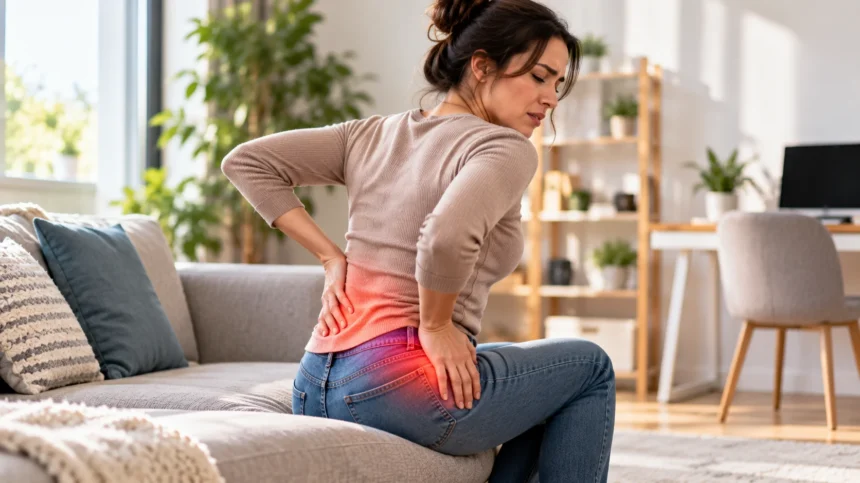
Back and hip pain can affect walking, sitting, sleeping, exercise, and everyday movement. Sometimes the discomfort begins in the lower back and spreads toward the hip, while in other cases the hip is the main source of pain. Because the lower back, pelvis, muscles, nerves, and hip joints all work closely together, symptoms can overlap and make the cause difficult to identify.
The type of pain can offer useful clues. Some people experience a dull ache, while others notice stiffness, burning, sharp pain, weakness, or discomfort that travels into the buttock or leg. Symptoms may appear after exercise, prolonged sitting, lifting, or an injury, but they can also develop gradually without one obvious trigger.
Many cases improve with activity modification, gentle movement, and time, but persistent or worsening symptoms may require professional assessment. Understanding common causes can help you recognize when discomfort may be muscular, joint-related, or nerve-related. This guide explains what back and hip pain could mean, practical relief options, and signs that deserve medical attention.
Why Back and Hip Pain Often Happen Together
The lower back and hips share many muscles and movement patterns, so a problem in one area can affect the other. Muscles around the pelvis help stabilize both the spine and hips during walking, bending, lifting, and standing. When one area becomes painful or weak, the body may compensate by placing extra stress somewhere nearby.
The nerves that leave the lower spine also travel toward the buttocks and legs. Irritation around the spine can therefore create symptoms that feel like hip pain even when the hip joint itself is not the main problem. This is one reason the location of pain alone may not identify the exact cause.
Hip stiffness can also change how the lower back moves. If the hips do not rotate or extend comfortably, the lumbar spine may compensate during everyday activities. Over time, repeated compensations can contribute to stiffness, muscle fatigue, and discomfort around both the back and hip region.
Muscle Strain and Overuse
A muscle strain is one of the most common causes of back and hip pain. It can develop after lifting, twisting, exercising, or suddenly increasing physical activity. The muscles of the lower back, glutes, and surrounding hip area may become irritated when they are loaded beyond their current capacity.
Muscle-related pain often feels sore, tight, or achy rather than electrical or numb. It may worsen when you use the affected muscle and improve gradually with rest and gentle movement. Mild strains can usually be managed without complete inactivity, provided normal activities do not significantly increase symptoms.
Overuse can produce similar discomfort without one specific injury. Repetitive movements, long workdays, intense workouts, or changes in training volume can fatigue the muscles around the spine and hips. Gradual progression and adequate recovery can help reduce the likelihood of recurring strain.
Poor Sitting Habits and Prolonged Inactivity
Sitting for long periods can make the lower back and hips feel stiff, particularly when movement breaks are limited. The hips remain flexed while seated, and the muscles surrounding the pelvis stay in similar positions for hours. This does not automatically damage the body, but prolonged inactivity can contribute to discomfort.
A chair that provides little support may make symptoms more noticeable for some people. Slouching, leaning to one side, or sitting with a wallet or other object under one hip can also create uneven pressure. Changing position regularly is usually more important than trying to maintain one perfect posture all day.
Short walking breaks and gentle movement can help reduce stiffness associated with sitting. Stand up every so often, move the hips, and allow the lower back to change position. A varied day that includes sitting, standing, and walking is often more comfortable than remaining in one posture for many hours.
Hip Joint Problems
Pain from the hip joint is commonly felt around the groin, front of the thigh, or side of the hip. However, some people also experience discomfort near the buttock or lower back. Joint stiffness may make activities such as walking, climbing stairs, getting into a car, or putting on shoes more difficult.
Age-related joint changes can contribute to pain and reduced mobility in some adults. Hip osteoarthritis, for example, can cause stiffness and discomfort that gradually become more noticeable over time. Symptoms often vary from person to person, and imaging findings do not always match how much pain someone experiences.
Other hip conditions can also produce overlapping symptoms. Because groin, thigh, buttock, and back pain can have several causes, persistent symptoms may benefit from a professional assessment. A clinician can evaluate movement, strength, tenderness, and other features to help narrow down the source.
Sciatica and Nerve Irritation
Sciatica refers to symptoms associated with irritation of the sciatic nerve or its nerve roots. Pain commonly begins around the lower back or buttock and may travel down the back or side of the leg. Tingling, numbness, burning, or weakness can sometimes occur along with pain.
Nerve-related symptoms often feel different from ordinary muscle soreness. A person may describe the discomfort as shooting, electric, or radiating rather than localized aching. Certain positions, coughing, prolonged sitting, or spinal movements may make symptoms more noticeable, depending on the underlying cause.
Not every pain that travels into the hip is sciatica, however. Other muscles, joints, and nerves can create similar patterns. Progressive weakness, persistent numbness, or severe neurological symptoms deserve medical evaluation rather than relying only on stretching or home exercise.
Sacroiliac Joint Pain
The sacroiliac joints connect the pelvis to the lower part of the spine. Irritation around this area can cause pain near one side of the lower back, upper buttock, or hip region. Some people notice discomfort during walking, climbing stairs, rolling in bed, or standing from a seated position.
Sacroiliac pain can be difficult to distinguish from muscular or spinal problems because symptoms often overlap. The location of pain alone is not enough to make a diagnosis. A physical examination may be needed to determine whether the sacroiliac joint or another nearby structure is contributing.
Managing this type of discomfort often involves activity modification, gradual strengthening, and improving movement tolerance. Exercises that improve hip and core control may be useful when appropriate. Persistent or recurrent pain should be assessed so treatment can be matched to the actual cause.
Gluteal Muscle Weakness or Tightness
The gluteal muscles help stabilize the pelvis and control the hips during walking, running, and standing. When these muscles are weak, fatigued, or poorly coordinated, other structures may have to work harder. This can sometimes contribute to discomfort around the hips, buttocks, or lower back.
Tightness in the gluteal region can also make certain movements feel restricted. Sitting for long periods, reduced activity, or repetitive exercise may leave the area feeling stiff or sore. Gentle stretching may feel helpful, but strengthening is often just as important for improving long-term function.
Exercises such as bridges, controlled hip abduction, and side leg raises can be used in appropriate strengthening routines. Learning how to perform side leg raises correctly can help target the hip abductors while reducing unnecessary compensation through the pelvis and lower back.
Piriformis and Deep Gluteal Irritation
The piriformis and other deep muscles around the buttock help control hip movement. Irritation in this area can cause localized buttock pain and may sometimes produce symptoms that resemble nerve irritation. Prolonged sitting, repetitive activity, or certain hip movements can make discomfort more noticeable.
People sometimes assume all buttock pain is caused by the piriformis, but several structures can create similar symptoms. The lumbar spine, sacroiliac joint, gluteal tendons, and other tissues may all contribute. This makes self-diagnosis difficult when symptoms are persistent or radiating.
Gentle mobility and strengthening may help some cases, depending on the cause. Avoid aggressively stretching painful tissue simply because it feels tight. If symptoms include numbness, weakness, or persistent radiating pain, professional assessment can help determine whether nerve involvement is present.
Lower Back Disc Problems
The discs between the spinal bones help absorb load and allow movement. Changes or irritation involving a lumbar disc can sometimes cause lower back pain that spreads toward the hip, buttock, or leg. The exact symptoms depend on whether nearby nerve structures are affected.
Some people experience pain mainly in the back, while others notice more leg symptoms than spinal discomfort. Bending, sitting, coughing, or certain movements may increase symptoms in some cases. However, disc changes are also common in people without pain, so imaging findings need to be interpreted alongside symptoms.
Most disc-related back pain does not automatically require surgery. Conservative management may include gradual activity, appropriate exercise, and professional guidance when necessary. Significant weakness, bladder or bowel changes, or severe neurological symptoms require more urgent medical attention.
Arthritis and Age-Related Changes
Arthritis can affect the spine, hip joints, or both. Osteoarthritis develops when joint structures change over time and may lead to stiffness, aching, or reduced mobility. Symptoms are often more noticeable after inactivity or after demanding physical activity.
Age-related changes do not always mean severe pain or disability. Many people have joint changes on imaging while remaining active and relatively comfortable. Strength, mobility, body weight, daily activity, sleep, and overall health can all influence how symptoms are experienced.
Regular low-impact exercise is often useful for maintaining movement and strength. Walking, mobility work, and suitable resistance exercises can help support the muscles surrounding affected joints. Persistent pain that limits daily activities should be discussed with a healthcare professional for individualized guidance.
Back and Hip Pain After Exercise
Post-exercise discomfort may develop when you perform unfamiliar movements or increase training intensity too quickly. Squats, lunges, running, deadlifts, cycling, and other activities can challenge the lower back and hips. Mild delayed muscle soreness usually appears after activity and gradually settles within several days.
Sharp pain during a specific movement should be treated differently from normal soreness. Sudden pain may indicate that a muscle, tendon, joint, or other structure was overloaded. Continuing the same movement aggressively may worsen irritation rather than helping the area adapt.
Review recent changes in your training if symptoms begin after exercise. Increased weight, volume, distance, frequency, or new movements can all contribute. Temporarily reducing the aggravating activity and gradually rebuilding tolerance is often more sensible than stopping all movement completely.
Back and Hip Pain at Night
Pain at night can sometimes result from sleeping positions that place pressure on sensitive areas. Side sleepers may notice discomfort around the outer hip, while certain mattress positions may make the lower back feel stiff. Changing positions or using pillows for support can sometimes improve comfort.
However, night pain deserves closer attention when it is severe, persistent, or unrelated to movement and position. Pain that repeatedly wakes you without improvement from changing posture may warrant medical evaluation. Other symptoms such as fever, unexplained weight loss, or feeling generally unwell increase the importance of assessment.
Sleep itself also influences pain sensitivity. Poor sleep can make discomfort feel stronger and reduce recovery from exercise or daily activity. Improving sleep habits, maintaining a consistent routine, and addressing the underlying cause of pain can work together to support recovery.
How to Relieve Mild Back and Hip Pain
Gentle movement is often preferable to prolonged bed rest for uncomplicated muscular back and hip pain. Short walks, comfortable mobility exercises, and light daily activity can help maintain movement without overwhelming irritated tissues. The goal is to stay active within a manageable range.
Heat may help tight muscles feel more relaxed, while cold can feel soothing after an acute strain. Neither approach treats every cause, so use whichever feels comfortable and protect the skin from extreme temperatures. Avoid relying on passive treatments alone if symptoms repeatedly return.
Gradual strengthening can help build capacity around the hips, glutes, and core. Start with movements that do not significantly worsen symptoms and increase difficulty slowly. If exercise consistently causes radiating pain, numbness, or progressive weakness, stop and seek appropriate professional guidance.
Exercises That May Support Back and Hip Mobility
Gentle pelvic movements can help maintain comfortable motion through the lower back. Lying pelvic tilts, controlled knee-to-chest movements, or easy trunk rotations may be appropriate for some people. These exercises should remain smooth and should not reproduce sharp or spreading pain.
Hip mobility can also be useful when stiffness limits movement. Gentle hip rotations, supported stretches, and easy walking may help the joints move through a comfortable range. Avoid pushing aggressively into positions simply because a muscle feels tight, especially when symptoms are acute.
Strength work should complement mobility rather than replace it. Bridges, side-lying hip exercises, and controlled sit-to-stand movements can help build support around the pelvis. Exercise selection should be adjusted to the individual, particularly when pain has been persistent or associated with nerve symptoms.
When to See a Doctor for Back and Hip Pain
Seek professional assessment when pain is severe, keeps worsening, or does not improve with reasonable self-care. Persistent symptoms that interfere with walking, sleeping, or daily activities may require a more detailed evaluation. A clinician can assess the spine, hips, nerves, and surrounding muscles.
Urgent care is important when back and hip pain occurs with significant leg weakness, new bladder or bowel problems, or numbness around the groin or saddle area. These symptoms can indicate serious nerve compression and should not be managed only with home exercises.
Medical attention is also appropriate after major trauma or when pain is accompanied by fever, unexplained weight loss, or significant swelling. While most back and hip pain is musculoskeletal, unusual or systemic symptoms should be investigated rather than ignored.
Conclusion
Back and hip pain can come from muscle strain, prolonged sitting, hip joint problems, nerve irritation, sacroiliac dysfunction, arthritis, or several other causes. Because these structures work closely together, symptoms often overlap. Paying attention to pain location, movement triggers, and associated symptoms can provide useful clues.
Mild discomfort often responds to sensible activity modification, gentle movement, and gradual strengthening. Keeping the hips, glutes, and core active may help support more comfortable movement over time. Avoid forcing painful stretches or repeatedly pushing through symptoms that are becoming worse.
Persistent, severe, or neurological symptoms deserve professional evaluation. New weakness, numbness, bladder or bowel changes, major trauma, or unexplained systemic symptoms require particular attention. Getting the right assessment can help you understand the cause and choose a more appropriate path toward relief.
FAQs
Why do my lower back and hips hurt at the same time?
The lower back, pelvis, and hips share muscles, nerves, and movement patterns. A problem in one area can alter movement or create referred pain that is felt in another nearby region.
Can sitting too long cause back and hip pain?
Yes. Prolonged sitting can contribute to stiffness and muscular fatigue around the hips and lower back. Regular position changes and short movement breaks may help reduce discomfort.
Can sciatica cause hip pain?
Yes. Sciatic nerve irritation can cause pain around the buttock or hip area and may travel farther down the leg. Tingling, numbness, or burning can also occur.
What exercises are good for back and hip pain?
Gentle walking, bridges, hip mobility exercises, and controlled strengthening may be useful depending on the cause. Exercises should not create sharp, radiating, or progressively worsening symptoms.
When is back and hip pain serious?
Seek prompt medical attention for significant weakness, bladder or bowel changes, saddle numbness, major trauma, fever, or severe unexplained pain. Persistent symptoms that limit daily activity should also be assessed.
