

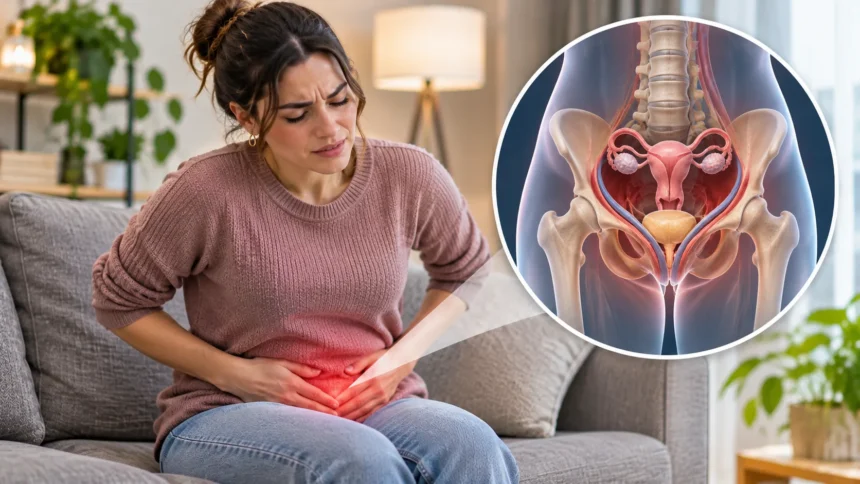
Pelvic pain can feel confusing because discomfort in the lower abdomen, hips, groin, or lower back may come from several different body structures. Some people experience mild pressure, while others notice sharp pain, cramping, or persistent aching. The location and intensity can change depending on the underlying cause. Understanding pelvic anatomy helps explain why these symptoms sometimes overlap.
If you are wondering where is pelvic pain located, it generally occurs in the lower abdomen and pelvic region, between the belly button and the upper thighs. However, discomfort may also extend toward the groin, buttocks, or lower back. Pelvic pain can involve muscles, nerves, joints, reproductive organs, the bladder, or digestive structures. Identifying the exact source often requires medical evaluation.
Pelvic pain can affect people of different ages and anatomies, and its causes range from temporary conditions to more serious medical problems. Understanding where discomfort occurs may help you describe symptoms more accurately. This guide explains the anatomy of the pelvis, common pain locations, possible causes, and important warning signs. It also discusses when professional assessment is necessary.
Where Is Pelvic Pain Located in the Body?
Pelvic pain is generally felt in the lower part of the torso, below the abdomen and around the structures supported by the pelvic bones. It may occur in the center, on either side, or across a wider area. Some people experience pain deep inside the pelvis. Others notice discomfort closer to the surface or surrounding muscles.
The pelvic region contains parts of the urinary, digestive, reproductive, muscular, and skeletal systems. Because these structures occupy a relatively small space, symptoms can be difficult to distinguish by location alone. Pain from one organ may also be felt in nearby tissues. This explains why pelvic discomfort does not always identify a single obvious cause.
Healthcare professionals often ask patients to describe whether the pain occurs above the pubic bone, near the groin, or toward the back of the pelvis. They may also ask whether it spreads into the thighs or lower abdomen. These details provide useful diagnostic clues. However, additional symptoms and medical history are equally important for identifying the underlying problem.
Understanding the Basic Anatomy of the Pelvis
The pelvis is a ring-shaped skeletal structure that connects the spine to the lower limbs. It includes two hip bones, the sacrum, and the coccyx. These bones help support body weight and protect important internal organs. Their connections also provide stability during walking, sitting, standing, and other everyday movements.
Inside the pelvic region are organs involved in urination, digestion, and reproduction. The urinary bladder stores urine, while the rectum forms the final section of the large intestine. Reproductive structures vary according to anatomy and may include the uterus, ovaries, prostate, or associated tissues. Problems affecting these organs can sometimes produce overlapping symptoms.
Muscles, ligaments, connective tissues, and nerves also contribute to pelvic function. The pelvic floor supports internal organs and helps coordinate bladder and bowel control. Nearby muscles support posture and movement, while nerves transmit sensory information. Understanding these connected structures helps explain why pelvic pain may involve several body systems rather than one isolated organ.
Where Is Pelvic Pain Felt in the Lower Abdomen?
Lower abdominal pelvic pain is often described as discomfort below the belly button and above the pubic area. It may feel like pressure, cramping, heaviness, or a persistent ache. Some people notice symptoms on both sides, while others experience pain in one specific area. The pattern can provide clues about possible causes.
The lower abdomen contains portions of the intestines, urinary structures, and reproductive organs. Digestive problems such as constipation or intestinal inflammation may cause discomfort in this region. Bladder conditions and certain reproductive health problems can produce similar sensations. Because these organs are close together, symptoms should not be diagnosed using pain location alone.
Pay attention to whether discomfort changes during urination, bowel movements, physical activity, or menstruation when applicable. These patterns may help healthcare professionals identify which systems require further investigation. Persistent or worsening lower abdominal pain deserves medical attention. Sudden severe symptoms should be assessed urgently, especially when accompanied by fever, vomiting, or faintness.
What Causes Pain in the Center of the Pelvis?
Central pelvic pain usually occurs near the lower middle abdomen, around or just above the pubic bone. The discomfort may feel like pressure, aching, or occasional cramping. Some conditions produce symptoms that worsen when the bladder fills. Others become more noticeable during movement, bowel activity, or certain daily activities.
The bladder is one possible source of central pelvic discomfort. Urinary tract infections can cause lower abdominal pain alongside burning urination, increased frequency, or urgency. Bladder pain syndrome may produce ongoing discomfort associated with urinary symptoms. However, these conditions require evaluation because similar symptoms can have different explanations.
Central pain may also involve pelvic floor muscles, the pubic symphysis joint, or nearby reproductive and digestive structures. Muscle tension can sometimes create a feeling of pressure or aching without obvious external injury. A physical examination and medical history help distinguish these possibilities. Treatment should focus on the actual cause rather than the location alone.
Where Is Pelvic Pain on the Left Side?
Left-sided pelvic pain occurs in the lower-left abdomen or around the left side of the pelvic region. It may feel sharp, dull, intermittent, or persistent depending on the underlying problem. Some people experience discomfort that extends toward the groin or lower back. The location provides useful information but does not confirm a diagnosis.
Digestive conditions can contribute to left-sided discomfort because part of the large intestine travels through this region. Constipation, trapped intestinal gas, and inflammatory conditions may produce localized symptoms. In people with ovaries, ovarian conditions can also cause one-sided pelvic pain. Muscle strain and urinary problems are additional possibilities that healthcare professionals may consider.
Sudden severe one-sided pain requires particular attention, especially when accompanied by nausea, vomiting, dizziness, or unusual bleeding. Certain ovarian emergencies and pregnancy-related complications can cause serious symptoms. These conditions may require urgent medical assessment. Persistent left-sided discomfort also deserves evaluation when it interferes with normal activities or repeatedly returns.
Where Is Pelvic Pain on the Right Side?
Right-sided pelvic pain is felt in the lower-right abdomen or nearby pelvic structures. It can develop gradually or appear suddenly, depending on the cause. Some people notice pain during walking or movement, while others experience discomfort even at rest. Associated symptoms may help distinguish digestive, urinary, reproductive, and muscular conditions.
Appendicitis is one important condition associated with right-sided lower abdominal pain. Symptoms may begin near the belly button before moving toward the lower-right abdomen, although patterns vary. Nausea, reduced appetite, fever, and worsening tenderness can also occur. Suspected appendicitis requires urgent medical evaluation because delaying treatment can lead to serious complications.
Other possible causes include ovarian cysts, urinary problems, intestinal conditions, and muscular injuries. In people who could be pregnant, one-sided pelvic pain can also signal an ectopic pregnancy. Severe or worsening symptoms should never be ignored. A healthcare professional can evaluate the complete symptom pattern and determine whether imaging or additional testing is needed.
Can Pelvic Pain Be Felt in the Groin?
Groin pain occurs near the area where the lower abdomen meets the upper thigh. Discomfort here may originate from pelvic structures, hip joints, muscles, or surrounding nerves. Some people experience pulling sensations, while others notice sharp or aching pain. The symptoms may increase during walking, lifting, or changing positions.
Muscle strains involving the hip flexors or inner thigh muscles can cause groin discomfort. Hip joint problems may also produce pain that feels deep within the groin. Hernias are another possible cause, particularly when swelling or a noticeable bulge develops. However, these conditions require different treatment approaches and should not be assumed to be interchangeable.
Groin pain accompanied by severe swelling, fever, vomiting, or sudden intense discomfort may require urgent assessment. A painful bulge that cannot be pushed back or is associated with illness can indicate a serious hernia complication. Persistent discomfort also deserves medical evaluation. Identifying the exact structure involved is important for choosing suitable treatment.
Why Does Pelvic Pain Spread to the Lower Back?
Pelvic pain can sometimes extend into the lower back because muscles, joints, and nerves connect these regions. Discomfort may originate within the pelvis and be felt elsewhere, or back problems may create referred pain toward the pelvic area. This overlap can make symptoms difficult to interpret. A careful assessment considers both regions.
Muscle tension, sacroiliac joint problems, and certain spinal conditions can contribute to pain around the lower back and pelvis. Some reproductive and urinary conditions may also produce discomfort in both areas. Symptoms can change with posture, movement, or other bodily functions. Understanding these patterns helps clinicians identify possible sources of pain.
Back pain accompanied by fever, urinary symptoms, or significant pelvic discomfort may indicate a condition requiring prompt care. Kidney infections, for example, can cause back or side pain alongside other symptoms. New weakness, numbness around the groin, or loss of bladder or bowel control requires emergency assessment. These warning signs should not be managed through routine home care.
Understanding Pelvic Floor Muscle Pain
The pelvic floor is a group of muscles and connective tissues located at the bottom of the pelvis. These muscles support internal organs and contribute to bladder, bowel, and sexual function. When they become overly tense, poorly coordinated, or otherwise dysfunctional, discomfort may develop. Symptoms can occur around the pelvis, perineum, lower abdomen, or nearby areas.
Pelvic floor muscle pain may feel like pressure, aching, tightness, or discomfort during sitting and everyday activities. Some individuals also experience urinary urgency, bowel difficulties, or pain related to certain movements. However, symptoms vary widely and overlap with other medical conditions. Muscle-related pain should be diagnosed through appropriate assessment rather than assumptions.
Treatment may involve pelvic floor physical therapy, relaxation strategies, and individualized movement guidance. Not everyone with pelvic pain benefits from strengthening exercises, especially when excessive muscle tension contributes to symptoms. A qualified clinician can evaluate muscle function and recommend suitable care. An accurate diagnosis helps avoid exercises that might aggravate existing discomfort.
Pelvic Pain Related to the Bladder
The urinary bladder sits within the pelvis behind the pubic bone. Conditions affecting the bladder can cause discomfort in the lower central abdomen or surrounding pelvic region. Some people describe pressure, aching, or a persistent need to urinate. Others experience pain that changes as the bladder fills or empties.
Urinary tract infections are a common cause of bladder-related discomfort. Symptoms may include burning during urination, frequent urination, and increased urgency. Bladder pain syndrome is another condition associated with persistent pelvic discomfort and urinary symptoms. However, these problems require different evaluation and management approaches, making professional diagnosis important.
Blood in the urine, fever, worsening pain, or difficulty passing urine should not be ignored. Certain symptoms may indicate infection, urinary obstruction, or another condition requiring prompt treatment. Healthcare professionals may use urine testing and other investigations when appropriate. Treatment depends on the underlying cause rather than the presence of pelvic pain alone.
Pelvic Pain From Digestive System Problems
Digestive organs occupy part of the lower abdomen and can contribute to discomfort that feels like pelvic pain. Constipation, intestinal gas, and certain bowel disorders may produce cramping or pressure. Some people notice symptoms after eating or during bowel movements. These patterns can help distinguish digestive discomfort from other causes.
Irritable bowel syndrome can cause recurring abdominal pain associated with changes in bowel habits. Symptoms may include constipation, diarrhea, bloating, or discomfort that changes after bowel movements. Other digestive conditions can produce similar complaints. A healthcare professional may investigate persistent symptoms to identify the cause and recommend appropriate management.
Severe abdominal pain, persistent vomiting, blood in the stool, or significant unexplained changes in bowel habits require medical attention. Sudden worsening symptoms may indicate a more serious digestive condition. Avoid assuming that all pelvic discomfort is caused by ordinary gas or constipation. Prompt evaluation helps identify problems that require specific treatment.
Pelvic Pain Related to Reproductive Organs
Reproductive organs are another possible source of pelvic discomfort, although the structures involved depend on individual anatomy. In people with a uterus and ovaries, menstrual cramps, ovarian cysts, and endometriosis can contribute to symptoms. Pain may occur centrally or on either side. Some conditions also cause discomfort extending toward the lower back.
Endometriosis occurs when tissue similar to the uterine lining grows outside the uterus and contributes to inflammation and pain. Symptoms may include painful periods, persistent pelvic discomfort, and bowel or bladder symptoms. However, symptom severity does not always reflect the extent of disease. A healthcare professional can evaluate suspected endometriosis and discuss appropriate management options.
In people with a prostate, prostatitis and chronic pelvic pain syndrome may cause discomfort around the pelvis, perineum, or lower abdomen. Urinary symptoms can occur alongside the pain. Other reproductive or urinary conditions may create similar complaints. Understanding individual anatomy helps guide assessment without assuming that pelvic pain has one universal cause.
What Is Chronic Pelvic Pain?
Chronic pelvic pain generally refers to pain in the pelvic region that persists or repeatedly returns over an extended period. Definitions vary by condition and clinical guideline, but a duration of several months is commonly considered significant. The discomfort may be constant or intermittent. Some individuals experience symptoms affecting daily activities, sleep, and movement.
Several conditions can contribute to chronic pelvic pain, including endometriosis, bladder pain syndrome, pelvic floor dysfunction, and certain nerve-related problems. Sometimes, multiple causes occur together. In other cases, no single explanation fully accounts for the symptoms. This complexity makes comprehensive assessment important rather than focusing exclusively on one organ.
Management often involves an individualized approach that considers physical symptoms, functional limitations, and overall well-being. Treatment may include medical care, physical therapy, or other evidence-based strategies depending on the diagnosis. Persistent pain is a valid reason to seek professional support even when previous tests appear normal. A coordinated approach can help improve daily functioning and quality of life.
How Doctors Diagnose the Location and Cause of Pelvic Pain
Diagnosing pelvic pain begins with understanding exactly where discomfort occurs and how it behaves. A healthcare professional may ask about the onset, duration, severity, and associated symptoms. They may also explore whether pain changes during urination, bowel movements, physical activity, or menstruation. This information helps identify which body systems require further assessment.
A physical examination may include evaluating the abdomen, hips, back, and relevant pelvic structures. Depending on symptoms and medical history, clinicians may recommend urine tests, blood tests, pregnancy testing, or imaging. Ultrasound is commonly used for certain pelvic conditions, while other imaging methods may be appropriate. Not every patient requires the same investigations.
Sometimes, diagnosing pelvic pain takes more than one appointment because symptoms overlap across different conditions. Keeping a symptom diary can help document pain location, triggers, and associated changes. This information supports communication during medical consultations. Accurate diagnosis allows treatment to focus on the likely source while avoiding unnecessary or unsuitable interventions.
When Should You Worry About Pelvic Pain?
Mild pelvic discomfort may sometimes resolve without specific treatment, but certain symptoms require immediate attention. Sudden severe pain, fainting, significant dizziness, or heavy bleeding may indicate a serious medical condition. Severe one-sided pelvic pain can also be concerning. These symptoms should be assessed urgently rather than managed with home remedies.
Possible pregnancy combined with pelvic pain, bleeding, shoulder-tip pain, or faintness requires emergency assessment because of the risk of ectopic pregnancy. Fever, persistent vomiting, or rapidly worsening abdominal pain are additional warning signs. Severe pain with an inability to urinate also needs prompt medical attention. Early evaluation can reduce the risk of serious complications.
Persistent pelvic pain should be discussed with a healthcare professional even when emergency warning signs are absent. Repeated discomfort, unexplained urinary symptoms, or pain interfering with everyday activities deserves assessment. Avoid relying solely on the location of discomfort to determine its seriousness. A clinical evaluation can identify treatable conditions and guide appropriate next steps.
How to Manage Mild Pelvic Discomfort Safely
Managing mild pelvic discomfort depends on the suspected cause and whether concerning symptoms are present. Temporary rest and adjusting activities that worsen pain may help some individuals. Gentle movement can also be appropriate when discomfort is related to certain muscular conditions. However, persistent or unexplained pelvic pain should not be treated indefinitely without medical assessment.
A warm compress may provide temporary comfort for some types of cramping or muscle tension. Avoid excessive heat and protect the skin from direct exposure. Appropriate pain-relieving medication may also help in selected situations, but suitability depends on age, medical history, and possible pregnancy. Consult a healthcare professional or pharmacist before using medication when uncertain.
Keeping track of pain patterns can help identify activities or circumstances associated with discomfort. Record where pain occurs, how long it lasts, and whether additional symptoms develop. Avoid intense exercises or aggressive stretching when the cause remains unclear. If symptoms worsen or warning signs appear, seek medical care rather than continuing self-treatment.
Conclusion
Understanding where is pelvic pain located begins with recognizing that the pelvis contains several closely connected body structures. Discomfort may occur below the belly button, around the pubic bone, on either side of the pelvis, or near the groin. Pain can also extend toward the lower back or thighs. Its location provides clues but does not confirm the underlying cause.
Possible causes include muscle tension, urinary conditions, digestive problems, reproductive health conditions, and joint-related issues. Some symptoms are temporary, while others require ongoing assessment and treatment. Paying attention to the timing, intensity, and associated symptoms can help healthcare professionals make informed decisions. An individualized diagnosis is essential for choosing appropriate care.
Seek urgent medical attention for sudden severe pain, fainting, heavy bleeding, or other concerning symptoms. Persistent discomfort also deserves evaluation when it affects daily life or repeatedly returns. Understanding pelvic anatomy can make it easier to describe symptoms and recognize possible warning signs. With proper assessment, many causes of pelvic pain can be identified and managed effectively.
Frequently Asked Questions
Where Exactly Is Pelvic Pain Located?
Pelvic pain is usually felt in the lower abdomen, below the belly button and around the pelvic bones. It may occur centrally, on either side, or extend toward the groin, hips, and lower back.
Is Pelvic Pain the Same as Lower Abdominal Pain?
Not always. Pelvic pain often overlaps with lower abdominal pain, but it may originate from reproductive organs, urinary structures, digestive organs, muscles, joints, or nerves located within or near the pelvis.
Can Pelvic Pain Be Felt in the Lower Back?
Yes, pelvic pain can extend into the lower back or originate from nearby spinal and muscular structures. Urinary, reproductive, and joint-related conditions may also produce discomfort in both regions.
What Are the Most Common Causes of Pelvic Pain?
Common causes include urinary tract infections, digestive problems, menstrual cramps, pelvic floor dysfunction, and certain joint conditions. The likely cause depends on individual anatomy, associated symptoms, and medical history.
When Is Pelvic Pain Considered Serious?
Pelvic pain requires urgent assessment when it is sudden and severe or occurs with fainting, heavy bleeding, fever, or persistent vomiting. Possible pregnancy with significant pelvic pain also needs immediate medical attention.
