

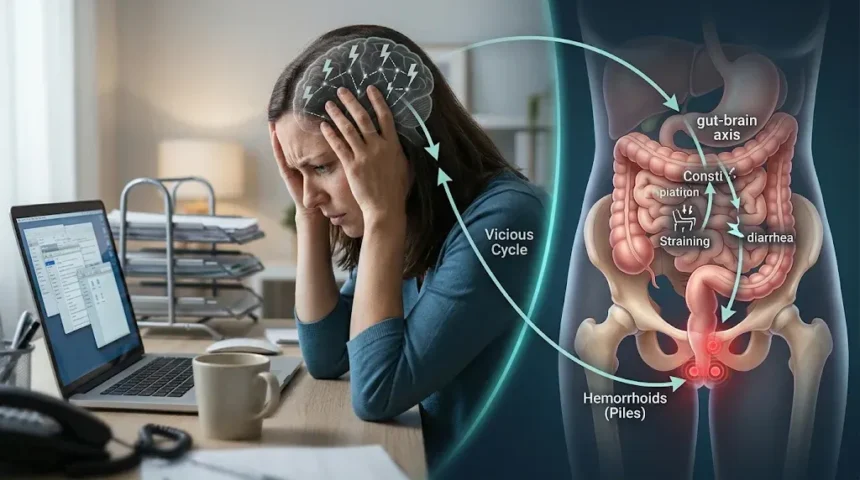
Stress can affect your body in many ways, from changing your sleep patterns to disrupting your digestive system. However, some people also notice uncomfortable symptoms around the rectal area during stressful periods. This raises an important question: Can stress cause hemorrhoids, or is the connection more complicated than it seems?
The evidence does not establish psychological stress as a direct cause of hemorrhoids. However, stress can influence bowel habits, physical activity, and daily routines that may contribute to hemorrhoid symptoms. Understanding this relationship can help you recognize possible triggers, manage discomfort, and know when medical attention is necessary.
Can Stress Cause Hemorrhoids? What Research Suggests
Stress is not considered a proven direct cause of hemorrhoids, but it may contribute indirectly through changes in digestive function and everyday behavior. Hemorrhoids develop when vascular cushions in the anal canal become enlarged or symptomatic. Common contributing factors include straining during bowel movements, constipation, and increased pressure around the anal region. Psychological stress alone has not been established as a cause of these changes.
Research supports a connection between psychological stress and changes in gastrointestinal function. Stress can affect communication between the brain and digestive system, sometimes contributing to constipation, diarrhea, or irregular bowel movements. These digestive changes may aggravate existing hemorrhoids or encourage behaviors associated with their development. However, evidence specifically connecting stress to new hemorrhoid formation remains limited.
It is important to distinguish between a possible indirect relationship and a confirmed medical cause. Experiencing hemorrhoid symptoms during a stressful week does not prove that stress caused the condition. Other factors, including bowel habits, pregnancy, and prolonged straining, may play a role. Understanding these differences helps prevent misleading assumptions about the relationship between emotional health and hemorrhoids.
How Stress Affects Your Digestive System
The digestive system communicates continuously with the brain through a complex network commonly called the gut-brain axis. During stressful situations, this communication can change how the digestive tract moves and processes food. Some individuals experience slower bowel movements, while others notice increased intestinal activity. These responses vary depending on individual physiology, existing digestive conditions, and the circumstances involved.
Stress can also influence digestive sensitivity and the way people perceive abdominal discomfort. For example, individuals with irritable bowel syndrome may notice changes in abdominal pain or bowel habits during stressful periods. However, not everyone experiences digestive changes when feeling anxious. Stress-related symptoms should not automatically be attributed to a single condition without considering other possible explanations.
When digestive habits become irregular, people may experience constipation, diarrhea, or difficulty maintaining comfortable bowel movements. These changes can affect the anal area, particularly when repeated wiping or straining occurs. Over time, uncomfortable bathroom habits may contribute to hemorrhoid irritation. Managing digestive health can therefore be useful even though reducing stress does not directly treat enlarged hemorrhoidal tissue.
Why Constipation and Straining Increase Hemorrhoid Risk
Constipation is an important factor in understanding how hemorrhoid symptoms can develop or worsen. Hard stools may require additional effort to pass, creating increased pressure around the rectum and anal canal. Repeated straining can contribute to enlargement or irritation of hemorrhoidal tissue. This is why maintaining comfortable bowel movements is often recommended for hemorrhoid prevention and management.
Stress may contribute to constipation in some people by disrupting routines, influencing digestive movement, or changing eating habits. Individuals experiencing demanding schedules may also ignore the natural urge to have a bowel movement. Delaying bathroom visits can allow stool to become harder and more difficult to pass. These changes may increase the likelihood of uncomfortable straining.
However, constipation does not always result from psychological stress, and many people develop hemorrhoids without experiencing constipation. Medications, dietary patterns, medical conditions, and other factors can also affect bowel movements. If constipation becomes frequent or persistent, its underlying cause deserves attention. Treating bowel difficulties can help reduce unnecessary pressure and improve comfort during bathroom visits.
Can Stress-Related Diarrhea Make Hemorrhoids Worse?
Diarrhea is another digestive problem that some people experience during stressful situations. Frequent bowel movements can lead to repeated irritation around the anal opening, especially when wiping becomes excessive. Existing hemorrhoids may become more uncomfortable under these circumstances. However, experiencing occasional diarrhea does not necessarily mean that hemorrhoids will develop.
Loose stools may cause burning, soreness, or discomfort that resembles symptoms of hemorrhoids. Repeated cleaning with rough toilet paper can also irritate sensitive skin around the anus. These symptoms are not always caused by swollen hemorrhoidal tissue. Skin irritation, anal fissures, and other digestive conditions can produce similar complaints, making accurate diagnosis important.
If diarrhea occurs during stressful periods, focus on maintaining appropriate hydration and identifying possible digestive triggers. Gentle cleaning with water or soft, unscented toilet paper may reduce additional irritation. Avoid aggressive wiping or using strongly fragranced products around sensitive skin. Persistent diarrhea, especially when accompanied by bleeding, fever, or dehydration, should be assessed by a healthcare professional.
Everyday Stress Habits That May Aggravate Hemorrhoids
Stress can influence daily routines in ways that may increase hemorrhoid discomfort. Busy schedules sometimes lead to irregular meals, reduced physical activity, and fewer opportunities to use the bathroom comfortably. These habits can affect bowel regularity and contribute to constipation in some individuals. The indirect effects of stress may therefore matter more than the emotional experience itself.
Dietary changes are another common concern during demanding periods. Some people eat fewer fiber-rich foods when relying on convenient meals or snacks. Others may drink less water than usual or spend long periods sitting without movement breaks. These habits can contribute to harder stools or uncomfortable bowel patterns, although their effects differ between individuals.
Spending excessive time on the toilet can also increase pressure around hemorrhoidal tissue. This may happen when someone scrolls through a phone, reads, or waits unnecessarily for a bowel movement. Prolonged toilet sitting is different from ordinary sitting during work or school. Avoiding unnecessary time on the toilet can help reduce pressure without requiring major lifestyle changes.
Understanding Hemorrhoids and Their Symptoms
Hemorrhoids are normal vascular cushions located inside and around the anal canal that help support continence. The term commonly refers to these tissues when they become enlarged, irritated, or symptomatic. Internal hemorrhoids develop inside the rectum, while external hemorrhoids occur beneath the skin around the anus. Their location influences the symptoms a person may experience.
Internal hemorrhoids may cause painless, bright red bleeding during bowel movements. Some can also protrude through the anal opening, creating a feeling of pressure or irritation. External hemorrhoids may cause itching, tenderness, or swelling around the anus. However, the severity of symptoms varies considerably, and some hemorrhoids cause little or no discomfort.
Not every episode of rectal discomfort or bleeding is caused by hemorrhoids. Anal fissures, inflammatory bowel conditions, infections, and other medical problems can produce similar symptoms. Because rectal bleeding sometimes indicates a more serious condition, it should not automatically be dismissed as hemorrhoids. A healthcare professional can determine whether further examination or testing is needed.
Other Common Causes and Risk Factors for Hemorrhoids
Although many people search for a connection between stress and hemorrhoids, several established risk factors deserve greater attention. Repeated straining, chronic constipation, and prolonged toilet sitting can contribute to symptoms. Chronic diarrhea may also aggravate the anal area. These factors influence bowel function and pressure around hemorrhoidal tissue more directly than psychological stress itself.
Pregnancy is another common situation associated with hemorrhoids because of hormonal changes and increased pressure within the pelvis. Symptoms may also develop around childbirth. Age-related changes in supporting tissues can contribute to hemorrhoid problems over time. However, hemorrhoids can affect adults of different ages, and no single risk factor explains every case.
Lifestyle and medical factors can sometimes overlap, making it difficult to identify one specific cause. For example, someone may experience constipation because of medication use, reduced activity, or an underlying digestive disorder. Addressing the actual contributing factors is more useful than blaming stress alone. A careful medical history can help identify patterns that may be relevant to treatment.
How to Relieve Hemorrhoid Symptoms Safely
Mild hemorrhoid symptoms often improve with conservative care focused on comfortable bowel movements and reduced irritation. Eating enough dietary fiber can help soften stool and make it easier to pass. Fruits, vegetables, whole grains, and legumes are common fiber sources. Increasing fiber gradually may help limit bloating or gas while supporting more regular bowel habits.
Warm sitz baths may temporarily soothe discomfort around the anal area. Soaking the affected region in comfortably warm water for a short period can provide relief for some people. Gentle hygiene is also important, especially after bowel movements. Avoid harsh soaps, excessive rubbing, or fragranced products that may worsen skin irritation rather than improve symptoms.
Some over-the-counter hemorrhoid products provide temporary relief from itching or discomfort. However, these treatments do not address every possible cause of rectal symptoms and should be used according to their instructions. Products containing hydrocortisone generally should not be used for prolonged periods without medical guidance. Severe pain, persistent bleeding, or symptoms that do not improve require professional evaluation.
Does Reducing Stress Help Hemorrhoids?
Reducing stress may support healthier digestive habits, but it is not a proven standalone treatment for hemorrhoids. Stress management may help individuals whose constipation or diarrhea becomes worse during emotionally demanding periods. Improving sleep routines, maintaining regular meals, and allowing enough time for comfortable bathroom visits can support digestive well-being. These changes may indirectly reduce certain symptom triggers.
Gentle physical activity can also be helpful for general health and bowel regularity. Walking, comfortable stretching, and other suitable activities may support digestion while providing opportunities to manage daily stress. However, exercise should not be considered a guaranteed hemorrhoid treatment. People experiencing significant pain may need to modify activities until their symptoms have been assessed.
Relaxation techniques, mindfulness, and breathing exercises may help some individuals manage psychological tension. Their main benefit in this context is improving stress management rather than directly shrinking hemorrhoidal tissue. Combining supportive routines with appropriate medical care is more realistic than relying on relaxation alone. Persistent symptoms should still be evaluated even when stress levels improve.
How to Prevent Hemorrhoid Flare-Ups
Prevention begins with developing comfortable and consistent bowel habits. Try to respond to the natural urge to use the bathroom rather than repeatedly postponing bowel movements. Avoid forcing stool out or holding your breath while straining. Spending only the necessary amount of time on the toilet can also reduce unnecessary pressure around the anal region.
A balanced diet containing appropriate amounts of fiber can help support regular bowel movements. Drinking enough fluids is important, particularly when increasing fiber intake or experiencing changes in bowel habits. Individual fluid needs vary based on activity, climate, and health conditions. Making gradual, sustainable dietary improvements is often more practical than adopting extreme changes.
Maintaining regular movement and addressing recurring constipation or diarrhea can also help reduce common triggers. People who experience frequent digestive symptoms should discuss them with a healthcare professional rather than treating every episode as stress-related. Not all hemorrhoids are preventable, even with good habits. However, reducing avoidable straining and irritation may lower the likelihood of repeated discomfort.
When Should You See a Doctor for Hemorrhoid Symptoms?
Medical evaluation is important when rectal bleeding occurs, even if hemorrhoids seem like the most likely explanation. A clinician can assess whether the bleeding comes from hemorrhoidal tissue or another condition. Symptoms such as persistent itching, swelling, or discomfort also deserve attention when they do not improve. Early assessment can prevent unnecessary delays in identifying an underlying problem.
Seek urgent medical attention for heavy or persistent bleeding, faintness, severe rectal pain, or black, tarry stools. Severe pain accompanied by fever or significant swelling also requires prompt assessment. These symptoms may indicate conditions that need treatment beyond ordinary hemorrhoid care. Avoid assuming that emotional stress explains serious or rapidly worsening symptoms.
A healthcare professional may recommend treatment based on the type and severity of the hemorrhoids. Options can include dietary changes, appropriate medication, office procedures, or surgery in selected cases. Treatment decisions depend on examination findings, overall health, and the person’s symptoms. Professional guidance is especially useful when problems recur despite reasonable home care measures.
Conclusion
Can stress cause hemorrhoids? Current evidence does not establish psychological stress as a direct cause, but stress may influence habits that contribute to hemorrhoid discomfort. Constipation, diarrhea, straining, and disrupted routines can create conditions that aggravate symptoms. Understanding this indirect relationship helps explain why some people notice more discomfort during stressful periods without proving that stress caused their hemorrhoids.
Maintaining regular bowel habits, eating enough fiber, staying hydrated, and avoiding unnecessary straining may help reduce hemorrhoid flare-ups. Stress management can support general well-being and healthier routines, although it should not replace medical treatment. Gentle hygiene and appropriate symptom relief can also improve comfort. The most useful approach focuses on actual contributing factors rather than relying on one explanation.
Finally, remember that rectal bleeding and persistent discomfort are not always caused by hemorrhoids. If symptoms continue, become severe, or involve unusual changes, professional medical evaluation is important. Recognizing warning signs and addressing digestive problems early can help prevent avoidable complications. A balanced approach to bowel health, stress, and appropriate care offers the best foundation for long-term comfort.
Frequently Asked Questions
Can anxiety and stress directly cause hemorrhoids?
No clear evidence establishes anxiety or psychological stress as a direct cause of hemorrhoids. However, stress-related changes in bowel habits, including constipation or diarrhea, may contribute to irritation or aggravate existing symptoms.
Can stress make existing hemorrhoids worse?
Stress may indirectly worsen hemorrhoid discomfort by contributing to constipation, frequent bowel movements, or disrupted daily habits. The effect varies between individuals, and stress itself has not been proven to directly enlarge hemorrhoidal tissue.
How do you know if hemorrhoids are caused by stress?
You cannot determine that hemorrhoids are caused by stress based on timing alone. A healthcare professional can evaluate symptoms and possible contributing factors, including straining, constipation, diarrhea, and other medical conditions.
Does relaxing help hemorrhoids go away?
Relaxation may support digestion and healthier bowel habits, particularly when stress contributes to constipation or diarrhea. However, relaxation alone is not an established hemorrhoid treatment, and persistent symptoms may require medical care.
What is the fastest way to relieve hemorrhoid discomfort?
Gentle cleaning, warm sitz baths, avoiding straining, and appropriate short-term symptom relief may help. The best approach depends on symptom severity and cause. Seek medical care for significant bleeding or severe pain.
