

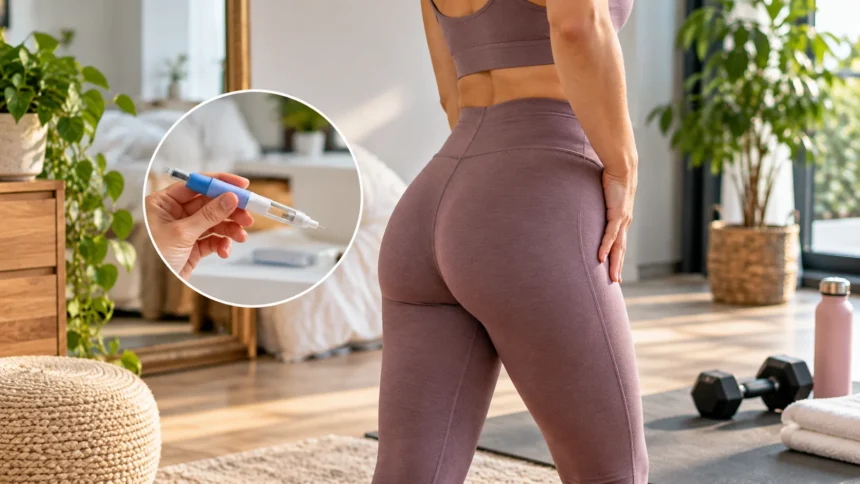
What Is Ozempic Butt?
“Ozempic butt” is an informal term people use to describe changes in the appearance of the buttocks after significant weight loss while taking Ozempic. The butt may look flatter, smaller, softer, or looser than before. It is not a recognized medical diagnosis, and similar body-shape changes can happen with weight loss from many different causes.
Ozempic contains semaglutide, a prescription medication used for certain people with type 2 diabetes. Because semaglutide can reduce appetite and contribute to weight loss in some people, body fat may decrease in multiple areas. The buttocks are one place where loss of fat and overall body volume can become especially noticeable.
The change does not mean the medication is specifically targeting fat in the butt. Genetics, starting body composition, age, muscle mass, skin elasticity, and the amount and speed of weight loss all influence appearance. Understanding these factors can help you approach the change realistically rather than assuming something has gone wrong.
Why Can the Butt Look Different After Weight Loss?
The buttocks get their shape from a combination of gluteal muscles, body fat, skin, and connective tissue. When someone loses a meaningful amount of weight, some of the fat that previously added fullness may disappear. If the underlying muscle mass is limited, the butt can appear noticeably flatter or less rounded as overall body size decreases.
Skin may also take time to adjust after weight loss. When body volume decreases faster than the skin adapts, some people notice loose, soft, or slightly sagging tissue. How much tightening occurs afterward depends on factors such as age, genetics, previous weight changes, sun exposure, and the amount of weight that was lost.
These changes are not unique to the buttocks. Similar volume loss can occur in the face, breasts, thighs, arms, and abdomen after substantial weight reduction. The areas where changes appear most noticeable vary from person to person because everyone stores and loses body fat differently.
Is Ozempic Butt Caused by Fat Loss or Muscle Loss?
Fat loss is usually an important part of the visible change, but muscle loss can also contribute. During weight reduction, the body does not always lose fat alone. Some lean body mass may also decrease, particularly when calorie intake becomes very low or when a person is not performing resistance exercise.
The gluteus maximus, gluteus medius, and gluteus minimus create much of the muscular structure of the buttocks. If these muscles become smaller while surrounding fat is also decreasing, the butt may appear flatter than expected. Maintaining or building glute strength can therefore be useful for supporting shape and physical function during weight loss.
Muscle preservation depends on several factors, including adequate nutrition, protein intake, resistance training, overall health, and how quickly weight is being lost. People taking prescription weight-loss or diabetes medications should discuss major dietary or exercise changes with an appropriate healthcare professional, particularly if they are losing weight rapidly or struggling to eat enough.
Can Rapid Weight Loss Make Changes More Noticeable?
Faster weight loss can make body-composition changes appear more dramatic because fat and overall volume may decrease before the skin has much time to adapt. A person may suddenly notice looser clothing, reduced curves, or less fullness in areas such as the buttocks. That visual difference can feel significant even when the weight loss itself is medically appropriate.
Rapid loss can also make maintaining muscle more challenging if food intake becomes very limited. When calorie and protein intake fall too low, the body may lose more lean tissue along with fat. This is one reason preserving nutrition and strength training can be important during a medically supervised weight-loss plan.
Do not intentionally change your medication dose or stop treatment solely because your appearance has changed. If weight loss feels unusually fast, you are experiencing weakness, or eating enough has become difficult, contact the clinician managing your medication. They can evaluate whether your current treatment, nutrition, and rate of weight loss remain appropriate.
How Strength Training May Help Maintain Glute Shape
Resistance training is one of the most practical ways to support glute muscle during weight loss. Exercises such as squats, hip thrusts, bridges, step-ups, lunges, and Romanian deadlifts can challenge the muscles around the hips and buttocks. Building or preserving muscle may create a firmer appearance even when some body fat has been lost.
You do not need to perform a complicated bodybuilding routine to benefit. Two or more appropriately structured strength sessions each week can help many adults maintain muscle, depending on health status and experience. Begin with manageable resistance and focus on controlled technique before adding heavier loads or additional sets.
Progression matters because muscles need an increasing challenge to become stronger. That might mean gradually increasing resistance, repetitions, range of motion, or exercise difficulty over time. If you are new to strength training, have joint problems, or have recently lost a large amount of weight, professional guidance can help you exercise more safely.
Why Protein and Nutrition Matter
Adequate protein provides amino acids that the body uses to maintain and repair muscle tissue. When calorie intake decreases, getting enough protein becomes particularly important because there may be less total food available. Foods such as eggs, dairy, fish, poultry, beans, lentils, tofu, and other protein-rich choices can contribute to daily intake.
A balanced diet should also provide carbohydrates, healthy fats, vitamins, minerals, and enough overall energy to support daily function. Extremely restrictive eating may make it difficult to exercise, recover, or maintain muscle. People using appetite-reducing medication sometimes need to pay closer attention to food quality because hunger signals may be significantly reduced.
Individual nutrition needs vary based on body size, health conditions, activity levels, kidney function, and treatment goals. A registered dietitian or qualified healthcare professional can provide individualized guidance when needed. This is especially important if you experience persistent nausea, difficulty eating, dehydration, weakness, or ongoing unintended weight loss.
Can Loose Skin Improve Over Time?
Skin elasticity varies considerably from person to person. After weight loss, some loose skin may gradually become less noticeable as the body adapts to its new size. However, there is no guarantee that skin will fully tighten, particularly after substantial weight loss or when the skin has been stretched for many years.
Age and genetics play major roles in how well skin responds. Smoking, sun exposure, previous weight fluctuations, and the amount of lost body volume can also affect appearance. Creams may improve hydration and texture, but topical products generally cannot replace large amounts of lost volume or significantly tighten substantial loose skin.
Maintaining a stable weight, eating a balanced diet, exercising, and avoiding smoking can support overall skin health. If loose skin becomes a major concern, a dermatologist or plastic surgeon can explain available cosmetic or surgical options. Those decisions are personal and should be based on realistic expectations rather than pressure to achieve a particular body shape.
How to Minimize Ozempic Butt Changes Safely
The most practical approach is to focus on preserving muscle rather than trying to prevent all fat loss from one specific area. You cannot reliably choose where your body loses fat. Genetics largely determine fat distribution, so targeted exercises can strengthen the glutes but cannot force the body to keep fat specifically around the buttocks.
Combine resistance training with adequate nutrition, hydration, sleep, and appropriate recovery. Avoid crash dieting or deliberately eating extremely little in an attempt to make medication-induced weight loss happen faster. A slower, sustainable approach may be easier on your energy levels, muscle mass, and overall ability to maintain healthy habits.
Regular check-ins with your healthcare professional are also important. Discuss your weight-loss rate, appetite, energy, gastrointestinal symptoms, and any concerns about muscle loss or physical weakness. Your clinician can help determine whether your medication plan remains appropriate without making decisions based solely on cosmetic changes.
What Not to Do About Ozempic Butt
Do not abruptly stop or change prescription medication without speaking with the clinician who prescribed it. Ozempic may be part of a treatment plan for blood sugar management, and changing treatment without guidance could affect your health. Cosmetic concerns should be discussed openly, but they should be considered alongside the medical reasons for taking the medication.
Avoid relying on unproven supplements, creams, or products that promise to restore butt volume quickly. No topical product can selectively rebuild lost glute muscle or replace significant fat loss. Be cautious with online claims that guarantee dramatic body reshaping without exercise, nutrition, medical treatment, or cosmetic procedures.
You should also avoid overtraining the glutes in an attempt to reverse changes immediately. Muscles need recovery in order to adapt and grow. A progressive program that includes rest days, adequate protein, and good technique is generally more productive than performing intense lower-body workouts every day while your body is already adjusting to weight loss.
When Should You Talk to a Healthcare Professional?
Contact your healthcare professional if you are losing weight much faster than expected or if you feel unusually weak, dizzy, dehydrated, or unable to eat enough. Persistent vomiting, severe abdominal symptoms, or other significant medication side effects also deserve medical attention. Cosmetic changes alone are usually less urgent than symptoms affecting your health or daily function.
Noticeable reductions in strength can also be worth discussing. Difficulty climbing stairs, standing from a chair, carrying normal household items, or completing activities that were previously easy may suggest that more than appearance is changing. A clinician may recommend evaluating nutrition, exercise habits, medication effects, or other possible causes of weakness.
It can also help to discuss body-image concerns if the physical changes are causing significant distress. Major weight loss can change how you see and experience your body, even when the health outcomes are positive. Support from a qualified clinician, dietitian, trainer, or mental health professional may help you adjust while maintaining realistic and healthy goals.
Can You Rebuild Glute Muscle After Weight Loss?
Yes, many people can strengthen and build their glute muscles after losing weight. Muscle growth requires regular resistance training, adequate protein, sufficient recovery, and time. Exercises that progressively challenge hip extension and stabilization can improve strength and may gradually create more muscular shape through the buttocks.
Changes will not happen overnight, especially if you are still actively losing weight. Building muscle while losing significant amounts of body fat can be more challenging than building muscle when weight is stable. However, maintaining consistent strength training during weight loss can still help preserve more lean tissue than remaining completely inactive.
Once your weight becomes more stable, you may find it easier to focus specifically on strength and muscle development. Track performance improvements rather than judging progress only by appearance. Being able to lift more, perform exercises with better control, or complete daily activities more comfortably are meaningful signs that your muscles are becoming stronger.
Conclusion
“Ozempic butt” is an informal phrase used to describe a flatter, smaller, or looser-looking butt after weight loss associated with semaglutide treatment. The medication does not specifically target the buttocks. Changes usually reflect overall fat loss, possible muscle loss, skin elasticity, genetics, and the amount or speed of weight reduction.
You may be able to minimize some changes by prioritizing resistance training, adequate protein, balanced nutrition, recovery, and medically appropriate weight-loss goals. Glute-focused exercise can strengthen the muscles beneath the skin and fat, although it cannot control exactly where your body loses fat. Consistency matters more than extreme workouts or quick fixes.
If weight loss becomes unusually rapid, you develop weakness, or medication side effects make it difficult to eat and stay hydrated, speak with your healthcare professional. Do not change your prescription on your own. The best approach balances appearance concerns with muscle health, nutrition, physical function, and the medical goals of your treatment.
FAQs
Does Ozempic specifically cause fat loss in the butt?
No. Ozempic does not selectively target buttock fat. When overall body weight decreases, fat may be lost from the buttocks along with the abdomen, face, thighs, and other areas.
Can exercise get rid of Ozempic butt?
Exercise cannot restore lost fat, but resistance training can strengthen and build the glute muscles. Squats, hip thrusts, lunges, bridges, and similar exercises may help improve strength and shape over time.
Will loose skin after Ozempic tighten naturally?
Some skin may become less noticeable over time, but results vary depending on age, genetics, weight-loss amount, and skin elasticity. Significant loose skin may not fully tighten without cosmetic treatment.
How can I prevent muscle loss while taking Ozempic?
Regular resistance training, adequate protein, balanced nutrition, and appropriate calorie intake can support muscle preservation. Speak with a healthcare professional if rapid weight loss, poor appetite, or weakness becomes a concern.
Should I stop Ozempic if my butt looks flatter?
Do not stop or change prescription medication without discussing it with your prescriber. A flatter appearance is usually related to overall weight loss, while your treatment decision should consider your broader medical needs.
