

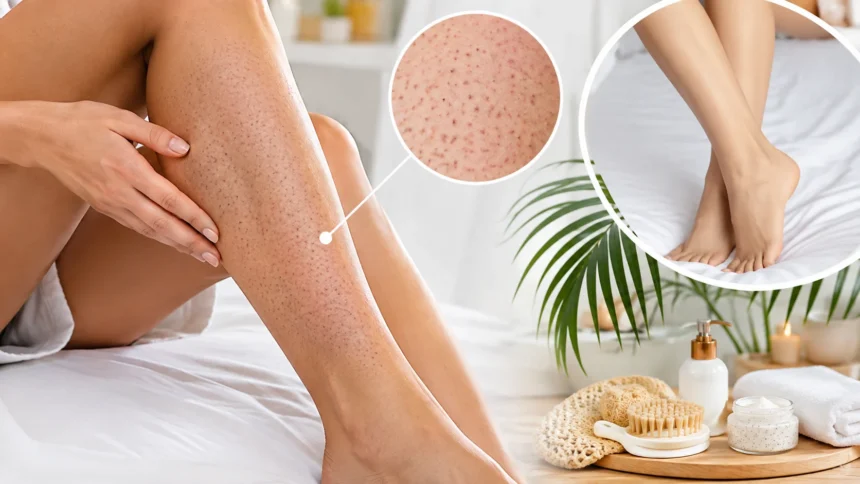
Strawberry Legs: Why Dark Dots Appear and How to Get Smoother-Looking Skin
Strawberry legs is a common term used to describe small dark dots, visible pores, or tiny bumps that appear across the legs. The pattern can resemble the seeds on the surface of a strawberry, which is where the nickname comes from. These dots often become more noticeable after shaving, especially when hair follicles remain visible beneath the skin. Strawberry legs are usually cosmetic rather than dangerous, but they can make the skin look rough or uneven. Understanding the underlying cause is the first step toward choosing a treatment that actually helps.
Several different skin conditions can create the appearance commonly called strawberry legs. Clogged hair follicles, ingrown hairs, keratosis pilaris, folliculitis, dry skin, and shaving irritation are among the most frequent causes. In some people, more than one issue is present at the same time. This is why using one random scrub or shaving product does not always fix the problem. Effective treatment depends on whether the dots are primarily caused by trapped keratin, inflammation, visible hair follicles, or irritation.
The good news is that many cases can improve with a consistent skincare routine. Gentle exfoliation, regular moisturization, better shaving technique, and products containing ingredients such as salicylic acid, lactic acid, glycolic acid, or urea may gradually smooth the skin. However, aggressive scrubbing and frequent shaving can sometimes make strawberry legs look worse by increasing irritation. The goal is to unclog follicles and support the skin barrier without creating additional inflammation.
It is also important to have realistic expectations. Some people naturally have more visible hair follicles or thicker, darker hair, which can make dots remain noticeable even when the skin is healthy. Hair removal methods such as laser hair reduction may help certain people when shaving-related follicle visibility is the main concern. Even then, results vary according to hair color, skin tone, hormones, and the type of treatment used. Smoother skin usually develops gradually rather than overnight.
This guide explains what strawberry legs are, what causes them, and how to improve their appearance with practical skincare and hair-removal strategies. It also covers the difference between strawberry legs, keratosis pilaris, and folliculitis, because these conditions are often confused. If your legs are painful, intensely itchy, infected, or not improving despite consistent care, professional evaluation may be worthwhile. Most importantly, treatment should make your skin calmer and healthier rather than forcing it through constant irritation.
What Are Strawberry Legs?
Strawberry legs are not a formal medical diagnosis. The term describes the appearance of dark or reddish dots around hair follicles on the legs, sometimes accompanied by rough texture or small bumps. These spots may become more obvious after shaving because hair is cut at the skin surface while the follicle remains visible underneath. Oil, dead skin cells, and keratin can also collect around follicular openings. Together, these factors create the speckled appearance many people describe as strawberry skin.
The dots may look black, brown, red, or slightly purple depending on skin tone and the underlying cause. On lighter skin, irritation may create obvious red spots, while darker skin may show more noticeable brown or grayish pigmentation around the follicles. Some people have smooth skin with visible dots but no raised bumps. Others experience roughness, itching, or inflamed follicles at the same time. These differences can provide clues about what is causing the problem.
Visible follicles alone do not necessarily mean something is wrong. Hair grows through tiny openings in the skin, and these follicles can naturally be more noticeable in people with coarse or dark hair. Shaving cuts the hair close to the skin, which can make the remaining portion visible through the follicle. This is similar to the shadow that can appear after facial shaving. In these cases, skincare may improve texture while the darker follicular appearance remains partly related to the hair itself.
When dead skin cells build up around follicles, the openings can look larger or darker. Keratin can also form small plugs that create rough bumps, especially in people with keratosis pilaris. If shaving introduces irritation, the surrounding skin may become inflamed and produce additional redness or pigmentation. Repeated inflammation can make the dots more persistent. This explains why some people notice strawberry legs becoming worse during periods of frequent shaving.
The most useful way to think about strawberry legs is as a visual sign rather than one specific condition. Once you determine whether clogged follicles, shaving, keratosis pilaris, folliculitis, or ingrown hairs are the main contributors, treatment becomes easier to personalize. A routine focused on gentle exfoliation and moisturization helps many people, while others need to adjust hair removal methods. The objective is not to erase every visible pore but to reduce roughness, inflammation, and uneven color.
What Causes Strawberry Legs?
One of the most common causes is shaving. When a razor cuts hair at the surface, the remaining hair inside the follicle may appear as a dark dot, particularly when the hair is coarse or naturally dark. Shaving can also irritate the skin and create tiny injuries around hair follicles. A dull blade, dry shaving, excessive pressure, or repeatedly passing over the same area can make this inflammation more noticeable. The combination of visible hair and irritated follicles often creates a classic strawberry-leg appearance.
Clogged pores and follicles can also contribute. Dead skin cells, natural oils, keratin, and product residue may accumulate around follicular openings. These plugs can make pores appear darker or more prominent, especially when they oxidize at the surface. Regular but gentle exfoliation can help remove some of this buildup. However, using rough scrubs every day can damage the skin barrier and create more inflammation, making the problem look worse rather than better.
Keratosis pilaris is another frequent cause of small dots and bumps on the legs. This common condition develops when keratin builds up around hair follicles, producing rough, sandpaper-like bumps. It often appears on the thighs, upper arms, buttocks, or cheeks and may be more noticeable during dry weather. Keratosis pilaris is harmless but can be persistent. Products containing lactic acid, salicylic acid, or urea can help soften and smooth the plugs over time.
Folliculitis may also produce a strawberry-like appearance. Folliculitis occurs when hair follicles become inflamed, sometimes because of friction, shaving, bacteria, sweat, or occlusive clothing. The bumps may look red, tender, itchy, or occasionally contain pus. Unlike simple visible pores, folliculitis can become uncomfortable and may require more targeted treatment. Recurrent, painful, or widespread folliculitis is a good reason to speak with a dermatologist.
Ingrown hairs are another common contributor, especially after shaving, waxing, or epilating. An ingrown hair develops when a cut or removed hair grows back into the skin instead of outward. This can create a red or dark bump and sometimes lead to post-inflammatory hyperpigmentation after the inflammation settles. People with curly or coarse hair may be particularly prone to ingrown hairs. Changing shaving technique and reducing inflammation can help lower the frequency of these bumps.
Strawberry Legs vs Keratosis Pilaris: What Is the Difference?
Strawberry legs and keratosis pilaris are often discussed as though they are the same condition, but they are not exactly identical. Strawberry legs is a descriptive term for visible follicular dots on the legs, while keratosis pilaris is a specific skin condition involving excess keratin around hair follicles. Keratosis pilaris can create the appearance of strawberry legs, but shaving, ingrown hairs, and folliculitis can produce a similar look without keratosis pilaris being present.
Keratosis pilaris usually feels rough to the touch. The bumps are often small, firm, and closely spaced, giving the skin a texture sometimes compared with goosebumps or sandpaper. They may be skin-colored, red, or darker than the surrounding skin. The condition commonly affects the outer thighs and upper arms and tends to become more noticeable when the skin is dry. It is also often associated with a personal or family tendency toward dry or sensitive skin.
Strawberry legs caused mainly by shaving may look somewhat different. The skin may remain relatively smooth while dark dots are visible where hair follicles contain short hair. These dots often become most obvious immediately after shaving or when the hair begins growing back. There may also be razor burn, tiny cuts, or redness if the skin was irritated during hair removal. Improving shaving technique may therefore help more than aggressive exfoliation in these cases.
Someone can also have both conditions at once. A person with keratosis pilaris may shave their legs and develop additional irritation, making the follicular dots more prominent. In that situation, treatment needs to address both keratin buildup and shaving-related inflammation. Gentle chemical exfoliation, moisturizing, and careful hair removal can work together. Trying to scrub away every bump usually leads to more redness and sensitivity.
If you are unsure which problem you have, focus on the texture and timing. Persistent rough bumps that remain even when you stop shaving suggest keratosis pilaris may be involved. Dots that become much more noticeable immediately after shaving may be related more strongly to visible hair or irritation. Painful, itchy, or pus-filled bumps point more toward folliculitis. A dermatologist can help identify the cause when the appearance is unclear or treatment is not working.
How to Get Rid of Strawberry Legs With Gentle Exfoliation
Exfoliation can be one of the most effective ways to reduce strawberry legs when dead skin and clogged follicles are involved. The goal is to loosen excess keratin and remove surface buildup so follicular openings appear smoother. Chemical exfoliants are often more predictable than harsh physical scrubs because they dissolve bonds between dead skin cells rather than relying on friction. Ingredients such as salicylic acid, lactic acid, and glycolic acid are frequently used for this purpose.
Salicylic acid is a beta hydroxy acid that can penetrate oily material inside follicles, making it especially useful when clogged pores or ingrown hairs contribute to the problem. Body lotions or washes containing salicylic acid can help keep follicles clearer with regular use. Start a few times per week rather than using several salicylic-acid products at once. Overuse can cause dryness, irritation, and peeling, which may make dark spots more visible.
Lactic acid is an alpha hydroxy acid that exfoliates the surface while also helping the skin feel more hydrated. This makes it a useful option for people who have rough, dry strawberry legs or keratosis pilaris. Glycolic acid works similarly but may feel stronger for sensitive skin because of its smaller molecular size. Both ingredients can improve rough texture gradually when used consistently. Higher concentrations are not automatically necessary for better results.
Physical exfoliation can still have a place when performed gently. A soft washcloth or mild body exfoliant used occasionally may help remove loose surface cells. The problem begins when people use rough brushes, coarse scrubs, or aggressive rubbing because they want immediate smoothness. Excess friction can inflame hair follicles and increase post-inflammatory dark marks. If your legs feel sore or sting afterward, the exfoliation was probably too aggressive.
Avoid combining several strong exfoliating methods on the same day. For example, shaving, using a rough scrub, applying glycolic acid, and then adding a retinoid can overwhelm the skin barrier. A simple routine works better: exfoliate on selected days, moisturize consistently, and give your skin time to respond. Results usually develop over several weeks rather than after one treatment. Healthy skin should gradually feel smoother without becoming persistently red or uncomfortable.
Why Moisturizing Is Essential for Strawberry Legs
Moisturizing may seem less important than exfoliation, but it is often one of the most effective parts of a strawberry-leg routine. Dry skin makes follicular plugs more noticeable and can increase irritation from shaving or exfoliating products. When the skin barrier lacks enough moisture and lipids, the surface becomes rough and uneven. A consistent body moisturizer helps soften this texture and reduces the tendency to compensate with aggressive scrubbing.
Look for ingredients that hydrate while also supporting the skin barrier. Glycerin attracts water into the outer layers of the skin, while ceramides help reinforce the protective lipid barrier. Petrolatum, dimethicone, and other occlusive ingredients can reduce moisture loss. These ingredients are especially useful if your legs become dry after hot showers, shaving, or winter weather. A fragrance-free formula may be preferable for sensitive or easily irritated skin.
Urea is another useful ingredient for strawberry legs, particularly when rough keratin buildup is present. At lower to moderate concentrations, urea acts as a moisturizer while also helping soften hardened skin cells. This makes it valuable for keratosis pilaris and rough follicular texture. Urea products can sometimes sting irritated or freshly shaved skin, so apply them cautiously until you know how your skin responds.
Lactic acid body lotions combine moisturization with gentle exfoliation and can be particularly effective for rough bumps. However, these products may sting if used immediately after shaving or on damaged skin. You may prefer applying a plain moisturizer after shaving and saving exfoliating lotions for non-shaving days. Separating potentially irritating steps can make your routine easier to tolerate.
The best time to moisturize is often shortly after bathing while the skin is still slightly damp. This helps trap water in the outer skin layers and reduce dryness. Consistency matters much more than applying a very thick layer occasionally. A simple moisturizer used every day can gradually improve texture and make other strawberry-leg treatments work more comfortably. If your routine leaves your legs tight, flaky, or itchy, add more barrier support before adding stronger exfoliation.
How to Shave Your Legs Without Making Strawberry Legs Worse
Improving shaving technique can make a significant difference when strawberry legs are most noticeable after hair removal. Start by softening the hair and skin with warm water rather than shaving dry. A shower or bath can hydrate the hair shaft and make it easier to cut. Avoid extremely hot water because it can strip natural oils from the skin and increase dryness. Gentle preparation reduces the amount of force needed from the razor.
Always use a shaving cream, gel, or other lubricating product rather than dragging a razor over bare skin. Lubrication helps the blade glide across the surface and reduces friction around follicles. Choose a fragrance-free formula if your skin becomes irritated easily. Allow the shaving product to sit briefly before starting so the hair has time to soften. This simple step can reduce razor burn and microscopic cuts.
Use a clean, sharp razor. Dull blades require repeated passes and can tug at hair instead of cutting it cleanly. This increases irritation and may contribute to ingrown hairs. Rinse the blade between strokes so hair and shaving product do not clog it. Replace disposable blades regularly rather than continuing to use one until it becomes visibly damaged.
Shaving in the direction of hair growth can reduce the likelihood of ingrown hairs and irritation, although the result may not feel quite as close. People who are highly prone to ingrown hairs often benefit from prioritizing skin health over the closest possible shave. Use light pressure and avoid passing over the same area repeatedly. Pressing harder does not remove hair more effectively and can damage the skin surface.
After shaving, rinse the legs gently and apply a simple moisturizer rather than immediately using strong acids or fragranced products. Give the skin time to settle before introducing exfoliating ingredients. If shaving consistently causes inflammation despite good technique, consider spacing sessions farther apart or exploring another hair-removal method. The smoothest shave is not useful if it repeatedly leaves the follicles inflamed.
How to Prevent Ingrown Hairs and Dark Follicle Marks
Ingrown hairs are a frequent reason strawberry legs remain noticeable even when the skin is otherwise healthy. After shaving or waxing, a new hair can curl back toward the skin or become trapped beneath dead skin cells. The body may respond with inflammation, producing a red or dark bump. Repeated episodes can leave post-inflammatory hyperpigmentation that remains visible long after the hair is released.
Gentle exfoliation between hair-removal sessions can help prevent dead skin from blocking the follicular opening. Salicylic acid can be particularly useful because it works within oily follicles, while lactic or glycolic acid helps remove surface buildup. Avoid applying strong exfoliants immediately after shaving when the skin is more vulnerable. Giving your legs a day or two to recover may reduce stinging and irritation.
Do not dig into the skin with needles, tweezers, or fingernails to remove deeply trapped hairs. Picking can damage the follicle, introduce bacteria, and create darker marks or scars. If the tip of a hair is already visible at the surface, gentle care may allow it to emerge naturally. Persistent, painful ingrown hairs can be treated more safely by a dermatologist.
Reducing the closeness of hair removal can also help. Shaving against the grain or stretching the skin while shaving may cut hair so short that it more easily becomes trapped during regrowth. Electric trimmers leave a small amount of hair above the surface and may produce fewer ingrown hairs in some people. The tradeoff is that the legs may not feel completely smooth.
Laser hair reduction can be helpful for people with recurrent ingrown hairs because it reduces the amount and thickness of regrowing hair over multiple sessions. Suitability depends on skin tone, hair color, treatment device, and the experience of the provider. Modern laser systems can treat a wider range of skin tones when appropriately selected. A qualified professional can determine whether the method is suitable for you.
Can Salicylic Acid Help Strawberry Legs?
Salicylic acid is one of the most popular ingredients for strawberry legs because it is oil-soluble and can penetrate into follicles. This makes it useful when the dark-dot appearance involves clogged pores, dead skin, or ingrown hairs. It also has anti-inflammatory properties that may help reduce mild redness around follicles. Salicylic acid is available in body washes, lotions, sprays, and leave-on treatments.
A leave-on body lotion generally provides longer contact with the skin than a cleanser, which may make it more effective for persistent rough texture. However, body washes can be easier for beginners or people with sensitive skin because much of the product is rinsed away. There is no need to use both immediately. Start with one salicylic-acid product and evaluate your skin over several weeks.
Frequency depends on concentration and skin tolerance. Using a salicylic-acid body product two or three times per week may be enough initially. If your skin remains comfortable, you can gradually increase use according to product directions. Daily application is not mandatory for everyone. More frequent use should only be considered when the skin is not becoming dry, red, or irritated.
Salicylic acid is not equally effective for every cause of strawberry legs. It may improve follicular congestion but cannot completely eliminate the dark appearance caused by coarse hair beneath the skin. It also may not be sufficient for bacterial folliculitis or persistent keratosis pilaris by itself. Combining appropriate exfoliation with moisturization and better hair-removal habits often produces better results.
Stop or reduce use if the skin develops persistent burning, flaking, tenderness, or significant redness. People using prescription topical treatments or managing chronic skin conditions may want professional guidance before combining multiple active ingredients. Salicylic acid is useful, but the goal is gradual improvement rather than forcing the skin to peel. Comfortable, consistent use usually produces better long-term results.
Can Lactic Acid or Glycolic Acid Get Rid of Strawberry Legs?
Lactic acid and glycolic acid are alpha hydroxy acids, often shortened to AHAs. They primarily exfoliate the outer surface of the skin by loosening connections between dead skin cells. This can make rough legs feel smoother and help reduce the buildup that makes follicles more visible. Both ingredients are commonly used for keratosis pilaris, uneven texture, and post-inflammatory pigmentation.
Lactic acid tends to be a popular choice for dry or sensitive skin because it can provide exfoliation while supporting hydration. A lactic-acid body lotion may gradually soften rough bumps and reduce dullness when used consistently. Beginners can start with a lower-strength formula several nights per week. If the skin remains comfortable, frequency can be increased according to product directions.
Glycolic acid generally penetrates efficiently and can be useful for stubborn roughness and uneven pigmentation. However, it may feel more irritating on sensitive or recently shaved skin. Tingling that is mild and brief can occur with some formulas, but burning or persistent redness is a sign to stop. Strong glycolic-acid treatments are not necessary for most home routines.
AHAs can also make the skin more sensitive to sunlight, which matters when the legs are exposed outdoors. Apply broad-spectrum sunscreen to exposed areas, particularly when wearing shorts, skirts, or swimwear. Sun protection also helps prevent post-inflammatory marks from becoming darker. Treating pigmentation without protecting the skin from ultraviolet exposure can significantly slow improvement.
Do not use lactic acid, glycolic acid, and salicylic acid at full strength all at once simply because they target different layers of the skin. Alternating products or choosing one primary exfoliant is usually enough. Over-exfoliation can create redness and inflammation that makes strawberry legs more obvious. A routine that your skin tolerates consistently is more effective than a complicated one you continually need to stop.
Can Retinol Help Strawberry Legs?
Topical retinoids and cosmetic retinol products can help regulate skin-cell turnover and may improve rough follicular texture over time. This makes them potentially useful when keratin buildup or persistent clogged follicles contribute to strawberry legs. Retinoids are widely used for acne and keratosis-related concerns because they influence how skin cells mature and shed. However, they can also cause dryness and irritation when introduced too quickly.
Body retinol products are generally formulated differently from prescription facial retinoids and may be easier to use over larger areas. Start with a low-strength product a few nights per week and monitor your skin carefully. Apply moisturizer afterward if dryness develops. Avoid using retinol on freshly shaved, broken, sunburned, or irritated skin because sensitivity may be stronger.
Combining retinol with strong AHAs or BHAs on the same night can be too irritating for some people. Alternating nights is often a simpler strategy. For example, you might use an exfoliating body lotion one evening and retinol on another, with plain moisturizer on rest days. Your skin does not need an active ingredient every single night to improve.
Retinoids can take several weeks or months to noticeably change texture. Early dryness does not mean stronger or more frequent application will speed the process. In fact, irritation can lead to inflammation and darker marks that make the legs look worse temporarily. Slow, consistent use is more sustainable.
Pregnant people or those trying to become pregnant should discuss retinoid use with a healthcare professional because topical retinoids are generally avoided during pregnancy. If you already use a prescription retinoid for another condition, ask your clinician before applying additional retinoid products over large body areas. There are plenty of non-retinoid options for strawberry legs when retinol is not appropriate.
Does Laser Hair Removal Get Rid of Strawberry Legs?
Laser hair reduction can be helpful when visible hair follicles, shaving irritation, or recurrent ingrown hairs are major causes of strawberry legs. The treatment uses targeted light energy to damage hair follicles and reduce future hair growth. As the amount and thickness of hair decrease, the dark-dot appearance may become less noticeable. Fewer shaving sessions can also mean less recurring irritation.
Laser treatment usually requires multiple sessions because hair follicles grow in cycles. Only a portion of hairs are in the ideal treatment phase at any one time. Maintenance sessions may also be needed depending on hormones and individual hair growth. The process should therefore be viewed as long-term hair reduction rather than an instant permanent removal method.
Results depend partly on hair and skin characteristics. Traditional laser systems worked most efficiently when there was a strong contrast between dark hair and lighter skin, but modern devices can be used more safely across a broader range of skin tones when the correct wavelength and settings are chosen. Very light blond, gray, white, or red hair may respond less effectively because there is less pigment for the laser to target.
Choosing an experienced provider is particularly important for darker skin tones because inappropriate laser settings can increase the risk of burns or pigment changes. Ask which device is being used and whether the provider regularly treats people with your skin tone. Professional evaluation is also helpful if you have active folliculitis or unexplained skin lesions before beginning treatment.
Laser hair reduction will not necessarily fix strawberry legs caused primarily by keratosis pilaris or dry skin. You may still need moisturizing and gentle exfoliation even after hair growth decreases. However, for people whose main problem comes from shaving and ingrown hairs, reducing the need for frequent shaving can make a substantial difference. Treatment works best when matched to the actual cause of the follicular dots.
A Simple Skincare Routine for Strawberry Legs
A simple morning routine begins with gentle cleansing during your shower. You do not necessarily need a strong body wash every day, particularly if your skin is dry. Choose a fragrance-free or mild cleanser and avoid scrubbing the legs aggressively. After bathing, pat the skin rather than rubbing it vigorously with a towel. Apply moisturizer while the skin remains slightly damp.
If your legs are exposed to sunlight, apply broad-spectrum sunscreen after moisturizing. This is especially important when you use AHAs, retinoids, or other exfoliating treatments. Sun protection also helps prevent dark marks around irritated follicles from becoming more noticeable. Reapply sunscreen when appropriate during prolonged outdoor exposure.
In the evening, use your chosen active ingredient on selected nights. This might be a salicylic-acid lotion, lactic-acid moisturizer, glycolic-acid product, or retinol body treatment. There is no need to use all of them together. Start with one product so you can judge whether it actually improves your skin.
On nights when you do not use an active treatment, apply a plain moisturizer. These recovery nights help maintain the skin barrier and reduce the risk of over-exfoliation. If your legs start becoming increasingly sensitive, remove active treatments temporarily and moisturize until the skin feels normal again. Skincare should not require pushing through ongoing irritation.
On shaving days, keep the routine particularly gentle. Soften the hair with warm water, use shaving gel, shave with a sharp blade, rinse, and apply a plain moisturizer. Avoid immediately layering strong acids or retinol over freshly shaved skin. Separating shaving and exfoliation gives the skin time to recover and can make your routine considerably more comfortable.
How Long Does It Take to Get Rid of Strawberry Legs?
Strawberry legs rarely disappear after one shower or exfoliation session. When dry skin and surface buildup are the main problems, you may notice smoother texture within a few weeks of consistent moisturizing and gentle exfoliation. Darker follicular marks often take longer because pigmentation fades gradually. The exact timeline depends on what is causing the appearance.
Keratosis pilaris usually requires ongoing maintenance. Products containing lactic acid, salicylic acid, urea, or other keratolytic ingredients may improve texture over several weeks, but bumps can return when treatment stops. This does not mean the products failed. Keratosis pilaris tends to be a chronic skin tendency rather than something that can always be permanently cured.
Shaving-related strawberry legs may improve relatively quickly after changing technique. Using a sharper razor, shaving less closely, applying proper lubrication, and moisturizing afterward may reduce new irritation within several hair-removal cycles. Existing dark marks can remain longer even after new bumps stop forming. Preventing repeated inflammation is therefore an important part of fading old spots.
Ingrown hairs can also take time to settle. Avoiding picking and allowing inflammation to decrease often produces better cosmetic results than repeatedly trying to extract hairs. Chemical exfoliation may gradually reduce recurrence. If you continue developing many painful ingrown hairs despite good technique, changing the hair-removal method may provide greater improvement than adding stronger skincare.
Evaluate your routine after about six to twelve weeks rather than inspecting your legs for daily changes. Take occasional photos in similar lighting if you want to track progress objectively. If there is no improvement after consistent treatment, reconsider the cause rather than simply increasing product strength. A dermatologist may be able to identify folliculitis, keratosis pilaris, eczema, or another issue that requires a different approach.
Mistakes That Can Make Strawberry Legs Worse
One of the biggest mistakes is over-exfoliating. Strawberry legs often look like something that should be scrubbed away, so people may use abrasive gloves, brushes, body scrubs, acids, and retinoids simultaneously. Instead of clearing follicles faster, this can damage the skin barrier and create more inflammation. The resulting redness and pigmentation can make every follicle look darker.
Dry shaving is another common problem. Passing a razor over unprepared skin creates unnecessary friction and can lead to razor burn, tiny cuts, and ingrown hairs. Even if dry shaving appears convenient, the irritation may persist much longer than the few minutes saved. Warm water and shaving gel make the process considerably gentler.
Using a dull or dirty razor can also worsen follicular irritation. Old blades tug at hair and require more passes, while poor razor hygiene can introduce additional bacteria to irritated skin. Clean your razor properly and replace the blade according to its condition and manufacturer’s guidance. Do not share razors with other people.
Picking at bumps and ingrown hairs is another habit that can create persistent marks. Squeezing an inflamed follicle may temporarily make it appear flatter, but it also increases tissue damage. This can lead to scarring, infection, and post-inflammatory hyperpigmentation. If a bump is painful or will not resolve, targeted medical treatment is safer than repeated extraction attempts.
Finally, changing products too frequently makes it impossible to know what is working. A consistent routine needs several weeks before many improvements become visible. Switching acids every few days or adding increasingly strong treatments can create irritation without giving any product enough time to help. Keep the routine simple, make one change at a time, and judge progress gradually.
When Should You See a Dermatologist?
Most strawberry legs can be managed with home skincare, but certain symptoms deserve professional evaluation. Painful, swollen, or pus-filled bumps may indicate significant folliculitis or another infection. If redness is spreading, the area feels hot, or you develop fever, seek medical advice rather than continuing to exfoliate the affected skin. Infection requires a different approach from ordinary clogged follicles.
Persistent itching is another reason to consider evaluation. Keratosis pilaris can occasionally itch, but intense or ongoing itching may point toward eczema, dermatitis, or another inflammatory skin condition. Applying more acids to already irritated skin can worsen these problems. A dermatologist can distinguish between rough follicular skin and conditions that require anti-inflammatory treatment.
You may also want professional advice when dark marks are the primary concern. Post-inflammatory hyperpigmentation can be particularly persistent in medium to deeper skin tones. A dermatologist can recommend ingredients or procedures that target pigmentation while minimizing the risk of making it darker. Treatment should be selected carefully because aggressive procedures can sometimes create additional pigment changes.
Recurrent ingrown hairs are another good reason to seek help. If every shaving or waxing session produces painful bumps, a dermatologist can discuss alternative hair-removal methods and preventive treatments. Laser hair reduction may be appropriate for some people. Professional guidance is especially useful when previous hair-removal procedures have caused scarring.
Finally, make an appointment if you have followed a consistent routine for several months without meaningful improvement. What appears to be ordinary strawberry legs may actually involve persistent folliculitis, keratosis pilaris, eczema, or another skin condition. Getting the diagnosis right can save money and prevent months of unnecessary product experimentation.
Conclusion: Smoother Legs Start With Treating the Cause
Strawberry legs describe visible dark dots, enlarged-looking follicles, or rough bumps on the legs rather than one specific medical condition. Shaving, keratosis pilaris, clogged follicles, ingrown hairs, folliculitis, and dry skin can all contribute. Because several causes can look similar, understanding your own pattern is more useful than buying every product marketed for strawberry skin.
For many people, the best treatment begins with gentle exfoliation and consistent moisturization. Salicylic acid can help clear follicular buildup, while lactic acid, glycolic acid, and urea may soften rough texture. These ingredients should be introduced gradually rather than layered aggressively. Healthy skin generally responds better to consistency than to constant peeling.
Better shaving habits can make an equally important difference. Warm water, shaving gel, a sharp clean razor, light pressure, and moisturization afterward can reduce irritation and ingrown hairs. If shaving continues causing bumps despite good technique, using an electric trimmer or considering professional hair reduction may be worthwhile.
Remember that perfectly invisible pores are not a realistic skincare goal. Hair follicles are part of normal skin anatomy, and some people naturally have more visible follicles than others. Improvement should be measured by smoother texture, fewer inflamed bumps, reduced dark marks, and greater skin comfort rather than expecting completely poreless legs.
With a simple routine and realistic expectations, strawberry legs can often become much less noticeable. Give your skin several weeks to respond, avoid picking or over-exfoliating, and adjust hair removal if necessary. If bumps become painful, infected, persistently itchy, or resistant to home treatment, a dermatologist can help identify the underlying cause and recommend a more targeted approach.
Frequently Asked Questions
Can strawberry legs go away completely?
Strawberry legs can often become significantly less noticeable with exfoliation, moisturization, and better shaving habits. However, naturally visible follicles or keratosis pilaris may require ongoing maintenance.
What is the best exfoliant for strawberry legs?
Salicylic acid is useful for clogged follicles and ingrown hairs, while lactic or glycolic acid can help rough texture and keratin buildup. The best choice depends on your skin type and tolerance.
Does shaving cause strawberry legs?
Shaving can contribute by making dark hair visible inside follicles and causing irritation or ingrown hairs. Proper preparation, lubrication, a sharp blade, and moisturizing afterward can reduce the problem.
Can you use salicylic acid every day for strawberry legs?
Some people can tolerate daily use, but beginners should usually start a few times per week. Reduce frequency if the skin becomes dry, red, tender, or irritated.
Does laser hair removal help strawberry legs?
Laser hair reduction can help when shaving, visible hair follicles, or recurrent ingrown hairs are major contributors. It will not necessarily eliminate strawberry legs caused mainly by dry skin or keratosis pilaris.
