

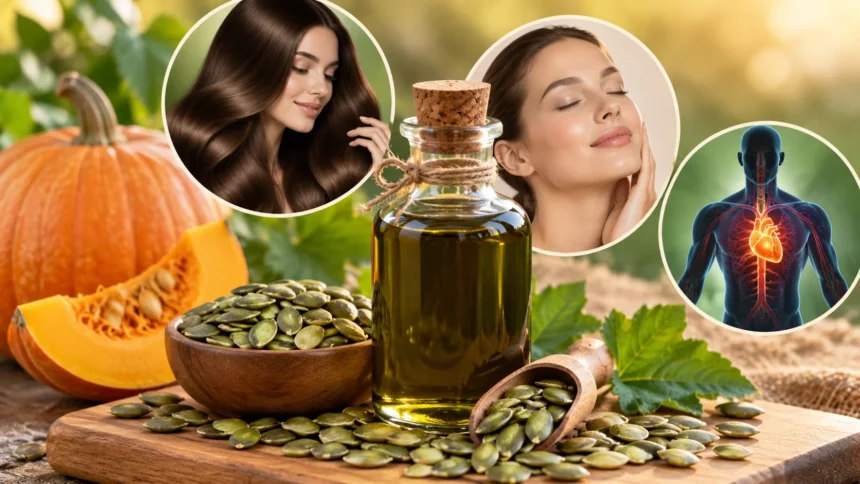
Pumpkin Seed Oil Benefits for Hair, Skin & Health
Pumpkin seed oil has gained attention as both a culinary oil and a wellness ingredient because it contains unsaturated fats, plant sterols, tocopherols, carotenoids, and other naturally occurring compounds. Made from pumpkin seeds, the oil is commonly used in foods, dietary supplements, scalp products, and skin-care formulations. Some people take pumpkin seed oil capsules for hair thinning, urinary health, or general nutrition, while others apply the oil directly to the scalp or skin. Interest has grown especially around its potential role in supporting hair growth and men’s urinary health. However, not every popular claim is backed by equally strong evidence. Understanding where research is promising, limited, or uncertain helps you use pumpkin seed oil more realistically.
Pumpkin seed oil should be viewed as a supportive food or supplement rather than a cure for hair loss, prostate disease, skin disorders, or other medical conditions. Its nutritional profile may contribute to overall health, and a few areas have been studied more directly than others. Hair growth research, for example, has produced interesting findings, but the evidence remains far smaller than it is for established hair-loss treatments. Research on urinary symptoms and prostate health is also encouraging in some settings without proving that the oil can replace medical treatment. Topical use may moisturize dry skin and scalp, but individual reactions differ. This guide explains potential pumpkin seed oil benefits for hair, skin, heart health, urinary function, nutrition, how to use it, possible side effects, and what to consider before choosing a supplement.
What Is Pumpkin Seed Oil?
Pumpkin seed oil is an edible oil extracted from the seeds of pumpkins, usually varieties belonging to the Cucurbita family. Producers may obtain the oil through pressing, roasting followed by pressing, or other extraction methods depending on the desired product. Traditional culinary pumpkin seed oil often has a dark green to reddish-brown appearance and a rich, nutty flavor. Cold-pressed pumpkin seed oil is especially popular in wellness products because consumers often associate minimal processing with preservation of naturally occurring compounds. The exact nutritional composition can still vary depending on seed variety, growing conditions, processing, storage, and refinement. These differences are one reason two pumpkin seed oil products may not have identical taste, color, or nutrient levels.
The oil is composed mainly of fats, particularly polyunsaturated and monounsaturated fatty acids. Linoleic acid, an omega-6 fatty acid, is often one of its major components, along with oleic acid and smaller amounts of saturated fat. Pumpkin seed oil also contains plant sterols known as phytosterols, as well as forms of vitamin E and various antioxidant compounds. These nutrients are among the reasons researchers have explored the oil’s effects on cardiovascular, urinary, reproductive, and skin health. However, the presence of a beneficial nutrient does not automatically prove that the oil treats a specific disease. Health outcomes depend on dose, overall diet, individual biology, and the quality of supporting research.
Pumpkin seed oil is available in several forms, including bottled culinary oil, softgel capsules, scalp oils, shampoos, serums, and cosmetic products. Bottled oil may be used in salad dressings, dips, soups, or other foods where its distinctive flavor works well. Supplements provide a more standardized and convenient amount for people who do not want to consume the oil as food. Hair and skin products may combine pumpkin seed oil with ingredients such as rosemary oil, jojoba oil, argan oil, or botanical extracts. The product form matters because swallowing pumpkin seed oil and applying it to your scalp do not necessarily produce the same effects.
Pumpkin seed oil should not be confused with whole pumpkin seeds or pumpkin seed protein. Whole seeds provide fiber, protein, minerals, and other components that are reduced or absent once the oil is separated. For example, pumpkin seeds are known for containing magnesium, zinc, and plant protein, but oil itself should not automatically be considered a concentrated source of every nutrient found in the whole seed. This distinction matters when people choose pumpkin seed oil specifically because they have heard pumpkin seeds are nutritious. Both can be part of a balanced diet, but they have different nutritional profiles. Choosing one depends on whether you want healthy fats, whole-food nutrition, convenience, or a particular culinary use.
Storage also affects pumpkin seed oil quality. Oils rich in unsaturated fats are sensitive to heat, oxygen, and light, which can gradually cause oxidation and reduce freshness. Bottled oil is therefore often sold in dark containers and should generally be stored according to the manufacturer’s instructions. Refrigeration may be recommended for some products after opening, particularly cold-pressed oils. An unpleasant rancid odor or noticeably changed flavor can indicate deterioration. Proper storage matters not only for taste but also because repeatedly consuming oxidized oils is undesirable. Purchasing quantities you can reasonably use before the expiration period can help preserve quality.
Pumpkin Seed Oil Benefits for Hair Growth and Scalp Health
Pumpkin seed oil is most widely discussed for hair because preliminary research has suggested that oral supplementation may support hair growth in some people with androgenetic alopecia, commonly called pattern hair loss. This type of hair thinning is influenced by genetics and hormones, particularly sensitivity to dihydrotestosterone, or DHT. Researchers have proposed that compounds in pumpkin seed oil may influence pathways associated with androgen activity, although the precise mechanism in humans is not fully established. Some small clinical studies have reported improvements in hair count after months of supplementation. Those findings are encouraging but should be interpreted carefully because relatively few high-quality human trials have examined pumpkin seed oil specifically.
One frequently discussed theory is that pumpkin seed oil may influence the enzyme 5-alpha-reductase, which converts testosterone into DHT. DHT plays an important role in androgenetic hair loss in genetically susceptible individuals by gradually shortening the growth phase of affected hair follicles. Laboratory and ingredient-based evidence has led to interest in pumpkin seed components as potential natural 5-alpha-reductase modulators. However, pumpkin seed oil should not automatically be described as a proven natural equivalent to prescription medications that act on this pathway. Human evidence remains much more limited. Anyone dealing with progressive hair thinning should consider a proper diagnosis because nutritional deficiencies, thyroid disorders, medications, stress, and autoimmune conditions can also cause hair loss.
Topical pumpkin seed oil may help the scalp in a different way by providing emollient fatty acids that reduce dryness and improve the feel of hair and skin. Applying a small amount to the scalp can help soften dry, flaky areas and make hair feel smoother. The oil may also reduce friction along the hair shaft when used carefully, potentially making dry hair easier to manage. These cosmetic effects are different from stimulating new follicles or reversing genetic hair loss. A softer scalp and shinier hair can create the impression of healthier hair without necessarily changing the number of growing follicles. This distinction is important when evaluating before-and-after claims online.
People who want to try pumpkin seed oil for their hair should give realistic consideration to timing. Hair grows slowly, and treatments for pattern hair loss generally require months rather than days to show meaningful change. A person who starts a supplement and sees less shedding within a week cannot confidently attribute that improvement to new hair growth from the oil. Hair shedding naturally fluctuates, and visual density is affected by styling, lighting, hair length, and product use. Taking standardized photographs under similar conditions can help track changes more objectively. If thinning continues rapidly, creates bald patches, or is accompanied by scalp pain, inflammation, or scarring, dermatologic evaluation is more appropriate than relying on supplements alone.
Pumpkin seed oil may be more useful as one part of a broader hair-care strategy than as a standalone answer to every type of hair loss. Adequate protein, iron, essential fatty acids, vitamins, sleep, stress management, and treatment of underlying health problems all influence hair growth. People with confirmed androgenetic alopecia may also discuss evidence-based options such as topical minoxidil or prescription treatments with a healthcare professional. Using pumpkin seed oil alongside appropriate care can be reasonable when it is safe for the individual. The key is separating a promising supportive ingredient from claims that it can reliably regrow severe hair loss in everyone.
Pumpkin Seed Oil Benefits for Skin
Pumpkin seed oil can function as an emollient, meaning it helps soften and smooth the outer surface of the skin. Its fatty acid content can support the lipid layer that reduces excessive water loss from the skin barrier. This makes it potentially useful in moisturizers, facial oils, body oils, and products designed for dry or rough skin. People with normal to dry skin may appreciate the richer feel, particularly during colder or less humid weather. The oil is not necessarily suitable for every complexion, however, because facial oils can feel heavy or contribute to breakouts in some individuals. Patch testing is a simple way to evaluate tolerance before applying it widely.
Vitamin E compounds and other antioxidants naturally present in pumpkin seed oil have also contributed to interest in its skin-care benefits. Antioxidants can help reduce oxidative stress caused by environmental exposure, although topical effectiveness depends on formulation, concentration, stability, and how the product is stored. It would be misleading to claim that applying pumpkin seed oil can erase wrinkles or reverse skin aging. Fine lines are influenced by collagen changes, sun exposure, genetics, smoking, hydration, and many other factors. Pumpkin seed oil may support moisturized, supple-looking skin, which can temporarily make dryness-related lines less noticeable. Daily sun protection remains far more important for preventing premature photoaging.
The oil may also help support the comfort of a dry or irritated skin barrier because its lipids reduce roughness and improve flexibility. However, it should not be presented as a treatment for eczema, psoriasis, dermatitis, or inflammatory skin diseases without professional guidance. People with these conditions can react to botanical oils even when an ingredient is generally considered gentle. Fragrances or essential oils added to cosmetic pumpkin seed products may create additional irritation. Choosing a simple formulation with a short ingredient list can reduce the number of potential triggers. If skin is cracked, infected, intensely inflamed, or persistently itchy, medical evaluation is more appropriate than experimenting with multiple oils.
Acne-related claims deserve particular caution. Pumpkin seed oil contains fatty acids and plant compounds that are sometimes promoted as beneficial for acne-prone skin, but reliable clinical evidence showing that pumpkin seed oil treats acne is limited. Some people may tolerate a small amount well, while others may notice clogged pores or increased breakouts after adding an oil-based product. Acne is influenced by sebum production, follicular plugging, bacteria, inflammation, hormones, and genetics. Established ingredients such as benzoyl peroxide, salicylic acid, retinoids, and certain prescription medications have much stronger evidence for acne management. Pumpkin seed oil can be considered a moisturizing ingredient rather than a substitute for proven acne treatment.
People using pumpkin seed oil on their skin should begin with a small amount because more oil does not necessarily create better hydration. A few drops can be applied to slightly damp skin or layered over a moisturizer if the formulation is suitable. Those with very oily or acne-prone skin may prefer a product that contains a lower concentration rather than pure oil. Stop use if burning, swelling, persistent redness, hives, or worsening breakouts develop. Sunscreen should still be applied during the day because pumpkin seed oil does not provide reliable ultraviolet protection. Thoughtful use makes it easier to enjoy its moisturizing properties without exaggerating what the ingredient can realistically achieve.
Pumpkin Seed Oil and Heart Health
Pumpkin seed oil contains a high proportion of unsaturated fatty acids, which can fit into a heart-supportive eating pattern when they replace foods high in saturated fat. Diets emphasizing unsaturated fats from nuts, seeds, fish, avocados, and plant oils are generally associated with better cardiovascular profiles than diets dominated by saturated and trans fats. Pumpkin seed oil can therefore be used as one of several plant oils within an overall balanced diet. Its benefits should be considered in the context of what it replaces. Adding large amounts of oil to an already calorie-rich diet is different from replacing butter or another saturated-fat source with an unsaturated plant oil.
Phytosterols are another interesting component of pumpkin seed oil. Plant sterols have a structure similar to cholesterol and can reduce intestinal cholesterol absorption when consumed in adequate amounts. This biological effect has led to interest in pumpkin seed products for supporting healthy cholesterol levels. However, the amount of phytosterols provided by an ordinary serving of pumpkin seed oil may vary substantially by product. It should therefore not be assumed that every bottle provides the standardized quantities used in cholesterol-lowering foods or research. People with elevated LDL cholesterol should continue following appropriate dietary and medical guidance rather than replacing prescribed treatment with pumpkin seed oil.
Some research has explored whether pumpkin seed oil affects blood pressure, particularly in certain groups of adults. Small studies have produced potentially favorable findings, but the evidence base is still limited compared with established approaches such as reducing excessive sodium intake, exercising regularly, maintaining a healthy weight, and using prescribed medication when needed. Blood pressure also fluctuates naturally, which makes uncontrolled personal experiments difficult to interpret. Anyone taking antihypertensive medication should be cautious about adding supplements specifically marketed for lowering blood pressure. Monitoring and professional advice can help prevent unexpected blood pressure changes.
The antioxidant compounds found in pumpkin seed oil are sometimes promoted as offering broad cardiovascular protection. Oxidative stress does play a role in cardiovascular biology, but simply consuming an antioxidant-rich oil does not guarantee prevention of heart attacks or strokes. Clinical health outcomes are influenced by smoking, blood pressure, LDL cholesterol, diabetes, physical activity, sleep, family history, and many other factors. Pumpkin seed oil can contribute nutritious unsaturated fats, but it cannot compensate for major uncontrolled cardiovascular risks. Marketing claims should therefore be interpreted within the larger picture of lifestyle and medical care.
Portion size is also relevant because pumpkin seed oil is calorie-dense like every edible oil. One tablespoon can provide a meaningful amount of energy even though the fat profile may be nutritionally useful. People trying to manage weight or total calorie intake do not need to avoid healthy oils, but quantities still matter. Using pumpkin seed oil as a flavorful finishing oil may make moderate portions easier because its nutty taste can be quite strong. It can be drizzled over vegetables, soups, grains, or salads rather than consumed by the spoonful. A balanced approach provides its culinary benefits without treating it as a medicinal dose of heart protection.
Pumpkin Seed Oil for Prostate and Urinary Health
Pumpkin seed oil has a long history of use in supplements marketed for men’s urinary and prostate health. Research has particularly examined symptoms associated with benign prostatic hyperplasia, or BPH, a noncancerous enlargement of the prostate that becomes more common with age. Symptoms can include frequent urination, urgency, nighttime urination, weak urinary stream, and difficulty emptying the bladder completely. Some studies involving pumpkin seed oil or pumpkin seed extracts have reported improvements in urinary symptom scores. These findings make the ingredient interesting, but formulations, doses, and study designs have varied. Pumpkin seed oil should therefore not be assumed to treat every cause of urinary problems.
Researchers have proposed several mechanisms that might explain these findings, including effects related to phytosterols and hormonal pathways within prostate tissue. Some pumpkin seed compounds have also been studied for potential influence on bladder function. However, the biological mechanisms remain incompletely established, and improvements reported in smaller studies do not establish pumpkin seed oil as a replacement for standard BPH medications. Symptoms of an enlarged prostate can overlap with urinary infections, bladder disorders, prostate inflammation, diabetes, and prostate cancer. Men developing new or worsening urinary symptoms should therefore seek evaluation rather than self-diagnosing BPH based on age alone.
Pumpkin seed oil may also be included in products targeting overactive bladder or urinary frequency in women and men. Preliminary research involving pumpkin seed extracts has suggested possible improvement in urinary urgency and frequency in certain participants. Nevertheless, evidence for ordinary pumpkin seed oil products is limited, and different extracts should not automatically be treated as interchangeable. Concentration, processing, and active compounds may differ substantially between a research preparation and a commercial cooking oil. This is an important detail that supplement marketing sometimes overlooks. Consumers should look closely at what was actually studied before assuming a product will produce the same result.
Urinary symptoms that interfere with sleep or daily life deserve proper assessment even when a supplement appears to help. Difficulty starting urination, inability to empty the bladder, blood in urine, painful urination, fever, or complete inability to urinate requires timely medical attention. Sudden urinary retention can become an emergency. Supplements may also delay diagnosis if a person repeatedly treats symptoms without identifying the underlying cause. Pumpkin seed oil can be discussed as a supportive option, but it should not create false reassurance when symptoms are persistent or progressive.
Men already taking medications for BPH, blood pressure, or other chronic conditions should tell their healthcare provider about supplements they use regularly. Although pumpkin seed oil is generally consumed as a food, concentrated supplement use involves larger or more consistent exposures than an occasional culinary serving. Combining several prostate supplements also makes it difficult to know which ingredient is causing a benefit or side effect. A pharmacist or clinician can review the full product label rather than considering pumpkin seed oil alone. This is particularly helpful because commercial prostate formulas often contain multiple botanical ingredients in the same capsule.
Other Potential Pumpkin Seed Oil Health Benefits
Pumpkin seed oil contributes dietary unsaturated fats that are essential components of normal nutrition. Fat helps the body absorb fat-soluble vitamins and provides essential fatty acids needed for cell membranes and signaling processes. Including a variety of plant oils, nuts, seeds, fish, and other nutritious fat sources can support a balanced diet. Pumpkin seed oil offers one flavorful option among these foods rather than being nutritionally necessary for everyone. People who dislike its distinctive taste can obtain similar categories of healthy fats elsewhere. Its value comes from how it fits into an overall dietary pattern, not from one unique nutrient that cannot be obtained from other foods.
The oil has also been studied for antioxidant and anti-inflammatory properties in laboratory and animal research. These findings are biologically interesting because chronic oxidative stress and inflammation contribute to many diseases. However, laboratory effects do not automatically translate into meaningful disease treatment in humans. Concentrations used in experimental models may also differ substantially from amounts people obtain through food or supplements. It is therefore more accurate to say pumpkin seed oil contains compounds with antioxidant activity than to claim it cures inflammation. Human clinical outcomes need to be demonstrated directly before stronger health claims are justified.
Some people use pumpkin seed oil as part of dietary approaches for menopause-related symptoms. Limited research has explored potential effects on symptoms such as hot flashes, headaches, and joint discomfort, as well as certain cardiovascular markers in postmenopausal women. The number and size of these studies remain too limited to make strong treatment recommendations. Menopause symptoms also vary considerably between individuals and can affect sleep, mood, bone health, and quality of life. Evidence-based treatment options range from lifestyle measures to hormonal and nonhormonal medications. Pumpkin seed oil may be incorporated as a food, but it should not be presented as a proven replacement for appropriate menopause care.
Pumpkin seed oil is sometimes promoted for reproductive health because pumpkin seeds contain nutrients associated with fertility and hormone function. However, the nutritional composition of whole pumpkin seeds should not be confused with that of extracted oil. Claims that pumpkin seed oil alone substantially boosts testosterone, improves fertility, or corrects hormone imbalance are not supported by enough high-quality clinical evidence to be stated confidently. Fertility is affected by age, reproductive anatomy, sperm quality, ovulation, underlying diseases, medications, and lifestyle factors. People experiencing fertility problems should seek proper assessment rather than depending primarily on supplements.
Digestive health claims also need perspective. Pumpkin seed oil contains fat but little or none of the fiber that makes whole pumpkin seeds useful for digestive regularity. Consuming too much oil at once may actually produce gastrointestinal discomfort, nausea, or loose stools in some people. A small culinary amount is generally easier to tolerate. Anyone interested in digestive health would usually benefit more from considering overall fiber intake, hydration, physical activity, and diverse plant foods. Pumpkin seed oil can complement this pattern, but it is not equivalent to eating fiber-rich pumpkin seeds.
How to Use Pumpkin Seed Oil for Hair and Skin
For topical hair use, pumpkin seed oil can be applied in small amounts to the scalp or hair lengths. People with dry scalps may massage a few drops gently into the skin and leave it in briefly before shampooing, while others use it primarily on dry ends. Because pure oil can make fine hair look greasy, starting with less is usually better than saturating the scalp. The oil can also be mixed into a carrier blend or used in a ready-made hair product that has been formulated for easier rinsing. Applying more product does not mean more hair growth because cosmetic oil quantity and follicle biology are separate issues.
Patch testing is sensible before applying pumpkin seed oil widely to the scalp. Place a small amount on a limited area and watch for itching, burning, redness, or swelling over the following period. People with a history of seed allergies or highly reactive skin should be particularly cautious. If irritation develops, wash the area and discontinue the product. A painful, crusted, inflamed, or infected scalp should not be treated with random oils before determining the underlying cause. Conditions such as seborrheic dermatitis, psoriasis, fungal infections, and allergic contact dermatitis may require specific treatment.
For skin care, pure pumpkin seed oil can be used sparingly as the final moisturizing layer, especially on dry areas. Applying a few drops over slightly damp skin or over a regular moisturizer can help reduce water loss and provide softness. People with acne-prone skin should introduce the oil slowly and observe whether clogged pores increase. Ready-made facial products containing pumpkin seed oil may be easier to tolerate because formulators can balance it with lighter ingredients. Facial oil should not replace sunscreen during the day. Broad-spectrum sun protection remains essential even when antioxidant-rich botanical oils are part of a skin-care routine.
Some people create homemade pumpkin seed oil masks by combining the oil with other botanical ingredients. Simple formulations are generally safer than mixtures containing many essential oils, fragrances, acids, or unknown extracts. Natural does not automatically mean non-irritating, and homemade products do not have the same stability testing as commercial cosmetics. Mixing oil into products can also change how preservatives and active ingredients behave. It is usually better to layer a small amount separately than to modify an entire jar of moisturizer or shampoo. If a DIY mixture causes stinging or persistent redness, wash it off rather than waiting for the skin to “adjust.”
Consistency matters more than using large amounts, particularly when pumpkin seed oil is being tried for cosmetic benefits. Hair appearance may improve quickly because oil can add shine and reduce dryness, whereas genuine changes in hair density would take much longer. Skin softness can also appear within hours without indicating deeper structural changes. Keeping expectations realistic makes it easier to evaluate whether the product is worth continuing. If the main concern is persistent hair loss, severe acne, eczema, or another medical skin condition, professional diagnosis should take priority over experimenting with increasingly complex botanical routines.
Pumpkin Seed Oil Supplements, Dosage and How to Take Them
Pumpkin seed oil supplements are usually sold as softgel capsules containing measured amounts of oil. Product strengths vary considerably, so there is no single universal capsule count that applies to every brand. Research studies have also used different preparations and daily amounts depending on the condition being investigated. For this reason, it is safer to follow the specific product instructions and discuss higher-dose use with a healthcare professional rather than adopting a dosage copied from a different supplement. More is not necessarily better. Increasing the dose can add calories and increase the chance of gastrointestinal side effects without guaranteeing additional benefit.
People who prefer food-based use can add bottled pumpkin seed oil to meals instead of taking capsules. Its nutty flavor works well in salad dressing, dips, roasted vegetables, soups, grains, and other savory dishes. It is commonly used as a finishing oil rather than for very high-heat cooking, especially when using premium cold-pressed varieties. Heating recommendations can vary by product because processing influences stability. Following the bottle instructions is the simplest approach. Culinary use also allows pumpkin seed oil to replace another fat rather than simply adding extra calories to the diet.
Anyone taking pumpkin seed oil specifically for hair should understand that supplements require patience. Hair follicles operate in cycles lasting months, so meaningful changes in density cannot be judged after a few days. Some research assessing oral pumpkin seed oil for pattern hair loss has used several months of supplementation. However, taking a supplement indefinitely without reassessing whether it is helping may waste money and delay more effective care. Photographs under consistent lighting can help document progress. Increased shedding, patchy loss, scalp scarring, or sudden hair thinning deserves evaluation regardless of supplement use.
Supplement quality is another consideration because dietary supplements can vary in manufacturing standards. Look for clear labeling that specifies the amount of pumpkin seed oil per serving rather than vague proprietary blends. Products should provide ingredient lists, expiration dates, storage directions, and manufacturer information. Independent quality testing can provide additional reassurance when available. Avoid products that promise guaranteed hair regrowth, prostate cures, rapid hormone changes, or treatment of multiple unrelated diseases. Extreme marketing claims are often a warning sign that evidence is being overstated.
Pregnant or breastfeeding individuals, children, and people managing chronic health conditions should seek professional advice before using concentrated supplements specifically for therapeutic purposes. This is particularly important when taking multiple medications or supplements at the same time. A normal culinary amount of pumpkin seed oil is different from intentionally taking repeated concentrated doses for a health condition. Bringing the actual supplement bottle or full ingredient list to a pharmacist can be useful. This helps identify added botanicals, vitamins, or minerals that may matter more than pumpkin seed oil itself.
Pumpkin Seed Oil Side Effects and Safety
Pumpkin seed oil is generally well tolerated when consumed in ordinary food amounts, but side effects are still possible. Some people may experience nausea, stomach discomfort, bloating, or loose stools after taking larger supplemental quantities. These effects are more likely when oil is consumed on an empty stomach or in amounts beyond what a person normally eats. Reducing the amount may improve mild gastrointestinal symptoms, but persistent reactions are a reason to stop using the product. Supplements should not be continued simply because they are described as natural. Individual tolerance matters more than marketing terminology.
Allergic reactions are another potential concern. Pumpkin and pumpkin seed allergies are uncommon compared with some major food allergies, but reactions can occur. Symptoms may include itching, hives, swelling, stomach symptoms, wheezing, or difficulty breathing. Anyone with a known pumpkin seed allergy should avoid pumpkin seed oil unless an allergy specialist has specifically advised otherwise. Highly refined oils may contain less protein than unrefined products, but people with serious allergies should not rely on this assumption independently. Difficulty breathing, throat swelling, severe dizziness, or signs of anaphylaxis require emergency care.
Topical pumpkin seed oil can cause irritation or allergic contact reactions in sensitive individuals. Redness, burning, itching, or worsening rash after application suggests the product may not be suitable. The reaction could come from pumpkin seed oil itself or another ingredient in the formulation, such as fragrance or preservatives. Washing the product off and discontinuing use is generally appropriate for mild irritation. Significant facial swelling, widespread hives, or breathing symptoms requires more urgent attention. Patch testing cannot guarantee that a reaction will never occur, but it can identify some obvious sensitivities before widespread application.
Potential interactions are less clearly defined than with many medications because pumpkin seed oil has not been studied extensively in combination with every prescription drug. Small studies suggesting possible effects on blood pressure or urinary function are one reason people taking related medications should use concentrated supplements thoughtfully. Combining several supplements that influence similar outcomes can also produce unpredictable effects. Anyone using medications for blood pressure, urinary symptoms, or other chronic diseases should mention pumpkin seed oil during medication reviews. Do not stop prescribed treatment in order to substitute a supplement without professional advice.
The biggest safety problem may be relying on pumpkin seed oil when a condition requires diagnosis or established treatment. Hair loss can result from iron deficiency, thyroid disease, autoimmune disorders, infections, medications, or scarring conditions. Urinary symptoms can occasionally indicate serious obstruction or disease. Persistent skin problems can require targeted treatment rather than moisturizing oils. Pumpkin seed oil may have useful supportive roles, but its availability without a prescription does not make self-diagnosis reliable. Seeking appropriate care for persistent, severe, or unusual symptoms provides the best chance of addressing the actual cause.
How to Choose the Best Pumpkin Seed Oil
Start by deciding how you plan to use the oil because culinary, supplement, hair, and skin products have different requirements. For food, look for an edible product with clear storage instructions and an expiration date. People interested in minimally processed oils may prefer cold-pressed varieties, although cold pressing alone does not guarantee superior health outcomes. For supplements, check how many milligrams of oil are provided in each serving. For cosmetic use, examine the complete ingredient list rather than assuming the product contains only pumpkin seed oil. Choosing based on the intended purpose prevents unnecessary confusion between products that look similar.
Packaging can provide useful clues about oil preservation. Dark glass or opaque containers help limit light exposure, which can contribute to oxidation. The bottle should close tightly so the oil is not continuously exposed to air. Smaller bottles may make sense for people who use the oil only occasionally because they are more likely to finish the product while it remains fresh. Storage instructions may recommend a cool, dark location or refrigeration after opening. Following those directions matters more than relying on a universal storage rule because product processing can differ.
Fresh pumpkin seed oil usually has a pleasant nutty aroma rather than a sharp, stale, paint-like, or unpleasant smell. Flavor can range from mild to intensely roasted depending on how the seeds were processed. Changes in smell or taste after extended storage may indicate oxidation. Supplements are harder to evaluate through taste because capsules conceal the oil, making reliable manufacturers and expiration dates more important. Never assume a supplement remains good indefinitely because it has been kept in a closed bottle. Heat exposure during storage can also accelerate deterioration.
For hair and skin products, avoid judging quality solely by the number of botanical ingredients printed on the label. A long ingredient list does not necessarily make a product more effective. People with sensitive skin may actually do better with simple formulations that contain fewer potential irritants. Fragrance-free products can be preferable for reactive skin or scalp conditions. If pumpkin seed oil appears near the end of a long ingredient list, the product may contain only a small amount. That does not make the formulation ineffective automatically, but it matters if pumpkin seed oil is the specific ingredient you are trying to evaluate.
Marketing language should be approached critically. Terms such as “detoxifying,” “hormone balancing,” “miracle growth,” and “DHT blocking” can sound scientific without accurately representing the strength of evidence. Look instead for transparent ingredient quantities, reasonable claims, clear instructions, and quality information. A trustworthy product does not need to promise dramatic results in a few days. Pumpkin seed oil has legitimate nutritional value and some promising areas of research, particularly around hair and urinary health. Those qualities are more meaningful when presented realistically rather than surrounded by exaggerated promises.
Frequently Asked Questions
What is pumpkin seed oil good for?
Pumpkin seed oil provides unsaturated fats, phytosterols, vitamin E compounds, and other plant components. It is commonly used for nutrition, hair and scalp care, skin moisturizing, and supplements marketed for hair or urinary health.
Does pumpkin seed oil help hair growth?
Some limited human research suggests oral pumpkin seed oil may support hair growth in certain people with pattern hair loss. The evidence is promising but still much smaller than the evidence supporting established hair-loss treatments.
Does pumpkin seed oil block DHT?
Pumpkin seed compounds have been investigated for possible effects on pathways related to DHT and 5-alpha-reductase. However, pumpkin seed oil should not be considered a proven equivalent to prescription DHT-blocking medications.
Can I put pumpkin seed oil directly on my scalp?
Yes, many people use small amounts topically for scalp moisture and hair conditioning. Patch test first and stop using it if you experience burning, itching, swelling, or worsening irritation.
Is pumpkin seed oil good for skin?
Pumpkin seed oil can soften dry skin and support the skin barrier because it contains emollient fatty acids. It may not suit everyone, particularly people who find facial oils too heavy or notice increased breakouts.
