

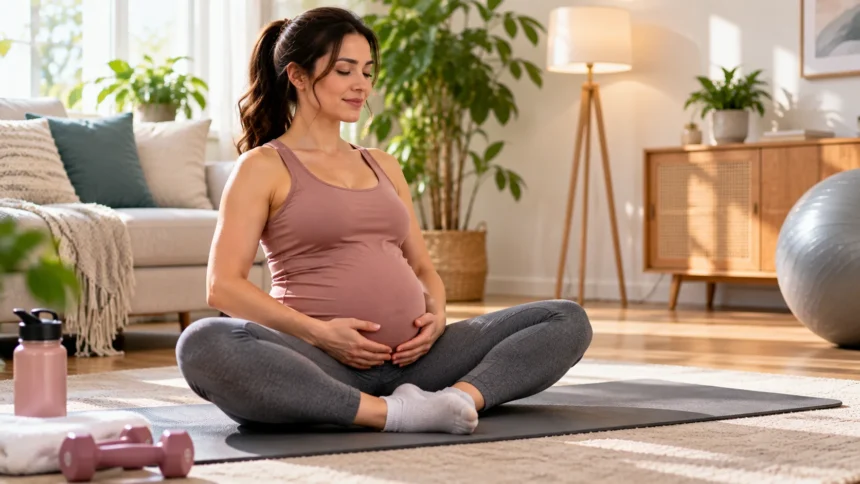
Pelvic floor exercises during pregnancy can help strengthen the muscles that support the bladder, bowel, uterus, and surrounding pelvic structures. Pregnancy places increasing pressure on these muscles as the baby grows, so learning how to contract and relax them properly may support comfort, bladder control, and recovery after childbirth. The key is using correct technique rather than simply squeezing as hard as possible.
Many pregnant people hear about Kegel exercises but are unsure which muscles to use, how long to hold them, or how often they should practice. Some may also have pelvic floor muscles that are already tense rather than weak. For this reason, pelvic floor training should include both controlled contraction and full relaxation.
This guide explains how pelvic floor exercises during pregnancy work, how to perform them correctly, common mistakes to avoid, useful positions, and when professional guidance may be helpful. It also covers breathing, relaxation, frequency, and simple ways to include pelvic floor training in your daily routine.
What Are Pelvic Floor Exercises?
Pelvic floor exercises are movements designed to improve awareness, control, strength, and relaxation of the muscles at the bottom of the pelvis. These muscles form a supportive layer underneath the pelvic organs and contribute to bladder and bowel control. They also work with the abdominal muscles, diaphragm, hips, and lower back during movement.
The most familiar pelvic floor exercise is often called a Kegel. It involves gently contracting the muscles you would use to stop passing gas or control urine flow. However, the exercise should not normally be practiced by repeatedly stopping urine while using the bathroom because that can interfere with normal bladder emptying.
Good pelvic floor training includes more than tightening. The muscles must also be able to release and lengthen comfortably. During pregnancy, learning both skills may be especially useful because the pelvic floor needs strength for support but also flexibility and coordination for everyday movement and childbirth.
Why the Pelvic Floor Matters During Pregnancy
Pregnancy gradually increases the load placed on the pelvic floor. As the uterus becomes heavier, these muscles provide additional support to structures within the pelvis. Hormonal and postural changes can also influence how the pelvic floor and surrounding muscles function.
Some people notice urinary leakage when coughing, sneezing, laughing, exercising, or lifting during pregnancy. Pelvic floor muscle training may help improve control by strengthening the muscles involved in closing the urethra and supporting the bladder. Results usually depend on consistent practice and correct technique.
The pelvic floor also works closely with the core and breathing muscles. Rather than acting as an isolated group of muscles, it responds to pressure changes created during lifting, walking, exercise, coughing, and daily activities. Developing better coordination can therefore be just as important as increasing strength.
How to Identify Your Pelvic Floor Muscles
Imagine gently stopping yourself from passing gas while also drawing the muscles around the vaginal area inward and slightly upward. This should create a subtle lifting sensation inside the pelvis rather than a strong squeeze in the buttocks or thighs. Keep breathing normally while you practice.
Another helpful cue is to imagine picking up a small tissue with the pelvic muscles and lifting it gently upward. The movement should feel controlled and relatively small. If your abdomen, legs, or glutes are working very hard, you may be compensating rather than isolating the pelvic floor.
Avoid repeatedly testing the muscles by stopping urine midstream. Doing it once to understand the general sensation may be suggested in some settings, but regularly interrupting urination is not a recommended exercise strategy. Practice instead while sitting, lying down, standing, or performing daily activities.
How to Do Pelvic Floor Exercises Correctly
Begin in a comfortable position such as sitting upright or lying on your side. Relax your jaw, shoulders, abdomen, and buttocks. Take a natural breath in, then gently contract the pelvic floor as you breathe out.
Think about closing and lifting the muscles rather than squeezing them aggressively. Hold the contraction for several seconds if you can do so without holding your breath or tightening surrounding muscles. Then release completely and allow the pelvic floor to relax before repeating.
Quality is more important than holding for as long as possible. If the contraction fades after three seconds, stop there rather than forcing a ten-second hold. Gradually increase duration only when you can maintain a smooth contraction and full relaxation afterward.
Start With Short Pelvic Floor Holds
Short holds are useful when you are learning how to activate the pelvic floor correctly. Begin with a gentle contraction for around two to five seconds, followed by an equal or slightly longer relaxation period. Repeat several times while maintaining normal breathing.
These shorter contractions help build awareness without causing unnecessary fatigue. Pelvic floor muscles can become tired like any other muscle group, and excessive squeezing can make control worse rather than better. Stop if the muscles feel tense, painful, or difficult to relax.
As your control improves, you may gradually work toward longer holds. The goal is not maximum force but steady, repeatable control. You should still be able to relax completely between repetitions before starting the next contraction.
Practice Quick Pelvic Floor Contractions
Quick contractions train the pelvic floor to respond rapidly to sudden increases in pressure. This can be useful when coughing, sneezing, laughing, or lifting causes leakage. The movement involves a short squeeze and lift followed by complete release.
Perform each contraction quickly without clenching the buttocks or holding your breath. Relax fully between repetitions rather than turning the exercise into one long continuous squeeze. Controlled release is an important part of the movement.
You can practice several quick contractions after completing your slower holds. Avoid performing large numbers once the muscles begin to fatigue. A smaller set of accurate repetitions is generally more useful than dozens performed with poor coordination.
Learn How to Relax the Pelvic Floor
Pelvic floor relaxation is just as important as strengthening during pregnancy. Muscles that remain constantly tense may contribute to discomfort, difficulty with bowel movements, pain, or trouble coordinating the pelvic floor during daily activities.
Practice relaxation by breathing slowly into the lower ribs and abdomen. As you inhale, imagine the pelvic floor softening and gently widening rather than pushing downward forcefully. As you exhale, allow the muscles to return naturally without immediately squeezing.
Do not bear down or strain when practicing relaxation. The sensation should be subtle and comfortable. If you find it difficult to release the pelvic floor or notice persistent pelvic pain, individualized guidance from a pelvic health physical therapist may be useful.
Use Diaphragmatic Breathing With Pelvic Floor Exercises
The diaphragm and pelvic floor work together during breathing. As you inhale, the diaphragm moves downward and the pelvic floor naturally responds by lengthening slightly. As you exhale, both structures move upward again.
Combining breathing with pelvic floor exercises can improve coordination. Try inhaling to relax, then gently lifting the pelvic floor as you breathe out. Avoid sucking in your stomach or holding your breath during the contraction.
This breathing pattern can also make exercises feel less tense. Pregnancy already changes breathing mechanics as the uterus grows, so keeping the movement gentle and natural is important. You should not feel dizzy, breathless, or strained during the exercise.
Best Positions for Pelvic Floor Exercises
Lying on your side can be a comfortable starting position during pregnancy. It reduces the need to support your full body weight and allows you to focus on the pelvic muscles. Use pillows as needed to make the position comfortable.
Sitting is another convenient option. Sit tall with both feet supported and allow your pelvis to rest naturally. Avoid excessively arching or flattening your lower back while you practice the contraction and release.
Standing pelvic floor exercises can be introduced once you understand the movement. Standing creates more gravitational demand and may better reflect everyday activities. You can eventually practice during functional movements such as walking or lifting light objects when appropriate.
How Often Should You Do Pelvic Floor Exercises?
A regular routine is usually more useful than occasional intensive sessions. Many people find it easier to practice a small number of controlled contractions once or several times during the day. Consistency helps improve awareness and coordination over time.
Avoid assuming that more repetitions always produce better results. Pelvic floor muscles can become fatigued if they are repeatedly tightened without adequate rest. Excessive exercise may also be unhelpful if your muscles are already overactive or difficult to relax.
If you are unsure how much exercise is appropriate, ask your prenatal healthcare professional or pelvic health physical therapist. Individual needs vary depending on symptoms, pregnancy stage, previous childbirth, pelvic pain, and overall muscle function.
Pelvic Floor Exercises for Urinary Leakage
Urinary leakage can occur during pregnancy as the bladder experiences increased pressure and pelvic tissues change. Leakage during coughing, sneezing, or exercise is often described as stress urinary incontinence. Pelvic floor strengthening may improve support and control in some people.
A useful strategy is sometimes called “the knack.” This involves gently contracting the pelvic floor just before coughing, sneezing, lifting, or performing another activity that increases abdominal pressure. The goal is to prepare the muscles before the pressure occurs.
Do not compensate by constantly keeping your pelvic floor tightened throughout the day. Muscles need periods of relaxation to function normally. If leakage is frequent or worsening despite regular exercises, speak with a healthcare professional for a more individualized assessment.
Pelvic Floor Exercises and Back or Hip Comfort
Pregnancy changes posture, body weight distribution, and the way muscles around the pelvis work together. These changes may contribute to discomfort around the hips, lower back, or pelvic region. Pelvic floor exercises may support coordination, but they are not a complete treatment for every type of pain.
The glutes, abdominal muscles, hips, and spinal muscles all contribute to pelvic stability. Gentle strengthening and mobility work may therefore be included alongside pelvic floor training when appropriate. If you are experiencing related symptoms, this guide to back and hip pain explains several common possibilities and warning signs.
Persistent or severe pain during pregnancy should not be assumed to come from weak pelvic floor muscles. Seek professional guidance when discomfort limits walking, sleeping, or normal activity. Individual evaluation can help determine whether muscles, joints, nerves, or other factors are contributing.
Can You Do Kegels Every Day During Pregnancy?
Many people can practice gentle pelvic floor exercises regularly during pregnancy when the exercises are comfortable and appropriate for them. Daily practice can make it easier to develop better muscle awareness and coordination.
However, daily squeezing is not necessary for everyone. If your pelvic floor is already tight, painful, or difficult to relax, additional strengthening without assessment may make symptoms worse. Balance between activation and relaxation is essential.
Pay attention to how your body responds. Pelvic pressure, pain, difficulty emptying the bladder or bowel, or increasing tension are reasons to stop and seek professional advice. Exercise should support function rather than create new symptoms.
Common Pelvic Floor Exercise Mistakes
One common mistake is squeezing the glutes, thighs, or abdominal muscles instead of the pelvic floor. Some gentle core activity may occur naturally, but surrounding muscles should not dominate the exercise. Focus on a subtle internal lift.
Another mistake is holding your breath. Breath-holding increases pressure inside the abdomen and can make the movement feel much harder than necessary. Continue breathing throughout each contraction and relaxation.
Failing to relax fully between repetitions is also common. Pelvic floor muscles should return to a resting position before contracting again. Constant tension can lead to fatigue and may contribute to discomfort or poor coordination.
Should You Squeeze as Hard as Possible?
Pelvic floor exercises do not need to involve maximum effort every time. Gentle to moderate contractions are often easier to control and allow you to focus on technique. Very forceful squeezing can recruit surrounding muscles unnecessarily.
A useful contraction should feel like a lift rather than a downward push. If you feel pressure toward the vaginal opening or anus, stop and reset your breathing and position. The movement should feel controlled and comfortable.
Strength can be built gradually once coordination improves. Similar to other muscles, pelvic floor training works best when resistance and duration are appropriate for your current ability. More force is not automatically better.
Pelvic Floor Exercises During Different Trimesters
During the first trimester, many people can practice pelvic floor exercises in several positions comfortably. This can be a good time to learn proper contraction and relaxation before pregnancy-related physical changes become more pronounced.
As pregnancy progresses, lying positions may become less comfortable. Side-lying, sitting, and standing can provide practical alternatives. Your prenatal healthcare provider can advise you about positions or exercise modifications based on your individual pregnancy.
In the third trimester, relaxation and awareness can become increasingly important alongside strength. The pelvic floor needs to support the body while also being able to release effectively. Avoid turning every session into intense strengthening as childbirth approaches.
Pelvic Floor Exercises Before Childbirth
A strong pelvic floor can provide useful support during pregnancy, but childbirth also requires the muscles to lengthen and coordinate appropriately. This is why relaxation training should be included rather than focusing only on squeezing.
Breathing exercises can help you become more aware of how the pelvic floor responds to pressure changes. Gentle relaxation, comfortable mobility, and prenatal movement may support better body awareness as delivery approaches.
Pelvic floor exercises cannot guarantee an easier birth or prevent every postpartum problem. Pregnancy and childbirth involve many individual factors. Use the exercises as part of a broader prenatal care plan rather than treating them as a complete preparation strategy.
Can Pelvic Floor Exercises Cause Pain?
Pelvic floor exercises should not normally cause sharp pain. Mild muscle awareness or fatigue may occur, but pelvic, vaginal, abdominal, hip, or lower-back pain during contractions should not simply be ignored.
Pain may indicate that the muscles are already tense or that your technique needs adjustment. Some people need relaxation and coordination work rather than additional strengthening. A pelvic health specialist can assess this more accurately.
Stop performing exercises that repeatedly increase discomfort. Pregnancy-related pelvic pain can have several possible causes, and treating every symptom with Kegels may not be appropriate. Professional guidance can help identify the correct approach.
How to Include Pelvic Floor Exercises in Daily Life
Link your exercises to a simple daily routine so they are easier to remember. You might practice while sitting comfortably after breakfast, during a quiet break, or before going to bed. Choose a time when you can focus on technique.
Pelvic floor awareness can also be used during everyday activities. Gently contract before a cough, sneeze, or light lift, then allow the muscles to release afterward. This helps connect isolated exercises with real-world movement.
Avoid keeping the pelvic floor tightened throughout the entire day. Constant bracing is not the goal. Healthy pelvic floor function involves the ability to contract when needed and relax when the demand has passed.
When to See a Pelvic Health Physical Therapist
A pelvic health physical therapist can assess whether your pelvic floor muscles are weak, tight, poorly coordinated, or functioning normally. This can be particularly useful when exercises are confusing or symptoms continue despite regular practice.
Consider seeking professional guidance if you experience persistent urinary leakage, pelvic pressure, pain with intercourse, difficulty emptying the bladder or bowel, or pelvic discomfort. These symptoms can require a more individualized approach than general exercises provide.
A therapist can also teach breathing, posture, strength, relaxation, and movement strategies specific to pregnancy. Their recommendations may change as your pregnancy progresses, especially if you have previous pelvic floor symptoms or childbirth history.
When to Stop Exercise and Seek Medical Advice
Stop exercising and contact your prenatal healthcare professional if you develop symptoms that concern you during pregnancy. These may include significant bleeding, leaking fluid, severe abdominal pain, regular painful contractions, faintness, chest pain, or unusual shortness of breath.
Pelvic floor exercises themselves are usually gentle, but pregnancy changes what is appropriate for each person. High-risk pregnancies, recent procedures, or specific medical conditions may require modified exercise guidance.
Follow individualized advice from your obstetrician, midwife, or other qualified prenatal professional. General exercise information cannot replace medical recommendations based on your pregnancy history and current symptoms.
Conclusion
Pelvic floor exercises during pregnancy can help improve awareness, strength, control, and coordination of the muscles that support the bladder, bowel, uterus, and pelvis. Correct technique involves a gentle lift, normal breathing, and full relaxation between contractions.
Include both slow holds and quick contractions, but avoid excessive squeezing. Pelvic floor relaxation, breathing, posture, and broader hip and core function are also important. Your routine should feel controlled and comfortable rather than painful or exhausting.
If you experience persistent leakage, pelvic pressure, difficulty relaxing the muscles, or pain during pregnancy, seek individualized guidance. A pelvic health physical therapist or prenatal healthcare professional can help determine whether strengthening, relaxation, or another approach is most appropriate.
FAQs
Are pelvic floor exercises safe during pregnancy?
Pelvic floor exercises are generally suitable for many pregnancies when performed gently and correctly. However, people with pregnancy complications or pelvic pain should follow individualized advice from their prenatal healthcare professional.
How many pelvic floor exercises should I do while pregnant?
There is no single ideal number for everyone. Start with a small set of controlled contractions and full relaxations, then increase gradually based on comfort, muscle control, and professional guidance.
When should I start pelvic floor exercises during pregnancy?
Pelvic floor awareness can often begin early in pregnancy. Learning correct contraction and relaxation before later physical changes occur may make the exercises easier to integrate throughout pregnancy.
Can Kegel exercises make the pelvic floor too tight?
Yes, repeatedly squeezing without relaxing may contribute to excess tension in some people. Pelvic floor training should include full release, especially if you already experience pelvic pain or difficulty relaxing.
Do pelvic floor exercises help after childbirth too?
Pelvic floor rehabilitation can also be useful after childbirth, but timing and exercise selection depend on delivery, healing, symptoms, and individual recovery. Postpartum guidance from a healthcare professional can help.
