

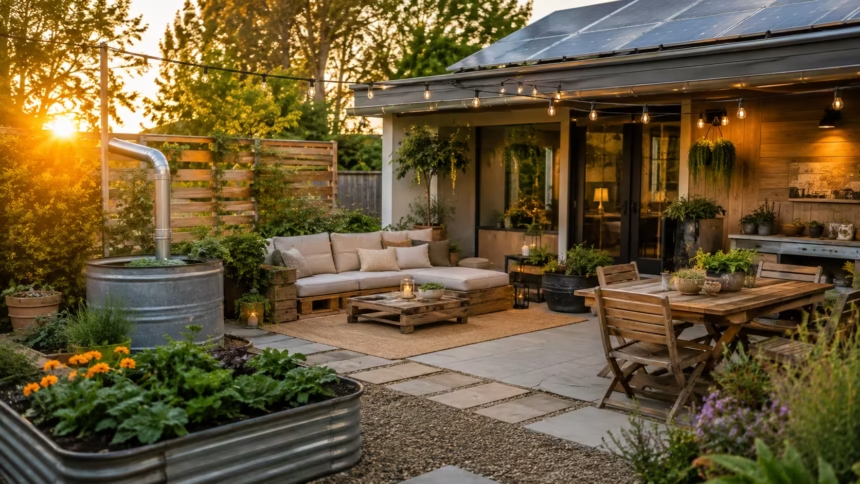
Eco-Friendly Outdoor Living Ideas for Sustainable Homes
An inviting outdoor space can make a home feel larger, calmer and more connected to nature. However, a beautiful garden, patio or balcony does not need to depend on excessive watering, disposable decorations or resource-heavy materials. Thoughtful choices can create a comfortable space that is easier to maintain and gentler on the environment.
Eco-friendly outdoor living focuses on using water, energy and materials more carefully. It may involve replacing part of a thirsty lawn, choosing climate-appropriate plants, installing efficient lighting or repairing existing furniture instead of buying another short-lived set. Each improvement can reduce waste without making the space feel unfinished or uncomfortable.
The most sustainable outdoor design is not always the newest or most expensive one. Reusing what you already own, improving healthy soil and selecting durable materials can be more valuable than filling the garden with products labelled “green.” A successful plan considers the entire lifespan of every feature.
Whether you have a large backyard, a compact patio or an apartment balcony, you can build a more environmentally responsible retreat. The following eco-friendly outdoor living ideas combine comfort, beauty and practicality so your exterior space supports both your lifestyle and a more sustainable home.
What Is Eco-Friendly Outdoor Living?
Eco-friendly outdoor living means designing and using exterior spaces in ways that reduce unnecessary environmental impact. It considers how much water and electricity the space needs, where its materials come from and what happens when plants, furniture or features reach the end of their useful lives.
A sustainable outdoor area should work with local conditions rather than constantly fighting them. Plants suited to the climate generally need less intervention than species that require frequent watering, chemical treatments or protection from unsuitable temperatures. The landscape becomes more resilient because its basic needs match the site.
Sustainability also includes human comfort and long-term usefulness. A patio that overheats, furniture that deteriorates after one season or a garden that requires hours of weekly maintenance may not remain practical. Durable design helps homeowners continue using the space instead of repeatedly replacing or redesigning it.
There is no single appearance that defines a sustainable garden. It can be modern, rustic, colourful, minimalist or family-oriented. What matters is whether the design conserves resources, supports healthy living systems and continues serving the household without creating excessive waste.
Begin With the Space You Already Have
Before purchasing anything, spend time observing how your outdoor area currently works. Notice where sunlight falls during different parts of the day, where rainwater collects and which areas receive strong wind. These patterns should guide planting, seating and shade decisions.
Review the condition of existing furniture, pots, paving and structures. A faded bench may only need sanding and a suitable finish, while old containers can often be cleaned and reused. Repairing functional items avoids both disposal waste and the environmental cost of manufacturing replacements.
Think about how you genuinely want to use the space. A household that enjoys outdoor meals needs a different layout from someone who wants a quiet reading corner or productive vegetable garden. Defining the purpose prevents unnecessary purchases that occupy space but rarely receive use.
Create a simple plan before beginning improvements. Divide the project into planting, water, energy, materials and comfort. This makes it easier to identify the changes with the greatest impact and complete them gradually rather than replacing the entire outdoor area at once.
Choose Native and Climate-Appropriate Plants
Native plants are species that developed within a particular region and its ecological conditions. When chosen for the correct soil, sunlight and moisture level, they can provide a strong foundation for a sustainable garden while supporting insects and other local wildlife.
A plant is not automatically low-maintenance simply because it is native to the wider country. A species adapted to a wet woodland may struggle in a sunny, dry yard within the same region. Match every plant to the conditions of its exact planting location.
Climate-appropriate non-native plants can also have a place when they are well behaved, non-invasive and suited to local water availability. The goal is to create a resilient plant community rather than follow a label without considering how each species will perform.
Ask a local nursery, botanical garden or agricultural extension service for region-specific advice. Their recommendations can help you avoid invasive plants, select appropriate varieties and create a garden that remains healthy with less irrigation, fertiliser and pest control.
Replace Some Lawn With Useful Planting
A lawn can provide space for games, pets and social activities, so complete removal is not necessary for every household. The more practical approach is to decide how much grass you actively use and replace unnecessary areas with lower-input alternatives.
Garden beds filled with shrubs, ornamental grasses, herbs or ground-cover plants can add texture while reducing the amount of mowing required. Curved beds around boundaries are often easier to maintain than narrow strips of grass that are difficult to cut efficiently.
In suitable locations, a flowering lawn or mixed low-growing ground cover can offer a softer alternative to conventional turf. The chosen plants must tolerate foot traffic and local weather, so research is important before replacing an established surface.
Reduce the lawn gradually if a full redesign feels overwhelming. Begin with a difficult corner, steep slope or dry patch where grass already performs poorly. Transforming problem areas first can save maintenance effort while showing how a more diverse landscape will look.
Create a Water-Saving Landscape
Water-efficient landscaping begins with plant placement. Group plants according to their moisture needs so thirsty varieties do not force you to overwater drought-tolerant neighbours. This practice, sometimes called hydrozoning, makes irrigation more precise and manageable.
Trees and shrubs generally need different watering patterns from shallow-rooted flowers or turf. Separate irrigation zones allow each group to receive suitable amounts at suitable intervals. Deep, less frequent watering often encourages stronger roots than daily surface sprinkling.
Water in the early morning when possible. Cooler conditions can reduce evaporation, while leaves have time to dry during the day. Avoid watering automatically after rainfall or when the soil remains moist below the surface.
Regularly inspect hoses, valves and irrigation lines for leaks or blocked emitters. A small unnoticed problem can waste water while leaving certain plants dry. Seasonal adjustments are also essential because a schedule suitable for hot weather may be excessive during cooler or wetter months.
Use Drip Irrigation and Smart Controls
Drip irrigation delivers water slowly near plant roots instead of spraying an entire bed. It can reduce water loss from wind and limit the amount reaching paths, walls or areas without plants. The system works particularly well for vegetable beds, shrubs and container groupings.
A simple drip system can connect to an outdoor tap and timer. Place emitters according to plant size and root area rather than using the same flow for every specimen. Check the soil after watering to confirm that moisture is reaching an appropriate depth.
Weather-based and soil-moisture irrigation controllers can reduce unnecessary watering. These devices respond to local conditions instead of following one fixed schedule throughout the year. They are most useful when correctly installed, programmed and maintained.
Technology cannot compensate for poor landscape design. A smart controller will still waste water if sprinklers spray pavement or high-water plants are scattered throughout the yard. Combine efficient controls with suitable plants, healthy soil and thoughtful irrigation zones.
Collect Rainwater Where Local Rules Allow
Rainwater harvesting captures water from a roof or another suitable surface for later outdoor use. A rain barrel connected to a downspout can provide water for containers and garden beds while reducing the amount immediately entering storm drains.
Use a covered container designed for water storage. Screens help keep leaves, insects and debris out, while a secure lid improves safety around children and animals. An overflow outlet should direct excess water away from the home’s foundation.
Stored rainwater is commonly used for ornamental plants, but its suitability for edible crops depends on the roof material, storage system and local guidance. Avoid assuming that collected water is safe for drinking or every household purpose without appropriate treatment and testing.
Rainwater rules differ between locations, so check local requirements before installation. Even where large collection systems are unsuitable, smaller landscape features such as rain gardens and shallow planted basins can help slow runoff and allow water to soak into the ground.
Improve Soil Before Buying More Plants
Healthy soil stores water, supports roots and provides a living environment for beneficial organisms. Plants growing in damaged or compacted soil may require more irrigation and fertiliser because their roots cannot access water and nutrients efficiently.
Begin by learning what type of soil you have. Sandy soil drains quickly, while heavy clay may hold water but limit airflow. A basic soil test can reveal pH and nutrient conditions so you can make targeted improvements instead of adding unnecessary products.
Compost can improve soil structure and support gradual nutrient cycling. Mix it into new beds according to local recommendations or apply it as a surface layer around established plants. Excessive amendment can be wasteful and may create nutrient imbalances.
Avoid digging or driving over wet soil whenever possible because pressure can increase compaction. Create permanent paths through larger beds so routine maintenance does not repeatedly compress the root zone. Better soil care reduces the need to solve plant problems later.
Use Mulch to Protect Garden Beds
Mulch covers the soil surface, helping reduce evaporation, moderate temperature and limit weed growth. Organic materials such as shredded leaves, bark and wood chips can gradually break down and contribute to soil structure.
Apply mulch in an even layer rather than piling it deeply against stems and tree trunks. Excess material around the base of a plant can trap moisture, hide damage and create poor growing conditions. Leave a small gap around each trunk or crown.
Choose locally available mulch when possible. Fallen leaves can be shredded and returned to beds, while untreated tree trimmings may be available through local arborists or municipal programmes. Reusing local organic material can reduce transport and packaging.
Do not cover the soil with permanent plastic simply to avoid weeds. Plastic can deteriorate, restrict water movement and create future disposal problems. A well-prepared bed, suitable mulch and occasional hand weeding usually provide a more adaptable long-term approach.
Compost Garden and Kitchen Scraps
Composting turns suitable organic waste into a soil-building material. Fruit and vegetable scraps, coffee grounds, dry leaves and small garden trimmings can become a useful amendment instead of taking up space in household rubbish.
A healthy compost pile needs a balance of nitrogen-rich green materials and carbon-rich brown materials. Kitchen scraps provide moisture and nitrogen, while dry leaves, cardboard and small woody pieces create structure and help control odour.
Avoid adding meat, dairy products, oils, diseased plants or pet waste to a basic home compost pile. These materials can attract pests, create odours or require temperatures that a small system may not reliably reach.
Households with limited space can explore enclosed tumblers, worm bins or local food-scrap collection programmes. The best method is one you can manage consistently. An oversized, neglected compost system is less sustainable than a smaller routine that works throughout the year.
Select Sustainable Decking and Paving
Outdoor flooring can carry a substantial material footprint, so begin by preserving what already exists. Cleaning, repairing and resealing a structurally sound deck or patio is usually more resource-efficient than replacing it for cosmetic reasons.
When new wood is needed, look for credible forest certification or reclaimed timber from a trustworthy supplier. Ask how the material performs outdoors, which maintenance it requires and whether the species is suitable for the local climate.
Recycled-content composite decking can reduce maintenance and make use of recovered material, but products vary in durability and recyclability. Review warranty terms, heat retention and end-of-life options instead of assuming every composite board has the same environmental profile.
For paths and patios, consider permeable paving, spaced stones, gravel or other surfaces that allow some rainwater to enter the soil. Proper installation is important because drainage, accessibility and long-term stability depend on a well-prepared base.
Buy Durable Outdoor Furniture
The most sustainable furniture is often the set you already own. Tightening connections, replacing cushions and refinishing weathered surfaces can extend its life for several seasons. Choose repair before replacement whenever the structure remains safe.
When purchasing new pieces, prioritise durability, replaceable components and timeless design. A well-built chair that remains useful for many years is generally a better choice than a trend-led item that cracks, fades or becomes uncomfortable after one summer.
Responsibly sourced wood, recycled metal and quality recycled plastic can all be reasonable options. No material is perfect in every situation, so compare manufacturing, transport, maintenance and expected lifespan instead of relying on one marketing claim.
Protect furniture from unnecessary weather exposure. Covers, shaded storage and seasonal maintenance can delay deterioration. Wash removable textiles according to care instructions and repair small tears before they become large enough to require complete replacement.
Repurpose Materials With Care
Reclaimed materials can add character to an eco-friendly backyard while reducing demand for newly manufactured products. Old bricks may become edging, sound timber can become a planter and durable containers can be adapted for garden storage.
Safety must guide every reuse project. Avoid unknown wood that may contain hazardous preservatives, painted materials that could release lead and containers previously used for chemicals. Items placed near food crops require particular care.
Design repurposed features to remain useful rather than creating decoration that quickly becomes waste. A sturdy bench, raised bed or potting station provides ongoing value, while unstable projects may require disposal after only one season.
Combine reused materials thoughtfully so the outdoor space still feels intentional. Repeating shapes, finishes or colours can make salvaged pieces look connected. Sustainable design can be creative and polished without requiring every item to be purchased new.
Add Energy-Efficient Outdoor Lighting
Good outdoor lighting improves visibility and comfort, but more light is not always better. Focus illumination on steps, entrances and active seating areas rather than flooding the entire garden throughout the night.
LED fixtures generally use energy efficiently and have long operating lives. Choose weather-rated products suitable for their intended location, and select replaceable components where possible so one failed part does not make the entire fixture unusable.
Timers, motion sensors and dusk controls prevent lights from operating when they are not needed. A dim light that increases temporarily when movement is detected can provide practical visibility while using less energy than a bright fixture left on continuously.
Direct light downward and keep it within your property. Warm, lower-intensity lighting can reduce glare and disturbance compared with overly bright, blue-rich light. Thoughtful placement also creates a more relaxed atmosphere for people using the space.
Use Solar Lighting Strategically
Solar garden lights can be useful where wiring would be difficult or where low-level decorative light is sufficient. They charge during the day and operate from stored energy after dark, making them convenient for paths and small accents.
Performance depends on sun exposure, battery quality and seasonal weather. A light positioned beneath dense shade may not collect enough energy to work reliably. Observe the site before deciding where solar fixtures should be installed.
Cheap sealed units may fail quickly when batteries or LEDs cannot be replaced. Look for products with replaceable rechargeable batteries, durable housings and available spare parts. A repairable fixture provides better long-term value.
Solar lights should not be treated as unlimited, consequence-free lighting. Use only the number required and direct them carefully. Even energy supplied by the sun can contribute to unnecessary nighttime brightness when fixtures are poorly positioned.
Create Natural Shade and Cooling
Shade can make an outdoor area comfortable without relying on fans or other powered equipment. A strategically placed tree, pergola, vine-covered structure or fabric canopy can reduce direct sun over seating and dining areas.
Deciduous trees may provide summer shade while allowing more sunlight through after their leaves fall. Their placement requires careful planning because mature size, roots, overhead lines and distance from buildings all affect long-term suitability.
Pergolas and trellises can support climbing plants that soften hard surfaces and create seasonal shelter. Choose non-invasive species with growth habits suitable for the structure, and make sure the support can handle the mature weight.
Light-coloured surfaces and breathable materials may remain more comfortable than dark, heat-absorbing finishes. Before adding powered cooling, improve shade, airflow and planting. Passive design often reduces both energy use and the intensity of outdoor heat.
Build a Pollinator-Friendly Garden
A pollinator garden provides food and shelter for bees, butterflies, moths and other beneficial insects. Choose a diversity of flowering plants so nectar and pollen are available across different parts of the growing season.
Plant flowers in visible groups rather than scattering single specimens throughout the yard. Clusters can make resources easier for pollinators to find and create a stronger visual effect. Include different flower shapes to support a wider range of visitors.
Avoid routine pesticide use, especially when plants are flowering. A treatment designed for one pest may harm beneficial insects or disrupt the food web. Start with correct plant selection, physical removal and targeted low-impact controls.
Leave some natural structure where it is safe to do so. Hollow stems, small patches of bare soil and leaf litter can provide nesting or overwintering habitat. A sustainable garden does not need to look neglected, but it can allow more life than a completely sterilised landscape.
Make the Space Friendlier to Wildlife
Wildlife-friendly landscaping offers water, food, shelter and safe movement. Trees, layered shrubs and ground-level plants create more useful habitat than one flat layer of lawn surrounded by bare fencing.
Provide shallow water in a stable container and clean it regularly. Add stones or textured edges that allow small creatures to exit safely. Standing water should not be neglected because poorly maintained containers can create hygiene and mosquito problems.
Reduce hazards by keeping chemicals securely stored and covering deep water features where necessary. Use fencing and netting carefully so birds and small animals do not become trapped. Wildlife support should never create avoidable risk.
Observe which species already visit before installing specialised houses or feeders. Some commercial wildlife products are poorly designed or unsuitable for local species. Region-specific guidance can help you provide features that are safe, useful and easy to maintain.
Grow Food in an Edible Garden
An edible garden can bring part of food production closer to home while making outdoor spaces more interactive. Herbs, leafy greens, chillies and compact tomatoes can grow in beds or containers when they receive suitable sunlight and care.
Start with foods your household regularly eats. Growing large amounts of an unfamiliar crop may create waste, while a few frequently used herbs can provide value throughout the season. Choose varieties appropriate for the available space.
Mix edible and ornamental plants when conditions allow. Herbs can line a sunny path, fruiting shrubs can form part of a boundary and flowers can bring colour near vegetables. This approach creates a productive garden without separating it into a hidden utility area.
Home-grown food is not automatically impact-free. Avoid overwatering, excessive fertiliser and unnecessary plastic equipment. Reuse safe containers, compost suitable scraps and plan succession planting so the garden produces manageable amounts rather than one overwhelming harvest.
Design an Eco-Friendly Outdoor Kitchen
An outdoor kitchen does not need to include every appliance available. Begin with the cooking and preparation features you will use regularly. A durable work surface, safe cooking area and reusable tableware may be more useful than a large installation requiring constant maintenance.
Place the kitchen near the indoor food-storage area when possible. A convenient layout reduces unnecessary movement and makes it easier to use existing plates, utensils and ingredients instead of purchasing duplicate outdoor sets.
Choose efficient equipment sized for the household. Larger appliances can consume more fuel and materials even when cooking small meals. Keep grills clean and well maintained so they heat effectively and remain usable for longer.
Provide clearly labelled containers for recycling, food scraps and general waste during gatherings. Plan menus around reusable serving dishes and washable napkins. The everyday habits surrounding the kitchen often matter more than decorative claims about its materials.
Entertain Outdoors With Less Waste
Outdoor gatherings can generate disposable plates, plastic decorations and uneaten food. Build a reusable entertaining kit containing durable plates, cups, cutlery and cloth napkins so low-waste choices remain convenient for every event.
Use natural greenery, potted plants or existing lighting instead of single-use decorations. A few well-placed items can create atmosphere without covering the space in materials that will be discarded after several hours.
Plan food quantities according to the likely number of guests. Offer containers for leftovers and store perishable items promptly. Reducing wasted food is one of the simplest ways to make entertaining more resource-conscious.
Make sustainability easy for guests rather than turning it into a lecture. Place water dispensers where people can refill glasses and position waste containers where they are visible. Good design allows responsible behaviour to happen naturally.
Make Balconies and Small Patios Sustainable
Small outdoor spaces can be highly functional because every item must earn its place. Choose foldable furniture, wall-mounted storage and multipurpose pieces that provide seating without permanently occupying the full floor area.
Use vertical planting to grow herbs and flowers while preserving walking space. Confirm that walls, railings and fixings can support the weight of containers, especially after the soil becomes saturated with water.
Place saucers beneath pots where drainage could affect neighbours or damage surfaces. Group containers with similar watering needs and choose larger pots when possible because they generally dry out more slowly than many tiny containers.
Avoid filling a balcony with lightweight plastic items that may deteriorate in strong sunlight. A few durable containers and a comfortable chair can create a more sustainable retreat than numerous short-lived accessories purchased to imitate a larger garden.
Reduce Plastic in the Garden
Plastic can be useful in durable tools and long-lasting irrigation systems, but unnecessary single-use products create avoidable waste. Begin by reusing plant pots and trays rather than discarding them after each planting season.
Choose concentrated products or refill options when safe and available. Buying compost, mulch or soil amendments in bulk can reduce packaging, although the quantity should match actual need to prevent material from deteriorating unused.
Natural-fibre twine, durable metal labels and wooden or metal tools may replace some disposable plastic accessories. However, a plastic tool you already own should remain in use rather than being discarded solely to purchase a more attractive alternative.
Avoid products marketed as biodegradable unless their disposal requirements are clear. Some materials break down only under industrial composting conditions and will not disappear in ordinary garden soil. Accurate labels matter more than reassuring language.
Maintain the Garden Without Harsh Chemicals
Healthy plants are less vulnerable to many pest and disease problems. Provide suitable sunlight, spacing, soil and water before reaching for a treatment. Stress caused by poor conditions can make a garden repeatedly dependent on corrective products.
Inspect plants regularly so small problems are noticed early. Removing a diseased leaf, pruning damaged growth or washing off a limited pest population may prevent a larger infestation without broad chemical use.
Encourage beneficial insects and tolerate minor cosmetic damage. A leaf with a few holes does not always require treatment. The goal of a sustainable garden is a functioning living system, not a landscape where every plant appears artificially perfect.
When treatment is necessary, identify the problem first and use the most targeted option available. Follow all label instructions and avoid applying products during unsuitable weather or when pollinators are actively visiting flowers.
Plan for Durability and Repair
Every outdoor feature faces sunlight, moisture, wind and temperature changes. Select materials for local conditions so they do not fail prematurely. A product suited to a dry climate may perform poorly in constant humidity or freezing weather.
Inspect furniture, decking, fences and shade structures at least once a year. Tightening a loose fitting or sealing exposed wood early can prevent a minor issue from becoming an expensive replacement project.
Keep instructions, spare hardware and finish details for major purchases. Knowing the correct replacement part or protective coating makes repair easier several years later. Store small components in a labelled container instead of losing them.
Design features so individual parts can be replaced. Removable cushion covers, standard-size boards and modular furniture support longer use. Products that cannot be opened, repaired or maintained may create more waste despite having an environmentally friendly appearance.
Build a Sustainable Outdoor Space on a Budget
Begin with free changes such as reducing unnecessary watering, adjusting lighting timers and reusing existing containers. These steps can lower resource use immediately without requiring a major purchase.
Next, invest in improvements that prevent recurring waste. Repairing a leaking irrigation line, improving mulch coverage or creating shade may provide greater long-term value than purchasing decorative accessories.
Buy second-hand furniture and materials from reliable sources when appropriate. Inspect structural condition, stability and signs of chemical contamination before bringing items home. A safe, durable used product can offer excellent environmental and financial value.
Complete the project in phases. Improve soil and water systems first, then add planting, seating and lighting. A gradual approach provides time to observe what works and prevents expensive features from being installed in unsuitable locations.
Common Sustainable Landscaping Mistakes
One common mistake is replacing every feature at the same time. Removing healthy plants, usable paving and repairable furniture can create more waste than improving the existing space gradually.
Another mistake is choosing plants only because they are described as drought tolerant. Newly planted specimens still require establishment watering, and even resilient species will struggle when placed in unsuitable soil or light.
Homeowners may also install rain barrels, solar lights or compost bins without planning maintenance. Sustainable systems need correct use and regular care. Neglected equipment can become ineffective, unsafe or destined for disposal.
Finally, avoid pursuing an appearance that requires constant control. A landscape designed to remain perfectly unchanged may depend on frequent trimming, watering and treatment. Allowing seasonal variation can create a healthier and more realistic outdoor space.
Create Your Eco-Friendly Outdoor Living Plan
Begin by writing down the three problems you most want to solve. These might include high water use, an overheated patio, constant lawn maintenance or a lack of wildlife. Clear priorities will guide practical decisions.
Choose one improvement from each major area: water, planting, materials and energy. For example, install drip irrigation, add a native planting bed, repair the outdoor table and replace an uncontrolled floodlight with a directed sensor fixture.
Set a realistic maintenance routine before expanding the design. Include watering checks, compost care, seasonal pruning and furniture inspection. A smaller space maintained consistently is more sustainable than an ambitious project that becomes difficult to manage.
Review the outdoor area after each season. Notice which plants performed well, where water collected and which features received regular use. Sustainable design develops through observation, adjustment and long-term care rather than one perfect installation.
Eco-Friendly Outdoor Living Ideas: Final Thoughts
Eco-friendly outdoor living is not about giving up comfort or creating a garden that looks unfinished. It is about building a useful exterior space that consumes fewer resources, produces less waste and remains enjoyable for years.
Water-smart planting, healthy soil and efficient irrigation can make the landscape more resilient. Durable furniture, responsible materials and repairable features reduce the need for repeated replacement.
Thoughtful lighting, shade and wildlife-friendly planting improve both atmosphere and ecological value. Even small balconies can support herbs, flowers and comfortable seating when every item is chosen with purpose.
Start with what you already have and improve it one decision at a time. A sustainable home extends beyond its walls, and the outdoor space can become one of its most beautiful, productive and environmentally responsible areas.
Frequently Asked Questions
What is the most eco-friendly outdoor landscaping option?
A climate-appropriate landscape using native plants, healthy soil, limited turf and efficient irrigation is often highly sustainable. The best design depends on local rainfall, soil and how the household uses the space.
How can I make my backyard sustainable on a budget?
Repair existing furniture, reduce unnecessary watering, compost suitable scraps and divide unused lawn into small planting beds. Start with low-cost changes before investing in new structures or technology.
Are solar garden lights environmentally friendly?
Solar lights can reduce grid electricity use, but quality and durability matter. Choose weather-resistant fixtures with replaceable batteries and use only the number needed to avoid waste and excessive nighttime lighting.
Which outdoor furniture material is most sustainable?
There is no single best material for every climate. Durable second-hand furniture, responsibly sourced wood, recycled metal and long-lasting recycled plastic can all work when they are repairable and properly maintained.
How can I save water in my garden?
Choose plants suited to local conditions, group them by water needs, apply mulch and repair irrigation leaks. Drip systems and moisture-based controls can also reduce unnecessary watering when correctly used.
