

Prague in Winter: Weather, Markets & Best Things to Do
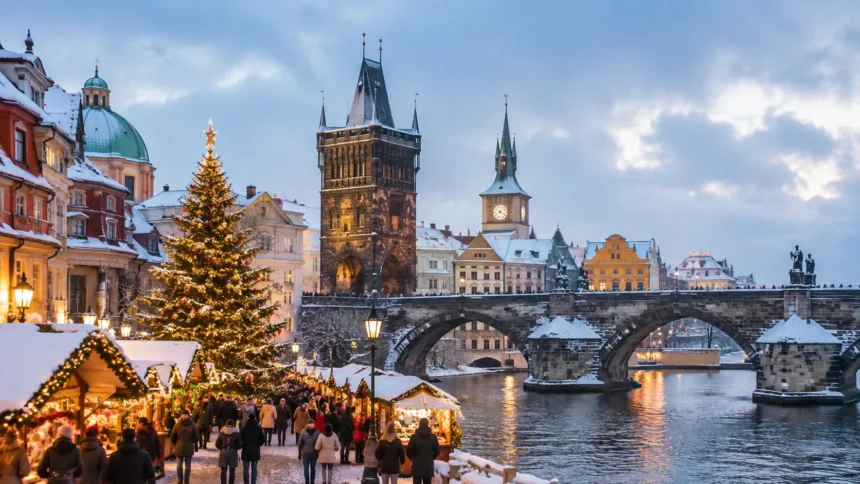
Prague in winter feels completely different from the city people experience during the warmer months. Gothic towers rise above misty streets, historic squares glow beneath seasonal lights, and the city’s red rooftops can occasionally disappear under a thin layer of snow. Winter also brings shorter days, colder temperatures, and changing opening hours, so planning matters more than it does during summer. Travelers who prepare for the weather can enjoy atmospheric walks, Christmas markets, warm Czech food, historic interiors, and quieter sightseeing periods. December is especially festive, while January and February often provide fewer crowds and better accommodation value. The result can be one of Europe’s most memorable cold-season city breaks.
Winter in Prague generally stretches from December through February, although chilly conditions can arrive earlier and linger into March. Daytime temperatures commonly hover close to freezing during the coldest periods, while nights can fall below 0°C. Snow is possible but should not be treated as guaranteed because some winters are wetter or milder than others. Wind and damp air can make temperatures feel colder than the thermometer suggests. Comfortable waterproof footwear, warm layers, gloves, and a good coat make exploring significantly easier. Fortunately, Prague has countless cafés, museums, churches, restaurants, galleries, and historic buildings where visitors can warm up between outdoor attractions.
The city becomes particularly popular around Prague Christmas markets, when Old Town Square and other central locations fill with decorated stalls, seasonal food, hot drinks, ornaments, crafts, and festive entertainment. Market dates can vary slightly from year to year, but the main Christmas season usually begins in late November or early December and continues around the holiday period. Visitors arriving after Christmas may still encounter winter decorations and seasonal activity depending on the year. December is therefore the liveliest winter month, but it is also one of the busiest. Travelers seeking a calmer experience may prefer January or February after the holiday crowds disappear.
Winter also changes the way you experience Prague’s most famous sights. Charles Bridge is particularly atmospheric early in the morning when fewer people are around, while Prague Castle can feel dramatic against a grey winter sky. Old Town Square becomes more inviting after dark when historic architecture is illuminated. The colder season also creates a natural reason to spend more time exploring interiors such as churches, museums, historic halls, galleries, and traditional Czech restaurants. Instead of trying to fit dozens of outdoor attractions into one long day, winter encourages slower sightseeing. That rhythm suits Prague remarkably well because much of the city’s charm lies in details rather than rushed checklists.
This guide covers Prague winter weather, Christmas markets, what to wear, where to go, what to eat, indoor attractions, outdoor activities, costs, crowds, and the best things to do in Prague in winter. It also explains how December, January, and February differ so you can choose the month that best matches your travel style. Whether you are planning a festive December trip, a quiet January escape, or a romantic February weekend, Prague can offer plenty to do despite the cold. The key is combining outdoor sightseeing with warm indoor stops and leaving room for weather changes. With the right expectations, winter can be one of the most rewarding times to visit the Czech capital.
What Is Prague Weather Like in Winter?
Winter weather in Prague is typically cold, changeable, and often damp. December daytime temperatures frequently sit a few degrees above freezing, while mornings and evenings can feel considerably colder. January is usually among the coldest periods of the year, and sub-zero temperatures are entirely possible. February remains chilly but can occasionally bring brighter afternoons and early hints of spring toward the end of the month. Travelers should expect cold weather rather than planning around unusually mild conditions. Packing for temperatures around freezing gives you flexibility if the forecast shifts. Wind-resistant layers are particularly valuable because exposed viewpoints and bridges can feel much colder than sheltered streets.
Snow adds a magical quality to Prague, but visitors should not book a winter trip expecting continuous white landscapes. The city may receive several snowy periods during the season, yet snow can melt quickly when daytime temperatures rise. Some years bring more frequent snowfall than others, and rain or sleet can occur instead. When snow does settle, Prague Castle, Charles Bridge, Petrin Hill, and the rooftops of Mala Strana can look exceptionally beautiful. Early mornings are often the best time to enjoy freshly fallen snow before busy streets become slushy. Waterproof shoes are useful regardless of whether precipitation arrives as snow or rain.
Daylight is another important factor when planning Prague in December or January. Winter days are much shorter than summer days, with darkness arriving relatively early in the afternoon. This changes sightseeing priorities because viewpoints, gardens, and architectural details are easiest to appreciate during daylight. It can be helpful to schedule outdoor attractions earlier and save museums, restaurants, concerts, or evening walks for later. Fortunately, Prague looks especially attractive after dark. Illuminated towers, bridges, historic squares, and narrow lanes create a completely different atmosphere once the sun goes down.
Winter temperatures can feel especially cold near the Vltava River. Charles Bridge and riverside areas are exposed to wind, so conditions there may feel harsher than those inside the narrow lanes of Old Town. A temperature that seems manageable when leaving the hotel can become uncomfortable after an hour standing outside. Layering makes it easier to adapt because heated restaurants and museums can be warm indoors. A thermal base layer, sweater, insulated coat, hat, gloves, and scarf provide flexibility without requiring extremely bulky clothing. Comfortable socks are also worth prioritizing because winter sightseeing often involves many hours of walking.
Weather forecasts become most useful shortly before departure because exact conditions cannot be predicted far in advance. Check expected temperatures, precipitation, and wind during the final days before your trip and adjust your packing accordingly. If icy conditions are expected, shoes with reliable grip become more important because Prague’s cobbled streets can become slippery. Travelers should also build some flexibility into their itinerary. A snowy morning might be perfect for outdoor photography, while persistent rain could be a good reason to spend more time in museums. Winter travel works best when the weather helps shape the day rather than completely disrupting it.
Prague Christmas Markets and Winter Atmosphere
The Prague Christmas markets are one of the biggest reasons travelers visit the city during winter. Old Town Square usually hosts the most famous market, surrounded by colorful Baroque and Gothic architecture that gives the setting a dramatic seasonal backdrop. Wooden stalls typically sell ornaments, crafts, food, sweets, warm beverages, and small gifts. A decorated Christmas tree becomes a central visual feature, especially after dark when the square fills with lights. The atmosphere can be lively, cheerful, and extremely photogenic. Because this is one of Prague’s best-known seasonal attractions, visitors should expect substantial crowds during evenings and weekends.
Wenceslas Square traditionally hosts another central Christmas market within easy walking distance of Old Town Square. The surroundings are different because Wenceslas Square feels more like a broad city boulevard than an enclosed medieval plaza. Visitors can combine the two markets during one evening without needing public transportation. Smaller seasonal markets may also appear in other parts of the city, offering a more relaxed atmosphere away from the busiest tourist zone. Exploring several locations can make the experience feel more varied. Market schedules and individual vendors may change each year, so exact arrangements should be checked closer to your travel dates.
Food plays a major role in the market experience. Visitors commonly encounter grilled sausages, roasted meats, pastries, potatoes, cheeses, sweet snacks, and warming drinks. Some foods heavily associated with Prague tourism are not necessarily everyday traditional Czech staples, so it is worth viewing the markets as festive entertainment rather than a complete introduction to local cuisine. For a broader food experience, combine market snacks with established Czech restaurants elsewhere in the city. Winter is ideal for hearty dishes because rich sauces, dumplings, soups, and roasted meats feel particularly satisfying after a cold walk. Warm indoor meals also provide welcome breaks between sightseeing stops.
The best time to visit the central markets depends on what atmosphere you want. Daytime visits usually make it easier to browse stalls and inspect products without navigating dense evening crowds. After sunset, however, the lights create the classic festive appearance most travelers imagine. A practical strategy is to arrive in the late afternoon, explore before the busiest evening period, and stay as the lights become more prominent. Weekdays can feel more manageable than Friday and Saturday evenings. If photography is a priority, returning at different times allows you to capture both architectural detail and the illuminated winter atmosphere.
Travelers visiting in January or February should understand that the Christmas market experience is primarily tied to the holiday season. Decorations may remain for a while, and some seasonal activity can extend beyond Christmas, but Prague after the holidays feels noticeably different. January offers a quieter winter-city atmosphere rather than the intense festive energy of December. February can feel even calmer, especially outside major events or romantic weekend periods. This distinction matters when choosing travel dates. Come in December for markets and holiday lights, but consider January or February if your priorities are sightseeing, lower crowd levels, and a slower experience.
Best Things to Do in Prague in Winter
Walking across Charles Bridge is one of the essential things to do in Prague during winter. The historic bridge connects Old Town with Mala Strana and provides excellent views toward Prague Castle, the Vltava River, and surrounding towers. Winter can make the experience particularly atmospheric when mist hangs over the water or snow covers nearby rooftops. Early morning is usually the most rewarding time because crowds are lighter and the city feels quieter. Gloves are useful because the bridge is exposed to cold wind. After crossing, you can warm up in one of the cafés or restaurants on the Mala Strana side.
Prague Castle deserves several hours rather than a rushed photo stop. The vast castle complex includes courtyards, historic buildings, churches, viewpoints, and architectural details spanning many centuries. St. Vitus Cathedral is one of the standout sights and provides a dramatic indoor stop during colder weather. Winter crowds can sometimes be easier to manage than peak summer crowds, although holiday periods remain busy. Arriving early helps reduce waiting and leaves more daylight for exploring the surrounding district. The uphill approach can be slippery during icy weather, so comfortable footwear with good traction makes the visit safer and more enjoyable.
Old Town Square is another place worth experiencing at several times of day. During daylight, visitors can appreciate the facades, monuments, towers, and architectural layers surrounding the square. After dark, lighting gives the area a more theatrical atmosphere, especially during the Christmas period. The Astronomical Clock attracts regular crowds, but the surrounding lanes are equally rewarding when explored slowly. Winter evenings encourage visitors to wander without feeling pressure to cover huge distances. A short walk can easily turn into an hour of discovering courtyards, shopfronts, churches, and quieter streets beyond the busiest routes.
For a panoramic winter view, consider visiting a high viewpoint when visibility is good. Prague contains several towers and elevated areas where the city’s red roofs, church spires, river, and castle can be seen together. Petrin Hill is another option, although weather conditions can make paths icy or muddy. Clear winter days can produce crisp views that are excellent for photography. Cloudy days can be beautiful in a different way, giving the skyline a moody Central European atmosphere. Check conditions before climbing because there is little advantage in visiting a viewpoint when low cloud completely hides the city.
Winter is also ideal for enjoying Prague at a slower pace through neighborhoods rather than only major attractions. Mala Strana offers historic streets, elegant buildings, churches, gardens that may have seasonal access limitations, and scenic routes beneath the castle. Josefov introduces visitors to Prague’s Jewish history and contains important historic sites. Vinohrady and other residential districts offer cafés, restaurants, and a more everyday urban atmosphere beyond the center. Even a simple tram ride can reveal different sides of the city while providing relief from the cold. The best winter itineraries mix famous landmarks with periods of unstructured exploration.
Explore Prague Castle and Mala Strana
Prague Castle dominates the city skyline and is particularly striking in winter when the surrounding trees are bare and the architecture becomes more visually prominent. The complex is much larger than many first-time visitors expect, so allow enough time to explore without rushing. Security procedures and queues can add time during busy periods, especially in December. Visiting earlier in the day generally provides more flexibility and maximizes limited winter daylight. The castle grounds also contain elevated views across the city. On clear winter mornings, these viewpoints can be among the most memorable places in Prague.
St. Vitus Cathedral is a highlight of the castle complex and offers a dramatic contrast to the cold outdoors. Its Gothic interior, stained glass, chapels, stonework, and scale reward careful observation rather than a quick walk through. Winter visitors may appreciate the chance to warm up indoors, although historic churches can still feel cool inside. Dress in layers so you remain comfortable during long visits. The changing winter light can also transform the cathedral’s interior throughout the day. Photography rules may vary by area, so pay attention to posted guidance while exploring.
Golden Lane and other castle-area attractions reveal smaller-scale aspects of the complex. Narrow buildings, historic interiors, and enclosed spaces offer a different experience from the cathedral’s monumental architecture. Winter can enhance the storybook quality of the lane, particularly when visitor numbers are moderate. However, compact areas can still feel crowded during peak holiday dates. Moving through the castle in a logical order saves energy because repeated uphill and downhill walking becomes tiring in cold conditions. Reviewing the site layout beforehand helps you decide which parts matter most to you.
After the castle, descend into Mala Strana, also known as the Lesser Town. The neighborhood sits beneath the castle and contains Baroque architecture, picturesque streets, churches, hidden courtyards, cafés, and traditional restaurants. Winter suits Mala Strana because its narrow lanes feel intimate and atmospheric even when daylight is limited. Rather than following the fastest route back toward Charles Bridge, take time to wander through quieter side streets. Snow or light fog can make the district particularly photogenic. The neighborhood also provides plenty of indoor stops when the temperature becomes uncomfortable.
Combining Prague Castle and Mala Strana creates a natural half-day or full-day winter itinerary. Start high at the castle while daylight is strongest, then gradually work downhill toward the river. Stop for lunch or coffee in Mala Strana before crossing Charles Bridge in the late afternoon. If sunset occurs around this part of the day, you may experience the bridge as the city lights begin appearing. The route avoids unnecessary backtracking and uses Prague’s geography efficiently. It also balances major sightseeing with slower neighborhood exploration, which is exactly the kind of rhythm that works well during winter.
Enjoy Prague’s Best Indoor Attractions
Winter is an excellent time to explore Prague’s museums and indoor attractions because the weather naturally encourages longer visits. Rather than treating museums as backup plans for rainy days, build some of them into the itinerary from the beginning. Prague offers institutions covering national history, art, music, technology, communism, decorative arts, and many specialized subjects. Choosing two or three that genuinely match your interests creates a better experience than attempting to visit everything. Indoor attractions also provide useful breaks between long periods of walking. This is particularly valuable in January, when cold temperatures can make continuous outdoor sightseeing tiring.
Historic interiors are equally rewarding. Prague contains churches, palaces, halls, libraries, and performance spaces where architecture becomes the attraction itself. Visitors interested in art and design can appreciate painted ceilings, decorative plasterwork, stained glass, woodwork, and period furnishings. Winter’s shorter daylight hours make these interior visits especially practical in the afternoon. Some historic spaces maintain limited schedules or require timed entry, so checking opening hours before leaving the hotel saves frustration. Planning one major indoor attraction after lunch can create a comfortable daily rhythm.
A classical concert can add another dimension to a winter trip. Prague has a strong musical identity, and concerts are held in churches, halls, theaters, and historic venues throughout the city. Quality and atmosphere vary, so choose performances based on your musical interests rather than simply selecting the first heavily advertised event. An evening concert works particularly well in winter because outdoor sightseeing naturally winds down earlier. Dressing slightly smarter can add to the occasion, although requirements depend on the venue. Booking popular performances in advance is sensible during festive periods.
Cafés deserve to be treated as part of the Prague experience rather than merely places to escape the cold. The city has everything from grand historic cafés to contemporary specialty coffee shops and small neighborhood bakeries. Winter provides an excellent excuse to slow down with coffee, tea, pastries, or dessert between attractions. A planned café stop can prevent fatigue and make the itinerary feel less demanding. Travelers often remember these quiet moments as strongly as major landmarks. Try combining famous central cafés with at least one neighborhood spot away from the busiest tourist routes.
Shopping can also provide an indoor break, although Prague offers much more than souvenir stores. Visitors may browse Czech design, glassware, ceramics, books, fashion, art, food products, and handmade items. Christmas markets add seasonal shopping opportunities in December, while permanent shops provide more time to compare quality and prices. If you are buying fragile glass or ceramics, consider how the items will be packed for travel. Avoid assuming every product sold in the historic center is locally made. Asking about origin and craftsmanship can help you find souvenirs with a stronger connection to the city or country.
What to Eat and Drink in Prague During Winter
Cold weather makes traditional Czech food particularly satisfying because many classic dishes are rich, warm, and substantial. Visitors may encounter roasted or braised meats served with dumplings, cabbage, sauces, potatoes, or vegetables. Goulash-style dishes are popular with travelers, while soups can provide an excellent start to a winter meal. Menus vary between traditional restaurants, modern Czech kitchens, pubs, and tourist-focused venues. Rather than eating only around Old Town Square, explore neighborhoods where restaurants serve a broader mix of residents and visitors. Reservations can be useful for popular places during December and weekends.
Czech dumplings are an important accompaniment to many traditional meals and come in different forms. Bread dumplings are commonly served with rich sauces, while potato-based versions may accompany meats and cabbage. Their purpose is often to absorb flavorful sauces rather than serve as an independent dish. First-time visitors sometimes order very heavy meals at every sitting and quickly become overwhelmed. Mixing traditional food with lighter lunches, cafés, or international options creates a more comfortable balance over several days. Prague has a broad dining scene, so there is no need to eat only classic Czech dishes throughout the trip.
Winter markets offer plenty of convenient snacks, but treat them as part of the festive atmosphere rather than your only food experience. Grilled sausages, roasted foods, sweets, nuts, pastries, and warming drinks are commonly associated with seasonal stalls. Prices in highly visited market areas can be higher than at ordinary local establishments. Check displayed prices before ordering, especially when items are priced by weight. Eating one market snack and later having dinner at a restaurant often provides better variety. The markets are particularly enjoyable when food is combined with evening lights and live seasonal activity.
Beer remains strongly associated with Czech culture and is available in everything from historic pubs to modern craft-focused bars. Winter evenings provide a comfortable setting for trying different Czech styles in a warm pub after sightseeing. Travelers who do not drink alcohol will still find coffee, tea, hot chocolate, and other warming beverages throughout the city. Seasonal markets may offer hot alcoholic drinks as well, although recipes differ among vendors. Drink responsibly, particularly when streets are icy. Alcohol can create a false sense of warmth even though cold conditions remain physically demanding.
Desserts and pastries can turn café stops into small winter rituals. Prague has bakeries and cafés serving cakes, pastries, fruit-based desserts, and Central European sweets. Some treats aggressively marketed to visitors may have broader regional histories or a more recent tourist association than advertisements suggest. That does not mean they cannot be enjoyable, but travelers interested in local food should explore beyond the most visible souvenir-style snacks. Asking restaurant staff for seasonal or Czech specialties can lead to more interesting choices. Food becomes one of the easiest ways to make a winter itinerary feel warmer and less rushed.
What to Wear in Prague in Winter
Packing the right winter clothes for Prague can make the difference between enjoying long walks and constantly searching for somewhere warm. A practical outfit begins with layers rather than one extremely heavy item. A thermal or moisture-managing base layer can help on especially cold days, while a sweater or fleece provides insulation. Add a wind-resistant, preferably water-resistant outer coat that reaches comfortably below the waist. This combination makes it easier to adjust when entering heated cafés, museums, shops, and restaurants. Indoor temperatures can feel surprisingly warm after spending an hour outside.
Footwear deserves as much attention as your coat. Prague is a highly walkable city, but its historic center contains cobbled streets that can become wet, uneven, or slippery in winter. Waterproof boots or sturdy walking shoes with good grip are usually more practical than stylish footwear with smooth soles. Make sure the shoes are already broken in before the trip. Thick but breathable socks help keep feet comfortable without creating excessive moisture. If your feet become wet early in the day, even mild cold can quickly become unpleasant.
A warm hat, gloves, and scarf are small items with a large impact. Wind around the river and exposed viewpoints can make uncovered skin uncomfortable quickly. Gloves are especially important if you plan to take many photographs or navigate using your phone outdoors. Touchscreen-compatible gloves can reduce the need to expose your hands constantly. A scarf can also help block cold air from entering around the collar. These accessories are easy to remove indoors and take relatively little luggage space. Carrying them is worthwhile even when the morning forecast appears relatively mild.
An umbrella can be useful, but a hooded waterproof jacket may work better during windy conditions. Winter precipitation can shift between rain, sleet, and snow, making water resistance more important than preparing only for snowfall. A small backpack can hold an extra layer, gloves, water, and other daily essentials. If you expect prolonged outdoor photography, consider how cold temperatures affect camera and phone batteries. Batteries often discharge faster in cold weather. Keeping a spare battery or power bank protected inside a bag or inner pocket can prevent inconvenience.
Avoid packing entirely around photographs of snow-covered Prague because real winter conditions can vary dramatically. One trip may include beautiful snowfall, while another brings grey skies, wet pavements, and temperatures slightly above freezing. Clothing that handles wind and moisture is therefore more useful than clothing designed only for dry snow. Check the forecast shortly before departure and make final adjustments. If unusually severe cold is expected, add heavier insulation and thermal layers. The best winter wardrobe is flexible enough to handle several weather types without forcing you to return to the hotel every few hours.
Prague in December vs January vs February
Prague in December is the best choice for travelers who want festive energy, Christmas markets, seasonal decorations, and busy evening squares. The city feels celebratory, especially in the weeks leading up to Christmas. This atmosphere comes with tradeoffs because accommodation can become more expensive and major attractions attract larger crowds. Weekend evenings around Old Town can feel particularly busy. December also has very short daylight hours, so efficient daytime planning is useful. If the Christmas atmosphere is central to your trip, the extra crowds may be worth accepting.
December weather is cold but not necessarily continuously snowy. Visitors sometimes picture Prague under a permanent white blanket throughout the Christmas season, yet actual conditions can include rain, bare streets, frost, light snow, or occasional heavier snowfall. Plan for winter rather than specifically for snow. The festive atmosphere does not depend entirely on the weather because illuminated squares and decorated streets remain attractive under cloudy skies. Booking restaurants, accommodation, and selected performances earlier can be helpful during popular holiday dates. New Year’s periods can also create higher demand and different operating schedules.
Prague in January is a good option for travelers who prioritize smaller crowds and potentially better value. After the main holiday period, the city generally becomes quieter and major sightseeing areas can feel noticeably more relaxed. January can also be one of the colder months, so proper winter clothing is essential. Some seasonal attractions disappear, and daylight remains limited. However, quieter museums, restaurants, streets, and viewpoints can compensate for the reduced festive atmosphere. Photographers may particularly enjoy early mornings when famous locations feel almost empty compared with summer.
January is also well suited to travelers who enjoy slow city breaks rather than packed itineraries. You can spend longer in museums, historic cafés, galleries, and restaurants without feeling that you are missing ideal outdoor weather. Cold conditions naturally encourage a rhythm of walking for an hour or two and then stopping indoors. Accommodation prices may be more attractive outside holiday weekends and special events, although rates always depend on demand. Some attractions may operate shorter winter schedules. Checking opening hours becomes more important than it would during high season.
Prague in February often combines winter atmosphere with gradually increasing daylight. Temperatures can still be cold and snowfall remains possible, but the city may begin showing small hints that spring is approaching. Tourist numbers are generally manageable compared with peak periods, making February attractive for couples and repeat visitors. Valentine’s Day weekends may increase demand at romantic hotels and restaurants. Otherwise, the month can offer a calm balance between winter scenery and easier sightseeing. Travelers who do not care about Christmas markets may find February more relaxed than December while still delivering the distinctive atmosphere of Prague in winter.
Prague Winter Travel Costs and Crowd Levels
Winter can offer good value in Prague, but Prague winter prices vary greatly by month and travel dates. December holiday periods can be expensive because Christmas markets attract international visitors and domestic travelers alike. Hotels in Old Town, Mala Strana, and other central areas may charge higher rates during popular weekends and around New Year. January usually brings more opportunities for lower accommodation prices once festive demand drops. February can also provide good value outside special weekends. Flexible travelers should compare several date combinations rather than assuming the entire winter season is equally inexpensive.
Accommodation location affects both price and convenience. Staying directly beside Old Town Square places major attractions within easy walking distance but can cost more and expose you to busy evening streets. Neighborhoods slightly outside the historic core may provide better-value hotels while remaining well connected by tram or metro. Vinohrady, for example, offers restaurants and cafés with easy transportation into the center. Winter makes location slightly more important because long walks become less attractive in poor weather. Easy access to public transportation can therefore justify choosing a hotel a little farther from the tourist center.
Food budgets can range widely. Traditional pubs and neighborhood restaurants may provide substantial meals at reasonable prices, while highly visible tourist restaurants around major squares can cost considerably more. Christmas-market food is convenient but can become expensive if every meal comes from central stalls. Mixing quick lunches, cafés, neighborhood restaurants, and one or two special dinners gives better control over spending. Review menus and displayed prices before ordering. Prague can still offer good value compared with several Western European capitals, but central tourist zones should not be assumed to represent normal city pricing.
Attraction costs also add up when visiting several museums, towers, historic interiors, and ticketed sections of Prague Castle. Build an itinerary around the attractions you genuinely value instead of purchasing entry simply because a site appears on every travel checklist. Walking through Old Town, crossing Charles Bridge, exploring neighborhoods, and enjoying many city viewpoints can cost little or nothing. Public transportation is also useful for controlling both time and energy. A mix of paid attractions and free wandering produces a richer trip without requiring constant ticket purchases.
Crowds depend heavily on timing. December evenings around the central Christmas markets can feel as busy as peak tourist season, while January mornings may be remarkably quiet. Weekends are generally more crowded than weekdays because of short city-break travelers. Visiting major attractions early can improve the experience even during busy dates. Winter therefore should not automatically be marketed as a crowd-free season. Instead, think of it as a season containing both high-demand festive weeks and noticeably quieter periods after the holidays.
Practical Tips for Visiting Prague in Winter
Public transportation makes winter sightseeing much easier. Prague has an extensive network of trams, metro lines, and buses, allowing visitors to reduce long walks when weather becomes unpleasant. Trams are particularly useful because they provide both transportation and a street-level view of different neighborhoods. Learn how the ticket system works before your first journey and make sure your ticket is valid according to the current rules. Avoid assuming every ticketing method works identically to your home city. Having a transportation plan is especially valuable at night when temperatures fall further.
Walking still remains one of the best ways to experience central Prague. Many major sights are relatively close together, but cobblestones can slow your pace during rain, ice, or snow. Allow more time than navigation apps suggest, especially when carrying bags or taking photographs. Use marked crossings and remain aware of trams when crossing tracks because they can approach quietly. Winter darkness arrives early, so a route that begins in daylight may end after sunset. Fortunately, the central historic districts remain lively and well illuminated into the evening.
Book only the activities that genuinely require advance reservations. Accommodation and popular December events are worth arranging early, while many ordinary sightseeing periods can remain flexible. Keeping part of each day open allows you to respond to weather. A clear morning might be ideal for castle viewpoints, while a wet afternoon could be shifted toward museums or cafés. Over-scheduling winter days creates unnecessary pressure. Prague rewards travelers who leave time to wander and stop somewhere interesting without constantly checking the clock.
Keep basic cold-weather comfort items with you throughout the day. Lip balm, hand cream, tissues, a reusable water bottle, gloves, and a portable phone charger can all be surprisingly helpful. People sometimes drink less water in cold weather because they do not feel as thirsty, even though long walking days still require hydration. Phone batteries can drain faster when exposed to cold temperatures, particularly during navigation and photography. Store the device somewhere warmer when not in use. Small practical decisions can prevent minor inconveniences from reducing enjoyment.
Finally, resist the urge to judge a winter trip by whether it snows. Prague does not need snow to be atmospheric. Fog over the Vltava, glowing streetlights, warm cafés, dark church towers, Christmas decorations, and quiet winter mornings can be equally memorable. The strongest itinerary combines iconic sights with experiences that suit the season rather than attempting to recreate a summer schedule in colder weather. Slow down, schedule warming breaks, and allow the city’s architecture and indoor culture to become part of the trip. Winter Prague is most rewarding when you embrace the season instead of constantly trying to escape it.
Is Prague Worth Visiting in Winter?
Prague is absolutely worth visiting in winter for travelers who enjoy historic cities, atmospheric architecture, cultural attractions, hearty food, and cooler-weather sightseeing. The season gives famous landmarks a different character and can make parts of the city feel more dramatic than they do under bright summer skies. Christmas travelers gain festive markets and decorations, while January and February visitors can benefit from calmer streets. Winter is not necessarily the best season for everyone, but it offers experiences that cannot be replicated exactly in July. The key is arriving with realistic expectations about cold temperatures and short daylight hours.
One of winter’s biggest advantages is atmosphere. Prague’s Gothic and Baroque architecture works beautifully with low winter light, mist, frost, and early sunsets. Charles Bridge can feel especially memorable on a quiet grey morning, while Old Town becomes more dramatic as evening lights appear. Cafés and pubs also feel more inviting when the temperature outside is near freezing. These contrasts between cold outdoor exploration and warm interiors become part of the travel experience. Visitors who enjoy photography often find winter conditions creatively rewarding even without snow.
The main disadvantages are cold weather, unpredictable precipitation, shorter days, and seasonal opening-hour changes. Travelers who dislike cold conditions may feel restricted because many of Prague’s best experiences still involve substantial outdoor walking. Gardens and green spaces also lack the color they have during spring and summer. If warm evenings, outdoor dining, and long daylight hours are central to your ideal city break, another season may be preferable. Winter requires more deliberate clothing and daily planning. Those practical demands should be considered before booking.
Different winter months suit different travelers. December is best for Christmas markets and festive energy, but it also brings larger crowds and potentially higher prices. January offers quieter sightseeing and often better value, although it can be especially cold. February provides a similarly relaxed atmosphere with gradually increasing daylight. Travelers who have already visited Prague during warmer months may particularly enjoy returning in winter because familiar places feel surprisingly different. The season offers a fresh perspective rather than merely a cheaper version of a summer trip.
For first-time visitors, winter can also work extremely well if the main goals are architecture, history, food, museums, concerts, and classic city sightseeing. Build outdoor landmarks into daylight hours and reserve evenings for restaurants, cultural events, and illuminated walks. Do not overload each day, because cold weather makes constant movement more tiring. With comfortable clothing and sensible pacing, the city remains highly accessible. Prague in winter delivers its strongest experience to travelers willing to slow down and appreciate both its grand landmarks and quieter seasonal details.
Conclusion
Prague in winter combines historic architecture, cold-weather atmosphere, festive traditions, hearty food, cultural attractions, and some of the most memorable urban scenery in Central Europe. December brings Christmas markets and illuminated squares, while January and February offer quieter streets and a more relaxed pace. The weather is cold and snowfall is possible, but a snowy city should be treated as a bonus rather than a guarantee. Waterproof footwear, warm layers, gloves, and a wind-resistant coat make outdoor sightseeing significantly more comfortable. Preparing properly for the season allows you to enjoy the city rather than constantly thinking about the temperature.
The best winter itinerary balances outdoor and indoor experiences. Spend daylight hours exploring Prague Castle, Mala Strana, Charles Bridge, Old Town, riverside areas, and city viewpoints. Break those walks with museums, historic interiors, cafés, churches, and restaurants. After darkness arrives, return to illuminated squares, attend a concert, or settle into a traditional Czech restaurant for dinner. This combination matches Prague’s winter rhythm better than attempting to stay outdoors continuously. Short days become less of a limitation when evening activities are planned deliberately.
Christmas-market travelers should favor December and verify current seasonal schedules before traveling. Old Town Square and Wenceslas Square traditionally form the heart of the central festive experience, while smaller markets can offer additional atmosphere. Expect the busiest conditions during evenings, weekends, and major holiday dates. January and February are better for visitors whose priorities are sightseeing and lower crowd levels rather than Christmas festivities. Each month provides a distinct version of winter Prague. Choosing between them should depend on whether atmosphere, price, crowds, or seasonal events matter most.
Food and café culture become important parts of the trip when temperatures fall. Czech soups, dumplings, roasted dishes, pub meals, pastries, coffee, and warm drinks provide natural breaks throughout the day. Public transportation also makes winter sightseeing easier when you want to avoid another long cold walk. Prague’s tram and metro network connects central sights with residential neighborhoods that are worth exploring beyond the historic center. Comfortable pacing matters more than maximizing the number of attractions. A trip with fewer stops can actually feel richer when you have time to notice the city around you.
Ultimately, the best things to do in Prague in winter are not limited to Christmas markets or hoping for snow. The season is about experiencing Prague’s architecture, history, food, music, neighborhoods, and riverside scenery in a quieter and often more atmospheric setting. Some travelers will prefer the festive energy of December, while others will love the calm of January or February. Plan around limited daylight, stay flexible with the weather, and leave room for unplanned café stops or neighborhood walks. With those expectations, Prague can be every bit as rewarding in winter as it is during the warmer months.
Frequently Asked Questions About Prague in Winter
Is Prague worth visiting in winter?
Yes, Prague is worth visiting in winter if you enjoy historic architecture, Christmas markets, museums, cafés, hearty food, and atmospheric city walks. December is particularly festive, while January and February can offer quieter sightseeing and potentially better accommodation value.
Does it snow in Prague during winter?
Snow is possible throughout winter, especially during colder periods, but it is not guaranteed to remain on the ground throughout a visit. Prague can experience snow, sleet, rain, frost, and milder periods during the same season, so pack for cold and wet conditions rather than expecting continuous snow.
What is the best winter month to visit Prague?
December is best for Christmas markets and festive decorations, January is excellent for lower crowds and a quieter atmosphere, and February offers a calm winter experience with gradually increasing daylight. The best month depends on whether you prioritize festive events, value, or relaxed sightseeing.
What should I wear in Prague in winter?
Wear warm layers, a wind-resistant and preferably water-resistant coat, gloves, a hat, and a scarf. Waterproof walking shoes or boots with good grip are particularly useful because cobbled streets can become wet, snowy, or icy.
How many days do you need in Prague during winter?
Three to four days is a comfortable amount of time for a first winter visit, allowing you to see Old Town, Prague Castle, Mala Strana, Charles Bridge, several indoor attractions, and seasonal markets without rushing. An additional day makes it easier to explore neighborhoods, enjoy cafés, or adapt plans around poor weather.
