

Meta Title: Are Rubber Plants Toxic to Cats?
Meta Description: Are rubber plants toxic to cats? Learn the symptoms, what to do after exposure, and how to protect your cat from harmful Ficus plants.
Are Rubber Plants Toxic to Cats? A Complete Safety Guide
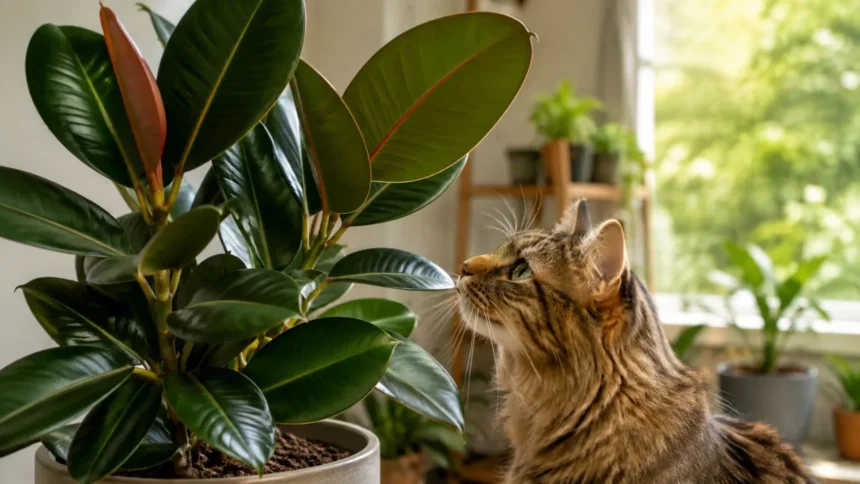
Rubber plants are popular indoor plants because of their large, glossy leaves, attractive appearance, and relatively simple care requirements. However, cat owners must consider more than appearance before bringing a new houseplant into their homes. Curious cats may bite leaves, play with stems, dig through soil, or rub against damaged parts of the plant.
The answer to “Are rubber plants toxic to cats?” depends partly on which plant is being called a rubber plant. The common rubber tree, scientifically known as Ficus elastica, contains an irritating milky sap that can cause uncomfortable symptoms in cats. Other members of the Ficus family may present similar risks when chewed or handled.
Confusion occurs because several unrelated houseplants share names such as rubber plant, rubber tree, Indian rubber plant, and baby rubber plant. Some of these plants are considered toxic or irritating, while others are generally regarded as non-toxic to cats. Checking the scientific name is therefore more reliable than trusting the common name on a shop label.
This guide explains rubber plant toxicity in cats, possible poisoning symptoms, immediate safety steps, and practical ways to create a cat-friendly indoor garden. It will also help you distinguish a potentially harmful Ficus from the pet-safe baby rubber plant often sold under a similar name.
The Direct Answer: Are Rubber Plants Toxic to Cats?
Yes, the common rubber plant, or Ficus elastica, is considered toxic or irritating to cats. Its leaves and stems contain a sticky, white sap that can irritate a cat’s mouth, skin, and digestive system. A cat may be exposed by biting the plant, licking broken leaves, or grooming sap from its fur.
Rubber plant poisoning is generally associated with irritation rather than the severe organ damage caused by highly dangerous plants such as true lilies. Even so, the reaction can be painful and distressing for a cat. Drooling, vomiting, mouth discomfort, and reduced appetite should never be ignored simply because the plant is described as mildly toxic.
The level of risk may depend on how much plant material was eaten, how much sap was released, and the individual cat’s health. Kittens, older cats, and cats with existing medical conditions may be more vulnerable to dehydration or complications following repeated vomiting. A small nibble may cause limited irritation, but there is no guaranteed safe amount.
Cat owners should treat any suspected exposure seriously and contact a veterinarian for individual advice. The plant should be moved out of reach immediately, and the cat should be observed closely for changes in behavior. Early professional guidance can prevent unnecessary discomfort and help owners recognize when treatment is required.
Why Rubber Plants Can Irritate Cats
The main concern with a rubber tree plant is the milky latex-like sap found inside its leaves and stems. This sap is released when the plant is bitten, scratched, cut, or damaged. It contains naturally occurring compounds that protect the plant but may irritate sensitive tissues in a cat’s mouth and digestive tract.
When a cat bites into a leaf, the sap may stick to the tongue, gums, lips, and surrounding fur. This contact can produce a burning or unpleasant sensation that causes drooling, lip smacking, pawing at the mouth, or sudden refusal to eat. Some cats may run away from the plant immediately because of its bitter taste and irritating texture.
If plant material or sap is swallowed, irritation may continue in the stomach and intestines. The cat may develop nausea, vomiting, diarrhea, abdominal discomfort, or a temporary loss of appetite. Symptoms are often related to local irritation, but persistent digestive problems can lead to dehydration and weakness.
Sap exposure is not limited to chewing the plant. A cat may brush against a freshly broken stem, step in leaked sap, and later swallow it while grooming. For this reason, pruning or propagating a rubber plant should be done in an area that cats cannot enter, and spilled sap should be cleaned promptly.
How to Identify the Right Rubber Plant
The most common indoor rubber tree is Ficus elastica, a tropical plant with thick, oval leaves and a strong upright stem. Its leaves may be deep green, burgundy, reddish-black, or variegated with cream and pink. When a leaf or stem is damaged, the plant usually releases a sticky white sap.
Popular Ficus elastica varieties include Burgundy, Robusta, Tineke, Ruby, and Abidjan. Although their leaf colors and patterns differ, they belong to the same plant species and should be treated as potentially irritating to cats. A variegated rubber plant is not safer simply because its leaves look different.
The name Indian rubber plant may also be used for certain Ficus plants, including Ficus benjamina, commonly known as the weeping fig. Members of the Ficus genus generally contain irritating sap and should be kept away from cats. Checking the botanical name helps prevent mistakes caused by inconsistent nursery labels.
The baby rubber plant, Peperomia obtusifolia, is a different species and is generally considered non-toxic to cats. It has smaller, rounded, fleshy leaves and a more compact growth habit than a rubber tree. A label showing Peperomia obtusifolia identifies the pet-friendlier plant, while a label beginning with Ficus signals greater caution.
Symptoms of Rubber Plant Poisoning in Cats
One of the earliest signs of rubber plant exposure is excessive drooling. A cat may also lick its lips repeatedly, shake its head, paw at its face, or appear uncomfortable when swallowing. These behaviors can begin soon after the irritating sap touches the mouth.
Vomiting is another common symptom when leaves or sap have been swallowed. The cat may retch, refuse food, or show signs of nausea such as hiding and sitting in a hunched position. Mild diarrhea or softer stools may also occur as the digestive tract reacts to the plant material.
Sap on the skin can cause redness, itching, or localized irritation, particularly around the lips, nose, paws, or areas with thin fur. A cat may scratch, overgroom, or rub its face against furniture. Eye exposure can be especially uncomfortable and should receive prompt veterinary attention.
More concerning signs include repeated vomiting, marked lethargy, weakness, facial swelling, breathing difficulty, collapse, or an inability to keep water down. These symptoms are not typical of a minor exposure and may indicate a stronger reaction, dehydration, or another medical problem. Immediate veterinary care is appropriate whenever symptoms are severe or worsening.
What to Do If Your Cat Ate a Rubber Plant
First, calmly remove your cat from the area and place the plant somewhere completely inaccessible. Look for bitten leaves, broken stems, spilled sap, or plant fragments around the mouth. This information can help you estimate the possible exposure, although you should not delay professional advice while trying to calculate an exact amount.
Gently remove any loose plant pieces that are clearly visible and easy to reach. Sap around the lips or paws may be carefully wiped away with a clean, damp cloth, but do not force water into the cat’s mouth. Avoid putting your fingers deep into the mouth of a frightened or distressed cat.
Contact your veterinarian, an emergency veterinary clinic, or an animal poison service and provide the plant’s scientific name when possible. Explain when the exposure happened, which part was eaten, how much may be missing, and whether symptoms have started. A photograph of the plant and its label can make identification easier.
Do not try to make your cat vomit at home unless a veterinarian specifically directs you to do so. Hydrogen peroxide, salt, oils, milk, and other internet remedies can cause additional harm or delay proper treatment. Follow the professional instructions you receive and continue monitoring your cat closely.
When Rubber Plant Exposure Becomes an Emergency
A cat that takes one small bite and remains comfortable may not require the same treatment as a cat that swallowed several leaves. Nevertheless, owners should speak with a veterinary professional because symptoms may not always be immediately obvious. A quick consultation can determine whether home observation is appropriate.
Repeated vomiting is a reason to seek urgent care because cats can become dehydrated quickly. Refusing food and water, becoming unusually quiet, hiding continuously, or appearing weak also deserves prompt attention. Young kittens and cats with kidney, digestive, or other health problems may require earlier evaluation.
Difficulty breathing, severe facial swelling, collapse, tremors, or loss of coordination should always be treated as emergencies. Eye exposure also needs timely care because sap may cause significant irritation. Transport the cat to an emergency clinic rather than waiting for the symptoms to resolve on their own.
Bring the plant label, a photograph, or a securely contained sample to the clinic when practical. Do not allow the cat to chew more leaves while collecting the sample. Clear identification helps the veterinary team distinguish rubber plant irritation from exposure to a more dangerous toxic houseplant.
How Much Rubber Plant Is Dangerous to a Cat?
There is no established amount of rubber plant that can be described as completely safe for every cat. Some cats may experience noticeable irritation after only biting a leaf, while others may show few signs following limited contact. The amount of sap released can matter as much as the amount of plant material swallowed.
A tiny taste may cause temporary drooling or mouth discomfort because the sap directly touches sensitive tissues. Eating a larger portion increases the likelihood of vomiting, diarrhea, reduced appetite, and dehydration. Chewing several damaged leaves may also expose the cat to more sap than swallowing one intact fragment.
Body size, age, sensitivity, and existing health conditions can influence the reaction. A small kitten may be affected more significantly by fluid loss than a healthy adult cat. Cats with chronic digestive disease may also have more difficulty recovering from repeated vomiting or appetite loss.
Owners should avoid using the size of the missing leaf as the only measure of risk. The safest response is to identify the plant, contact a veterinarian, and watch for symptoms. Prompt advice is especially important when the amount eaten is unknown or the cat was left alone with the plant.
Can Cats Recover From Rubber Plant Poisoning?
Most cats with mild rubber plant exposure are expected to recover well when the plant is removed and symptoms are managed appropriately. The irritating compounds usually cause temporary mouth, skin, or digestive discomfort rather than lasting damage. Recovery time varies according to the amount swallowed and the severity of the reaction.
A veterinarian may recommend observation when exposure was minimal and the cat remains symptom-free. Cats experiencing nausea or vomiting may need medication, hydration support, or other treatments. The goal is to relieve discomfort, prevent dehydration, and ensure that a more serious condition is not being overlooked.
Owners should monitor eating, drinking, litter box use, activity level, and behavior during recovery. A cat that continues refusing food or repeatedly vomits needs further veterinary attention. Prolonged appetite loss can create additional health risks in cats, even when the original plant exposure was considered mild.
After the cat recovers, the rubber plant should not be returned to an accessible location. Cats often repeat behaviors, particularly when they enjoy chewing leaves or digging in pots. Preventing another exposure is more reliable than assuming the unpleasant taste will stop the cat next time.
How to Keep Cats Away From Rubber Plants
The most dependable solution is to remove the rubber plant from a cat-accessible home or place it inside a room that remains closed. High shelves are not always safe because many cats can climb, jump, or knock objects down. Hanging baskets may also fail when leaves grow long enough to become reachable.
Glass plant cabinets can provide a secure option for owners who want to keep both cats and tropical houseplants. The cabinet should have proper airflow, stable shelves, and doors that cannot be opened by curious paws. Any fallen leaves should be removed before they can escape the enclosed area.
Providing safe alternatives may reduce a cat’s interest in decorative plants. Cat grass, appropriate enrichment toys, climbing furniture, and regular interactive play can redirect chewing and exploration. However, safe distractions should support physical barriers rather than replace them.
Avoid relying on essential oils, strong homemade sprays, chili powder, or other harsh deterrents. Some substances used to repel cats can irritate them or create additional toxicity risks. Physical separation and pet-safe environmental enrichment remain the safer long-term strategies.
Pet-Safe Alternatives to Rubber Plants
The baby rubber plant, or Peperomia obtusifolia, is one of the closest pet-friendly alternatives in appearance. It has glossy, rounded leaves and a compact shape that works well on desks, shelves, and windowsills. Despite its common name, it is not a true Ficus rubber tree.
Calatheas and prayer plants provide decorative foliage without the same Ficus sap concern. Their patterned leaves can add color and visual interest to indoor spaces. They may require more consistent humidity and watering, but they are popular options for homes shared with cats.
Parlor palms, areca palms, spider plants, and many varieties of true ferns are also commonly chosen for pet-friendly interiors. Plant identification remains essential because similar common names can refer to different species. For example, a true palm and a sago palm are not equally safe.
Even non-toxic plants may cause mild stomach upset if a cat eats a large amount of foliage. Soil, fertilizer, pesticides, decorative moss, and plant supports can introduce separate hazards. Cat-safe plant ownership therefore includes checking the entire potting setup, not only the leaves.
Why Cats Chew Rubber Plant Leaves
Cats may investigate rubber plants because the broad leaves move, reflect light, and create interesting textures. A dangling or newly unfurled leaf can resemble a toy, especially to a kitten. Chewing does not necessarily mean that the cat is hungry or intentionally seeking plant material.
Boredom and limited environmental stimulation can increase destructive chewing. Indoor cats need opportunities to climb, scratch, chase, hide, and explore safely. Without appropriate outlets, a houseplant may become one of the most interesting objects in the room.
Some cats are attracted to potting soil rather than the plant itself. They may dig, sleep in large pots, or investigate insects moving through the soil. Once the cat reaches the pot, accidental contact with damaged leaves or sap becomes more likely.
Blocking access while improving enrichment addresses both the immediate danger and the reason behind the behavior. Daily play sessions, food puzzles, window perches, scratching posts, and safe cat grass can make toxic houseplants less tempting. Persistent chewing should also be discussed with a veterinarian.
Is Rubber Plant Sap Harmful to a Cat’s Skin?
Rubber plant sap may irritate a cat’s skin, especially around the face, paws, and areas with thin or damaged fur. Contact can occur when a cat rubs against a broken stem or walks through sap that has dripped onto the floor. Grooming then creates a second route of exposure through the mouth.
Possible skin symptoms include redness, itching, excessive licking, and localized discomfort. The cat may rub its face, shake a paw, or repeatedly groom one area. Thick fur can make mild redness difficult to see, so behavioral changes may be the first clue.
Visible sap can be gently removed with a damp cloth while veterinary advice is obtained. Do not apply alcohol, essential oils, household cleaners, or human skin creams to the affected area. These products may worsen irritation or become harmful when the cat licks its fur.
Contact a veterinarian if the irritation continues, the skin becomes swollen, or sap has entered the eyes. Prevent future contact by cleaning pruning tools, surfaces, and floors immediately after working with a rubber plant. Wearing gloves can also prevent sap from being transferred from your hands to your cat.
Should You Keep a Rubber Plant in a Home With Cats?
Keeping a rubber plant in a home with cats requires an honest assessment of the environment. A separate locked plant room or secure cabinet may reduce the risk substantially. An open shelf, windowsill, or plant stand usually does not provide dependable protection from an active cat.
Cats that ignore plants may still become interested after a pot is moved, a new leaf appears, or a stem breaks. Visitors, children, or routine cleaning can also leave doors open and make a previously inaccessible plant available. Safety arrangements therefore need to remain effective during everyday household activity.
For many cat owners, replacing the rubber tree with a non-toxic alternative provides greater peace of mind. A baby rubber plant can offer a similar glossy appearance without belonging to the irritating Ficus genus. The botanical label should still be checked before purchase.
A beautiful indoor garden should not depend on constant supervision to remain safe. When reliable separation is impossible, removing the toxic plant is the most practical choice. Protecting a cat from preventable exposure is more important than keeping a particular decorative species.
Final Thoughts on Rubber Plants and Cat Safety
The common rubber plant, Ficus elastica, is toxic or irritating to cats because its milky sap can affect the mouth, digestive system, skin, and eyes. Exposure may lead to drooling, vomiting, diarrhea, mouth discomfort, reduced appetite, or skin irritation. Symptoms can vary between individual cats.
The name rubber plant can be misleading because it is applied to more than one species. Ficus elastica and other Ficus plants should be treated with caution, while Peperomia obtusifolia, commonly called the baby rubber plant, is generally considered non-toxic. Scientific names provide the clearest identification.
When a cat bites a rubber plant, remove access, check for visible plant material, and contact a veterinarian or animal poison professional. Do not induce vomiting or use unapproved home remedies. Urgent care is needed for repeated vomiting, breathing problems, severe swelling, weakness, or worsening symptoms.
Prevention remains the simplest approach to rubber plant toxicity in cats. Secure plant cabinets, closed rooms, safe alternatives, and appropriate feline enrichment can reduce risk. A cat-friendly home can still contain beautiful greenery when every plant is carefully identified and placed.
Frequently Asked Questions
Are rubber plant leaves poisonous to cats?
Yes, leaves from Ficus elastica contain irritating sap that can cause drooling, vomiting, mouth discomfort, diarrhea, and reduced appetite. Contact your veterinarian after suspected chewing.
What happens when a cat licks rubber plant sap?
The sap may irritate the lips, tongue, gums, skin, or digestive tract. Affected cats may drool, lick their lips, paw at their mouths, vomit, or groom excessively.
Is a baby rubber plant toxic to cats?
The baby rubber plant, Peperomia obtusifolia, is generally considered non-toxic to cats. It is unrelated to the true rubber tree, Ficus elastica, despite sharing a similar common name.
Should I take my cat to the vet after eating a rubber plant?
Contact a veterinarian for advice even when symptoms appear mild. Seek urgent care for repeated vomiting, breathing difficulty, facial swelling, weakness, eye exposure, or an unknown amount of ingestion.
Can I keep a rubber tree where my cat cannot reach it?
A locked room or secure plant cabinet may provide protection, but an open high shelf is unreliable because cats can climb and jump. Replacing it with a pet-safe plant is usually safer.
