

How to Heal a Calf Strain Quickly and Safely
A calf strain happens when muscle fibers in the back of your lower leg become overstretched or torn. It commonly occurs during running, jumping, sudden acceleration, or unexpected movements. Understanding how to heal a calf strain quickly can help you manage discomfort, protect the injured muscle, and support a safer recovery.
The fastest approach to calf strain recovery is not forcing the muscle to work harder. Instead, early protection, appropriate movement, and gradual rehabilitation help create suitable conditions for healing. The amount of time needed depends on the injury’s severity, your symptoms, and how well the muscle responds to activity.
Many mild calf strains improve with conservative care, while more serious injuries require professional assessment and rehabilitation. Knowing when to rest, how to manage swelling, and when to restart exercise can prevent unnecessary setbacks. This guide explains practical recovery methods, common mistakes, and important warning signs.
What Is a Calf Strain?
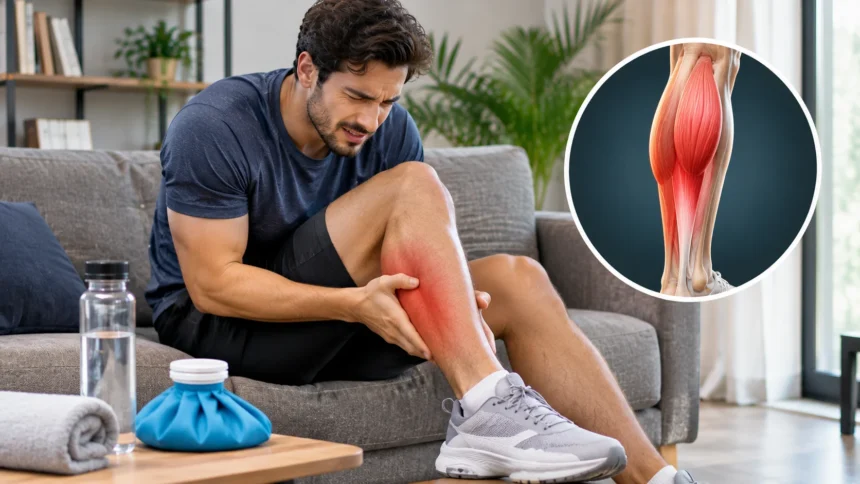
A calf strain is an injury involving overstretched or damaged muscle fibers in the lower leg. The calf contains two major muscles called the gastrocnemius and soleus, which work together during walking and other movements. These muscles help lift the heel, stabilize the ankle, and generate force when pushing off the ground.
The gastrocnemius is the larger, more visible calf muscle that crosses both the knee and ankle joints. It is particularly active during powerful movements such as sprinting and jumping. The deeper soleus muscle contributes to ankle movement and supports activities such as standing, walking, and steady running.
A strain can affect either muscle, although the injury pattern depends on the activity involved. Damage may range from minor fiber irritation to a substantial muscle tear. Recognizing the nature of the injury helps determine whether basic home care is appropriate or professional treatment is necessary.
Common Causes of a Pulled Calf Muscle
Calf muscle strains often develop when the lower leg experiences more force than its muscles can comfortably manage. Sudden sprinting, jumping, quick directional changes, and forceful pushing movements are common triggers. These activities can place substantial stress on the gastrocnemius and soleus muscles.
A rapid increase in exercise intensity or training volume may also contribute to calf injuries. Muscles that have not adapted to a particular workload can become more vulnerable to excessive strain. Inadequate recovery, previous injuries, and reduced calf strength may increase the likelihood of problems.
Sometimes a calf strain happens during ordinary activities rather than organized exercise. Stepping awkwardly, slipping, or suddenly accelerating can overload the muscle. Understanding what caused the injury can help you make practical adjustments during rehabilitation and when returning to regular activities.
Signs and Symptoms of a Calf Muscle Strain
The most common calf strain symptom is pain in the back of the lower leg. Discomfort may develop suddenly during physical activity or become noticeable afterward. Some people describe a pulling sensation, tenderness, or sharp pain when pushing off the affected foot.
Swelling, stiffness, and difficulty walking can also occur, especially with more significant muscle damage. Bruising may appear around the injured area as the injury develops. You might notice reduced strength when trying to raise your heel or stand on your toes.
Calf pain does not always indicate a muscle strain, even when symptoms follow exercise. Blood clots, Achilles tendon injuries, and other conditions can cause similar discomfort. Sudden swelling, warmth, redness, or unexplained calf pain deserves medical assessment rather than assuming the problem is muscular.
Understanding the Three Grades of Calf Strains
Healthcare professionals commonly classify muscle strains into three grades based on their severity. A Grade 1 calf strain involves relatively minor muscle fiber damage and usually causes mild discomfort. People with this injury may still walk comfortably, although certain movements can produce tenderness.
A Grade 2 calf strain involves a partial muscle tear with more noticeable pain and weakness. Swelling, bruising, and difficulty performing normal activities may develop. These injuries generally require more recovery time and may benefit from structured rehabilitation under professional guidance.
A Grade 3 calf strain involves a complete or nearly complete muscle tear and significant functional loss. Severe pain may occur initially, and walking or pushing off the foot can become difficult. These injuries require prompt medical evaluation to determine appropriate treatment and rehabilitation needs.
What to Do During the First 24 to 48 Hours
The early stage of a calf strain requires protecting the injured muscle from further damage. Stop the activity that caused the pain and avoid movements that repeatedly reproduce symptoms. Relative rest allows you to remain gently active within comfortable limits without placing unnecessary stress on the calf.
A cold pack may temporarily reduce pain during the first day or two. Wrap it in a towel rather than placing it directly against your skin, and use brief applications of around 10–20 minutes. Avoid falling asleep with the cold pack against your leg.
Gentle compression and elevation may help manage swelling and discomfort. An elastic bandage should feel supportive without causing numbness, tingling, or changes in foot color. Avoid aggressive stretching, deep massage, and strenuous exercise during the early stage of recovery.
How Rest Helps a Calf Strain Recover
Rest is important after a calf injury because damaged muscle fibers need time to begin repairing. Continuing activities that cause significant pain may worsen the injury or delay recovery. However, complete inactivity for an extended period can contribute to unnecessary stiffness and weakness.
Relative rest means temporarily reducing activities that place excessive strain on the injured calf. For example, you may need to pause running while continuing comfortable household walking. The appropriate activity level depends on pain, swelling, walking ability, and the seriousness of the injury.
As symptoms settle, gradual movement can help restore normal muscle function. Begin with comfortable everyday activities before progressing to demanding exercises. If walking remains painful or your symptoms worsen despite reduced activity, seek professional guidance rather than forcing yourself through discomfort.
Using Ice, Compression, and Elevation
Ice, compression, and elevation are commonly used to manage symptoms following a calf strain. These methods may reduce discomfort and help control swelling during the early recovery period. They are supportive measures rather than treatments that directly repair damaged muscle fibers.
Cold therapy should be used carefully, especially if you have reduced skin sensation or circulation problems. Compression sleeves or elastic bandages may provide support, but they should never restrict blood flow. Remove compression if your foot becomes cold, numb, discolored, or unusually uncomfortable.
Elevating your lower leg while resting can help reduce swelling in some cases. Place the leg in a supported, comfortable position without forcing the knee or ankle. If swelling is substantial, unexplained, or accompanied by warmth and redness, seek medical assessment instead of relying only on home remedies.
Should You Stretch a Strained Calf Muscle?
Stretching a strained calf too aggressively can increase discomfort and place additional tension on healing tissue. During the first few days, it is generally better to avoid forceful stretching that reproduces pain. The injured muscle needs protection while early repair processes begin.
When pain and swelling improve, gentle ankle movements may help restore comfortable mobility. Slowly moving the foot upward and downward within a pain-free range can be an appropriate starting point. More specific calf stretches should be introduced gradually, ideally with guidance when the injury is significant.
Stretching should never involve bouncing, sharp pain, or attempts to force the muscle beyond its current limits. A mild sensation of tension may be acceptable later in rehabilitation, but discomfort should remain manageable. If symptoms increase afterward, reduce the intensity and reassess your approach.
Gentle Exercises That May Support Calf Recovery
Gentle rehabilitation exercises can help restore mobility, strength, and confidence after the initial painful stage. However, the correct exercises depend on the strain’s severity and recovery progress. Starting demanding movements too early can irritate healing tissue and delay your return to normal activity.
Comfortable ankle pumps are often an accessible early movement when a clinician considers activity appropriate. While seated, slowly move your foot upward and downward without forcing the injured calf. This encourages ankle mobility while allowing you to control the movement and stop if discomfort increases.
As walking becomes comfortable, a physical therapist may introduce gentle calf contractions or supported strengthening exercises. The goal is to rebuild the muscle’s ability to tolerate everyday demands. Progression should depend on movement quality, symptoms, and functional ability rather than following a rigid schedule.
How Long Does a Calf Strain Take to Heal?
Calf strain recovery time depends on the amount of muscle damage and individual healing factors. Mild Grade 1 strains may improve within one to three weeks. More significant injuries often require several weeks or longer before the muscle can tolerate demanding activities.
A Grade 2 strain may take approximately three to six weeks or more to recover. Severe Grade 3 injuries can require several months of treatment and rehabilitation. These are general estimates, and returning to exercise should depend on functional recovery rather than the calendar alone.
Age, previous injuries, overall health, and rehabilitation consistency may influence the healing process. Pain sometimes improves before the injured muscle has regained its normal strength. Therefore, feeling better does not automatically mean the calf is ready for sprinting, jumping, or other demanding movements.
When Can You Start Walking and Exercising Again?
Walking can often resume gradually when the injured calf tolerates movement without significant pain or worsening swelling. Begin with short, comfortable distances and avoid forcing a normal walking pattern. If you are limping noticeably, additional rest or professional assessment may be necessary.
As recovery progresses, rehabilitation should focus on restoring ankle mobility, calf strength, and balance. A qualified professional may introduce supported heel raises and other progressive exercises. Each activity should be adjusted according to your symptoms and the muscle’s ability to tolerate increasing demands.
Returning to running or sports requires greater caution than resuming ordinary walking. You should generally have comfortable movement, restored strength, and the ability to perform relevant activities without significant symptoms. A healthcare professional or physical therapist can help determine when higher-intensity exercise is appropriate.
Warning Signs That Need Medical Attention
Not every painful calf requires extensive medical treatment, but certain symptoms should never be ignored. Seek prompt assessment if you experience severe pain, substantial swelling, or difficulty bearing weight. A sudden snapping sensation or major loss of strength may indicate a serious muscle or tendon injury.
Unexplained one-sided calf swelling, warmth, redness, or tenderness can sometimes indicate deep vein thrombosis rather than a muscle strain. This condition requires urgent medical assessment because a blood clot can cause serious complications. Sudden shortness of breath, chest pain, or coughing up blood requires emergency medical care.
You should also seek medical advice if symptoms continue worsening or fail to improve with appropriate care. Persistent weakness, recurring injuries, or unusual bruising may require further evaluation. Early diagnosis helps distinguish a simple muscle strain from conditions needing different treatment.
How to Prevent Another Calf Strain
Preventing future calf strains involves gradually preparing your muscles for the activities you enjoy. Sudden increases in running speed, distance, or jumping intensity can place excessive demands on the calf. Building activity levels progressively gives muscles more opportunity to adapt.
Regular strength training can improve the calf’s ability to tolerate everyday and athletic movements. Appropriate exercises may include supported heel raises, balance activities, and progressive resistance training. A qualified professional can help select suitable exercises after an injury and adjust them to your current abilities.
Warming up before demanding exercise and allowing sufficient recovery between challenging sessions may also reduce injury risk. Comfortable footwear and attention to running or exercise technique can support movement quality. No prevention method eliminates every injury, but sensible training habits can reduce avoidable strain.
Conclusion
Learning how to heal a calf strain quickly begins with protecting the injured muscle and understanding the importance of gradual recovery. Relative rest, appropriate symptom management, and gentle movement can support healing. Avoiding painful activities during the early stages helps reduce unnecessary stress on damaged muscle fibers.
Recovery time varies depending on the injury’s severity and your response to rehabilitation. Mild strains may improve within a few weeks, while more serious injuries can require substantially longer. Returning to demanding exercise too early may increase the likelihood of another injury.
The safest recovery approach combines patience, suitable rehabilitation, and attention to warning signs. Seek medical assessment when symptoms are severe, unexplained, or worsening. With appropriate care and progressive strengthening, many people can return to their usual activities and rebuild confidence in their movement.
Frequently Asked Questions
What is the fastest way to heal a calf strain?
The fastest safe approach involves relative rest, avoiding painful activities, managing swelling, and gradually restoring movement. Healing cannot be rushed, and more serious calf strains may require professional rehabilitation.
Is walking good for a pulled calf muscle?
Gentle walking may help during recovery if it does not cause significant pain or worsen symptoms. Avoid long distances or limping through discomfort, and gradually increase activity as your calf improves.
Should I massage a strained calf muscle?
Avoid deep massage during the early stage of an acute calf strain because it may increase discomfort. Seek professional advice before massage, especially if swelling, warmth, or unexplained pain is present.
How do I know if my calf strain is serious?
Severe pain, substantial swelling, bruising, weakness, or difficulty walking may indicate a more serious injury. Sudden unexplained calf swelling or redness also needs urgent assessment to rule out a blood clot.
Can a calf strain heal without physical therapy?
Many mild calf strains improve with appropriate home care and gradual activity. However, moderate or severe injuries, persistent symptoms, and recurring strains may benefit from professional assessment and structured physical therapy.
