

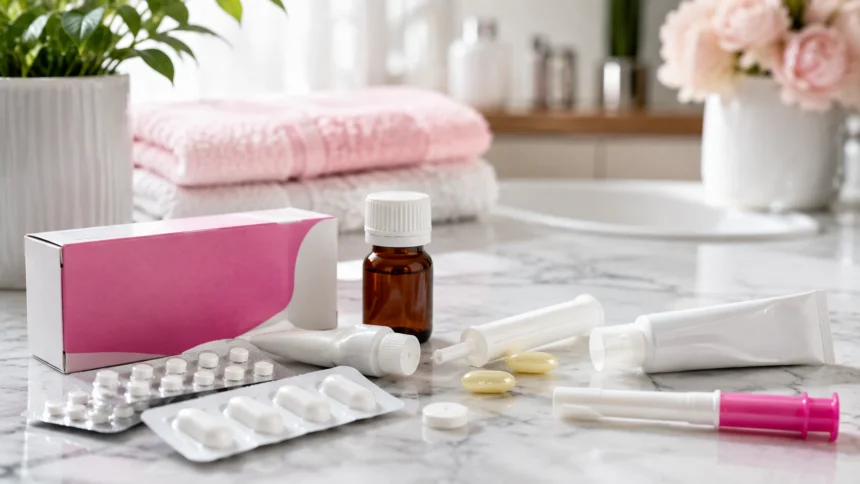
Yeast Infection Medicine: Best Treatment Options
A yeast infection is a common fungal infection that can cause intense itching, burning, soreness, redness, and changes in vaginal discharge. Vaginal yeast infections, medically called vulvovaginal candidiasis, usually develop when Candida yeast grows beyond its normal level in the vaginal environment. Many uncomplicated infections can be treated successfully with antifungal medicine available over the counter or by prescription. However, symptoms that seem like a yeast infection can sometimes come from bacterial vaginosis, sexually transmitted infections, dermatitis, or other conditions. Choosing the right yeast infection medicine therefore begins with understanding whether Candida is actually causing the symptoms. Correct treatment usually brings relief while reducing unnecessary medication use and repeated irritation.
Several antifungal treatment options are available, including vaginal creams, suppositories, tablets, and prescription oral medicine. Common over-the-counter products contain azole antifungals such as miconazole or clotrimazole, while clinicians may prescribe fluconazole or longer treatment courses when appropriate. The best option depends on whether the infection is uncomplicated, recurrent, severe, associated with pregnancy, or caused by a less common Candida species. Some people improve quickly with short-course treatment, whereas others need a longer regimen and medical evaluation. Using an antifungal simply because itching is present is not always the safest approach. Symptoms, medical history, pregnancy status, recurrence pattern, and previous response to treatment all matter.
This guide explains the major medicines used for vaginal yeast infections, how topical and oral treatments differ, what to expect during therapy, and when professional care is important. It also covers recurrent yeast infections, pregnancy, medication safety, common treatment mistakes, and symptoms that should not be self-treated. The information is intended to help readers understand treatment choices rather than diagnose themselves or replace individualized medical advice. People with diabetes, weakened immune systems, recurrent symptoms, severe infection, or uncertain diagnosis may need a different approach from someone with a familiar uncomplicated infection. Knowing these distinctions makes yeast infection treatment both more effective and safer.
What Is a Vaginal Yeast Infection?
A vaginal yeast infection occurs when Candida organisms multiply excessively in the vagina and surrounding vulvar area. Candida can normally live on the body without causing symptoms, so its presence alone does not always mean an infection is occurring. Problems develop when changes in the local environment allow yeast to overgrow and trigger inflammation. The most common cause is Candida albicans, although other Candida species can sometimes be involved. Symptoms may range from mild irritation to substantial swelling and discomfort. Because different vaginal conditions produce overlapping symptoms, the presence of itching or discharge does not automatically confirm a yeast infection.
Typical symptoms include significant vulvar itching, burning, tenderness, redness, and discomfort during urination when urine contacts irritated external tissue. Some people also experience pain during sexual activity because inflamed tissue becomes sensitive to friction. Vaginal discharge associated with candidiasis is often described as thick and white, but appearance can vary considerably. Some people have little noticeable discharge, while others develop more obvious changes. A strong fishy odor is not considered a classic feature of an uncomplicated yeast infection and may suggest another cause. Symptoms should therefore be considered as a pattern rather than judged by discharge appearance alone.
Several circumstances can make vaginal yeast overgrowth more likely. Antibiotic use is a common trigger because antibacterial medicines can alter the normal vaginal bacteria that help keep Candida growth under control. Pregnancy, poorly controlled diabetes, hormonal changes, and certain immune conditions can also increase susceptibility. Some people develop infections without any obvious trigger, which can be frustrating but is not unusual. Tight clothing, hygiene products, and irritation may worsen symptoms without necessarily being the underlying cause. Understanding risk factors can be helpful, but having one risk factor does not prove that current symptoms are caused by yeast.
Vaginal candidiasis is not generally classified as a sexually transmitted infection, although sexual activity can sometimes contribute to irritation or changes that coincide with symptoms. Routine treatment of a sexual partner is not usually required for uncomplicated infections when the partner has no symptoms. However, a partner who develops genital redness, itching, or irritation should seek appropriate medical advice rather than automatically using another person’s medication. Sexual activity may feel uncomfortable while inflammation is present, and some vaginal antifungal products can weaken latex condoms or diaphragms temporarily. Product instructions should therefore be checked when barrier contraception is being used.
The distinction between uncomplicated and complicated yeast infections influences treatment. An uncomplicated infection generally involves mild to moderate symptoms, occurs infrequently, and is usually caused by Candida albicans in an otherwise healthy person. Complicated cases can involve severe inflammation, repeated infections, pregnancy, uncontrolled diabetes, immune suppression, or Candida species that respond differently to standard therapy. These situations may need longer treatment or laboratory testing to confirm the organism. Repeatedly purchasing over-the-counter medicine without confirming the diagnosis can delay appropriate care. When symptoms do not behave like a typical familiar infection, professional evaluation becomes more important.
Best Over-the-Counter Yeast Infection Medicines
Over-the-counter vaginal antifungal medicines are commonly used for uncomplicated yeast infections, particularly when someone has previously been diagnosed and recognizes the same familiar symptoms. Most of these treatments belong to a group of antifungal medicines called azoles. Common active ingredients include miconazole and clotrimazole, which interfere with fungal cell membranes and prevent Candida from growing normally. Products may come as vaginal creams, suppositories, or ovules inserted into the vagina. Some packages also contain external cream for vulvar itching. These medicines can be effective when candidiasis is truly the cause, but they should not be used repeatedly for unexplained vaginal symptoms.
Over-the-counter products are available in different treatment lengths, often ranging from short courses to approximately seven days. A shorter course may seem more convenient, but the shortest treatment is not automatically the best choice for every person. Higher medication concentrations are often used in shorter regimens, which can occasionally produce more local burning or irritation. Longer courses expose Candida to antifungal medicine over several days and may be preferable in certain circumstances. Following the exact product directions is important because the amount and duration differ by formulation. Stopping treatment early simply because symptoms improve can reduce the chance of complete resolution.
Miconazole is one of the most recognizable nonprescription yeast infection medicines. Depending on the formulation, it may be supplied as a vaginal suppository or cream used for one, three, or seven days. Some products include a lower-strength external cream that can be applied to itchy vulvar skin according to package directions. Temporary burning, irritation, or discomfort can occur after insertion, particularly when the tissue is already inflamed. Significant worsening, rash, swelling, or pain should not simply be ignored. If symptoms become substantially worse after applying medication, medical advice can help determine whether irritation or an incorrect diagnosis is responsible.
Clotrimazole is another azole antifungal commonly used to treat Candida infections. Vaginal formulations are available in some countries without prescription, while availability and strengths differ depending on local regulations. Like miconazole, clotrimazole works locally and generally produces relatively little whole-body exposure compared with an oral antifungal. This local approach can be useful for people who want to avoid systemic medication or who cannot take certain oral treatments. However, vaginal products can be messy and may require treatment on consecutive nights. Completing the recommended course is more important than selecting a product solely because it appears more convenient.
People should be cautious about repeatedly using over-the-counter antifungals whenever itching returns. Studies of real-world self-treatment have repeatedly shown that people can mistake other vaginal conditions for yeast infections because symptoms overlap. Bacterial vaginosis, sexually transmitted infections, allergic reactions, vulvar skin conditions, and urinary problems can all cause discomfort. If this is the first suspected yeast infection, symptoms are unusual, treatment fails, or infections keep returning, getting evaluated is preferable to repeatedly changing brands. Over-the-counter medicine works best when the diagnosis is reasonably certain. More treatment is not necessarily better when the underlying condition is something else.
Prescription Fluconazole for Yeast Infections
Fluconazole is a prescription oral antifungal commonly used for vaginal candidiasis in appropriate patients. Instead of being applied directly inside the vagina, the medicine is swallowed and absorbed into the bloodstream, allowing it to act systemically against susceptible Candida. For an uncomplicated infection, clinicians may use a single oral dose, although the exact regimen depends on the situation and individual medical factors. Many people prefer oral treatment because it avoids vaginal creams or suppositories. Convenience, however, does not make fluconazole appropriate for everyone. Pregnancy, drug interactions, liver conditions, heart rhythm concerns, and recurrent infections may influence whether another treatment is safer.
Fluconazole can cause side effects such as headache, nausea, stomach discomfort, diarrhea, or dizziness in some people. More serious reactions are uncommon but possible, including severe allergic responses, liver problems, and certain abnormal heart rhythms in susceptible individuals. Medication interactions are an important consideration because fluconazole can affect how several other drugs are processed in the body. A clinician or pharmacist should therefore know about prescription medicines, over-the-counter drugs, and relevant supplements being taken. People should not use leftover fluconazole prescribed for a previous episode without medical guidance. A new episode may have a different cause or require a different treatment plan.
Symptoms may not disappear immediately after taking oral antifungal medicine. It can take several days for itching, inflammation, and discharge to improve even when the treatment is working. Continuing irritation during the first day does not necessarily mean the medicine has failed. However, symptoms that remain unchanged, significantly worsen, or return soon after treatment should be reassessed. Additional doses should not be taken independently simply to speed up relief. Severe candidiasis sometimes requires a longer or repeated regimen, but that decision depends on diagnosis and clinical circumstances. More frequent dosing also increases exposure to side effects and medication interactions.
Fluconazole deserves particular caution during pregnancy. Oral fluconazole is generally not the preferred self-treatment for vaginal yeast infection during pregnancy, and pregnant people should speak with their prenatal clinician before using antifungal medication. Topical azole therapy used for an appropriate duration is commonly preferred because systemic exposure is lower. Medication decisions during pregnancy should take gestational stage, symptoms, medical history, and other treatments into account. Anyone who could be pregnant should mention that possibility when requesting treatment. A familiar medicine that was appropriate before pregnancy may not be the best option during pregnancy.
Oral treatment is also not automatically superior to topical antifungal therapy. Both approaches can be effective for uncomplicated Candida albicans infections when used correctly. Some people prefer the simplicity of a pill, while others prefer local treatment because it reduces systemic drug exposure. Vaginal medication may cause local discomfort or inconvenience, whereas oral medication can produce systemic side effects and drug interactions. The best choice therefore depends on personal preferences and medical factors rather than a universal ranking. A clinician can help choose between them when health conditions, other medicines, pregnancy, or recurrent infections complicate the decision.
How Long Does Yeast Infection Medicine Take to Work?
Many people begin noticing some relief within the first few days of effective yeast infection treatment. Itching and burning may gradually decrease as fungal growth is controlled and inflamed tissue starts recovering. However, symptoms do not always disappear immediately after the first application or oral dose. The vaginal and vulvar tissues may remain irritated even after the antifungal begins working. This is especially true when scratching, swelling, or prolonged inflammation has damaged sensitive skin. Treatment should therefore be completed according to its recommended schedule even if symptoms improve early. Feeling better is encouraging, but it does not always mean the full course can be stopped.
Short-course vaginal products may finish within one to three days, while some therapies continue for approximately seven days. The treatment duration refers to how long the medicine is used rather than exactly how long every symptom will remain. A person may finish medication before the tissue feels completely normal. Mild residual irritation can continue briefly while inflammation resolves. Conversely, symptoms that remain intense despite several days of correctly used therapy deserve attention. If there is no meaningful improvement after completing treatment, the diagnosis should be reconsidered rather than immediately repeating another antifungal course.
Severe yeast infections can take longer to improve because substantial redness, swelling, excoriation, or fissuring may accompany Candida overgrowth. These cases often require a longer antifungal regimen than mild uncomplicated infections. Medical evaluation is particularly useful because severe inflammation can resemble other vulvar disorders, and correct diagnosis affects treatment. A clinician may recommend several days of topical antifungal therapy or another regimen based on the examination and medical history. Simply choosing the strongest-looking over-the-counter package is not an ideal substitute for evaluation when symptoms are severe. Treatment intensity should match the clinical situation rather than marketing language.
It is also possible for symptoms to improve temporarily and then return. When this happens repeatedly, several explanations should be considered. The original diagnosis may have been incorrect, Candida may not have been completely eliminated, or a less susceptible Candida species may be involved. Diabetes, antibiotic exposure, immune factors, or other health issues can sometimes contribute to repeated episodes. Reinfection from an untreated partner is not considered the usual explanation for recurrent vaginal candidiasis. Persistent recurrence should prompt evaluation rather than repeated short courses purchased without testing.
Comfort measures can help while antifungal medicine takes effect, but they should not replace appropriate treatment. Loose breathable underwear, avoiding fragranced vulvar products, and minimizing friction may reduce irritation. Scratching can worsen inflammation and create small skin injuries, so cooling measures may sometimes help relieve external itching. Vaginal douching should be avoided because it can disturb the vaginal environment and increase irritation. Home remedies inserted into the vagina can also cause burns or inflammation and may delay accurate diagnosis. The safest strategy is usually evidence-based antifungal treatment combined with gentle external care.
Treating Recurrent or Severe Yeast Infections
Recurrent vulvovaginal candidiasis generally means repeated clinically significant yeast infections over a relatively short period, rather than one occasional episode separated by years. People experiencing repeated infections should seek medical evaluation because recurrent symptoms need confirmation before long-term antifungal treatment is considered. A vaginal sample may be collected to identify Candida and determine whether a less common species is present. This becomes particularly important when standard azole medicines repeatedly fail. Long-term treatment should not be based only on symptoms because many non-yeast conditions can recur in similar ways. Confirming the diagnosis protects patients from months of unnecessary antifungal exposure.
When recurrent Candida albicans infection is confirmed, treatment may involve a longer initial course followed by maintenance antifungal therapy. Clinicians sometimes use repeated doses of an oral antifungal or extended topical treatment before transitioning to a scheduled maintenance regimen. Maintenance can reduce the frequency of recurrences while it is being used, although symptoms can return after treatment ends in some individuals. The exact plan depends on medical history, pregnancy status, medications, organism identification, and treatment response. People should not attempt to create their own long-term dosing schedule from leftover prescriptions. Extended antifungal exposure requires appropriate clinical supervision.
Non-albicans Candida infections may respond differently to standard treatment. Some species are less susceptible to commonly used azole antifungals, which can explain persistent symptoms despite apparently correct therapy. Laboratory identification becomes especially helpful in these cases because treatment strategies can differ from those used for ordinary Candida albicans infections. A clinician may recommend a longer course of a non-fluconazole azole or another specialist-directed option depending on the organism and individual circumstances. Because some alternatives have important safety considerations, especially during pregnancy, self-experimentation is not recommended. Persistent infection is a reason for better diagnosis, not simply stronger self-treatment.
Underlying health factors can also influence recurrent candidiasis. Poorly controlled blood glucose can create conditions that favor Candida growth, while immunosuppressive medications or diseases may reduce the body’s ability to control fungal organisms. Frequent antibiotic exposure can disrupt normal bacterial populations and create opportunities for yeast overgrowth. These factors do not mean every recurrent infection indicates a serious medical problem, but repeated episodes provide a reason to review the broader health picture. A clinician may ask about medications, diabetes symptoms, recent antibiotics, immune conditions, and previous laboratory results. Treating contributing factors can be as important as selecting the antifungal itself.
Lifestyle changes are sometimes promoted as a complete solution for recurrent yeast infections, but evidence for many popular recommendations is limited. Avoiding unnecessary vaginal products and managing medical risk factors is sensible, but extremely restrictive “Candida diets” have not been established as reliable treatment for vaginal candidiasis. Likewise, probiotics remain an area of interest, yet they should not replace proven antifungal therapy when an active infection is present. Recurrent infections can be emotionally frustrating, which makes simple internet solutions appealing. A more effective approach is confirming the diagnosis, identifying the organism when needed, and creating an individualized plan with a healthcare professional.
Yeast Infection Treatment During Pregnancy
Yeast infections are common during pregnancy because hormonal changes can alter the vaginal environment and make Candida overgrowth more likely. Symptoms can still include itching, burning, redness, and thick discharge, but pregnancy itself can also change normal vaginal discharge. For that reason, pregnant people should be careful about diagnosing an infection based only on discharge appearance. New symptoms are worth discussing with a prenatal healthcare professional, particularly when there is odor, pelvic pain, bleeding, urinary symptoms, or concern about sexually transmitted infection. The appropriate treatment can then be chosen with pregnancy safety in mind. Self-treatment should not rely solely on what worked before pregnancy.
Topical azole antifungal medicines are commonly used when vaginal candidiasis is diagnosed during pregnancy. Longer local treatment courses are generally preferred rather than oral self-treatment. Because the medicine is applied directly to the affected area, systemic exposure is lower than with oral therapy. However, the specific product and duration should still be reviewed with a healthcare professional. Pregnancy changes the safety considerations for many medicines, including products available without a prescription. “Over the counter” does not mean universally appropriate for every stage of pregnancy or every individual.
Oral fluconazole is generally avoided as routine self-treatment of vaginal candidiasis during pregnancy. Pregnant people should not take a leftover tablet from a previous infection or obtain oral antifungal medicine informally without discussing it with their prenatal clinician. The risk considerations depend partly on dose and exposure pattern, which is why pregnancy requires individualized advice. A topical alternative can often treat uncomplicated vaginal Candida without the same level of systemic exposure. Anyone taking medication before realizing they are pregnant should contact their clinician rather than panic or make assumptions about harm. Medication exposure needs to be interpreted in its actual context.
Pregnancy also makes accurate diagnosis particularly important because other vaginal infections may need different treatment. Bacterial vaginosis, trichomoniasis, urinary infections, and some sexually transmitted infections can produce overlapping symptoms. Treating those conditions with an antifungal would not address the underlying problem. Pelvic pain, fever, bleeding, leaking fluid, or significant pregnancy-related concerns should not be managed as a routine yeast infection. Prenatal clinicians can determine whether testing or examination is necessary. Seeking evaluation is especially appropriate when symptoms are new, severe, recurrent, or different from previous diagnosed episodes.
Comfort measures during pregnancy should remain simple and gentle. Breathable underwear, avoiding heavily fragranced cleansers, and keeping the vulvar area dry without excessive washing can reduce irritation. Douching and inserting unproven remedies into the vagina should be avoided because they can disturb tissue and complicate symptoms. Scratching can worsen already sensitive skin, so external cooling may provide temporary comfort while appropriate treatment takes effect. Any severe swelling, worsening pain, or persistent symptoms despite treatment should be reported. Pregnancy is a situation where conservative, professionally guided care offers a better balance between symptom relief and medication safety.
What to Avoid When Treating a Yeast Infection
Douching is one of the most important practices to avoid when treating or trying to prevent vaginal yeast infections. The vagina naturally maintains its own microbial and chemical environment, and internal cleansing products can disrupt that balance. Douches may also irritate delicate tissue and make burning or inflammation worse. Perfumed vaginal washes are similarly unnecessary for routine hygiene. The external vulvar area can usually be cleaned gently with water and, if desired, a mild unscented cleanser suited to sensitive skin. A stronger sensation of cleanliness does not mean healthier vaginal tissue. Gentle care is usually better than repeated exposure to fragranced products.
Unproven home remedies should also be approached cautiously. Internet recommendations may suggest placing garlic, essential oils, vinegar, yogurt, or other household substances inside the vagina. These treatments have not been established as dependable alternatives to antifungal medicine and may cause irritation, chemical injury, or changes in the vaginal environment. Essential oils are especially concentrated and can damage sensitive tissue when used improperly. Yogurt or probiotic products may sound appealing because vaginal bacteria are important, but food products are not manufactured as sterile vaginal medicines. Using evidence-based treatment is safer than inserting substances that were never designed for vaginal use.
Boric acid is sometimes discussed online as though it were an ordinary home remedy, but it requires more caution. Clinicians may use vaginal boric acid in selected difficult or non-albicans Candida cases, yet it is not appropriate for casual self-treatment or oral use. Boric acid can be toxic if swallowed and must be stored securely away from children and pets. Pregnancy is another important reason to avoid self-directed use. Anyone considering boric acid for repeated treatment failures should first confirm the diagnosis and discuss the plan with a healthcare professional. A treatment can have legitimate medical uses without being suitable for unsupervised experimentation.
Repeatedly taking antifungal medicine without confirming recurrent infection should also be avoided. Persistent symptoms may indicate resistant or non-albicans Candida, but they can just as easily indicate that Candida was never the cause. Vulvar eczema, contact dermatitis, bacterial vaginosis, genital herpes, trichomoniasis, and other conditions may produce itching, burning, or irritation. Repeated antifungal exposure can delay the correct diagnosis while occasionally causing additional local irritation. If symptoms repeatedly return within weeks or months, evaluation becomes more useful than switching between different over-the-counter products. Effective treatment depends on treating the condition that is actually present.
Another mistake is stopping prescribed treatment early without discussing it with the clinician who recommended it. Symptoms may improve before the intended antifungal course is complete, especially during longer treatment for severe or recurrent infection. Ending therapy prematurely may reduce the chance of fully controlling Candida. Conversely, extending medication beyond the recommended course can also be inappropriate and increase side effects. Medication schedules exist for a reason and should be followed unless a clinician advises otherwise. If side effects make treatment difficult, asking for an alternative is better than quietly changing the dose or duration.
When to See a Doctor for Yeast Infection Symptoms
Professional evaluation is particularly useful when symptoms are occurring for the first time. Without a previous confirmed diagnosis, it can be difficult to distinguish candidiasis from bacterial vaginosis, sexually transmitted infections, urinary problems, or dermatologic conditions. Vaginal itching is uncomfortable enough that many people naturally want immediate relief, but incorrect treatment may prolong symptoms. A clinician can review the history, examine the area if necessary, and perform vaginal testing when the diagnosis remains uncertain. After someone has experienced a confirmed uncomplicated infection, recognizing future typical episodes may become easier. Even then, unusual or persistent symptoms deserve reassessment.
Medical care is also appropriate when over-the-counter treatment fails. If symptoms remain significant after a correctly completed antifungal course, repeating the same medication indefinitely is unlikely to provide useful information. The infection may involve a less susceptible Candida species, or the symptoms may have another cause entirely. Laboratory testing can help distinguish these possibilities. A clinician can also assess whether severe inflammation requires a longer treatment course. Treatment failure is not necessarily a sign that stronger medication is automatically needed. It is a sign that the diagnosis and treatment strategy should be reviewed.
Recurrent episodes should be discussed with a healthcare professional rather than repeatedly managed independently. Frequent candidiasis can require laboratory confirmation and a longer maintenance treatment strategy. It may also prompt consideration of factors such as diabetes, medications, antibiotic exposure, or immune suppression. Keeping track of symptom dates and treatments can be helpful when discussing recurrence patterns. It is also worth noting whether symptoms consistently appear after antibiotics or at other predictable times. This information can help distinguish isolated infections from a recurrent pattern that requires more structured management.
Certain symptoms are not typical enough for routine yeast infection self-care. Fever, significant lower abdominal or pelvic pain, strong foul odor, sores, ulcers, unusual bleeding, or feeling systemically unwell can point toward another condition. Green, gray, or strongly odorous discharge also deserves evaluation rather than automatic antifungal treatment. Severe vulvar swelling or pain that interferes with urination may need prompt medical attention. Symptoms after a new sexual exposure may justify testing for sexually transmitted infections. Candidiasis can coexist with another condition, so finding one explanation does not always exclude others.
People who are pregnant, have poorly controlled diabetes, are significantly immunocompromised, or take medications that complicate antifungal use should seek individualized guidance sooner. The same applies when symptoms occur after a recent procedure or when there is uncertainty about whether a medication is safe with current prescriptions. Urgent medical care may be necessary for severe allergic reactions such as difficulty breathing, facial swelling, or widespread hives after taking medication. Most yeast infections are uncomfortable rather than dangerous, but responsible treatment includes recognizing situations that fall outside routine self-care. Early evaluation can prevent prolonged discomfort and unnecessary treatment.
How to Choose the Best Yeast Infection Medicine
The best yeast infection medicine depends first on whether the infection is uncomplicated and reasonably certain to be Candida. Someone with a previously diagnosed typical infection may be able to use an appropriate over-the-counter vaginal azole according to the package directions. A person experiencing their first episode, unusual symptoms, or repeated treatment failure benefits more from confirmation before selecting medication. This distinction matters because antifungal medicines only treat fungal causes. The fastest path to relief is not always buying the strongest product on the shelf. Correct diagnosis is the foundation of choosing the right therapy.
Topical antifungals can be appealing because they work directly in the vaginal area and produce less systemic exposure than oral medicine. They are available in several treatment durations and can be effective for uncomplicated Candida albicans infection. The disadvantages include local messiness, possible burning, and the need to insert medication over several nights with some products. Certain formulations can also affect latex barrier contraceptives temporarily. Reading the package instructions helps users understand these practical issues. For someone who takes multiple interacting medications, a local treatment may sometimes be preferable, although individual medical guidance remains important.
Prescription fluconazole provides convenient oral treatment for appropriate nonpregnant patients but introduces systemic considerations that vaginal products largely avoid. Drug interactions, liver health, pregnancy status, and certain heart rhythm risks can influence suitability. Oral treatment may also take several days before symptoms completely settle, just as topical therapy does. Taking a pill does not guarantee instant relief. People with repeated infections may require a different schedule from someone experiencing an isolated uncomplicated episode. That dosing decision belongs with a clinician rather than being based on previous prescriptions or internet examples.
Severity and recurrence are equally important when selecting treatment. Severe vulvar redness, swelling, fissuring, or extensive irritation may respond less reliably to the shortest available treatment courses. Recurrent infections may need extended initial treatment and maintenance therapy after laboratory confirmation. Non-albicans Candida can require yet another strategy. These differences explain why there is no single medicine that deserves to be called universally “best.” The best treatment is the one that matches the organism, clinical situation, medical history, and safety needs of the individual. Convenience should be considered only after those factors.
People can improve the chance of successful treatment by following directions carefully and monitoring what happens afterward. Complete the recommended course, avoid unnecessary irritating products, and allow several days for inflamed tissue to recover. If symptoms disappear and do not return, no additional antifungal medicine is generally needed. If they persist, worsen, or repeatedly recur, further self-treatment becomes less useful than evaluation. Good yeast infection care is not about using medication as often as possible. It is about using the correct antifungal for the correct infection while recognizing when the symptoms require a different diagnosis or treatment plan.
Frequently Asked Questions About Yeast Infection Medicine
What is the best medicine for a yeast infection?
For many uncomplicated vaginal yeast infections, topical azole antifungals such as miconazole or clotrimazole are effective options, while prescription fluconazole may be appropriate for some nonpregnant patients. The best choice depends on diagnosis, severity, pregnancy, recurrence, other medicines, and individual health factors.
How fast does yeast infection medicine work?
Many people notice improvement within a few days, although itching and inflammation can take longer to disappear completely. Finish the recommended treatment even if symptoms begin improving early, and seek medical advice if symptoms persist after the course is completed.
Can a yeast infection go away without medicine?
Some mild symptoms may occasionally settle, but confirmed symptomatic vaginal candidiasis is usually treated with antifungal medicine to provide reliable relief. Because untreated or self-diagnosed symptoms could have another cause, persistent discomfort should be evaluated rather than simply waited out.
Is fluconazole better than vaginal cream?
Neither option is universally better because oral and vaginal antifungals can both work well for uncomplicated infections. Vaginal therapy has less systemic exposure, while oral fluconazole can be more convenient but has more potential for interactions and is generally not preferred for routine treatment during pregnancy.
When should I see a doctor instead of using OTC treatment?
Seek professional care if this is your first suspected infection, symptoms are severe or unusual, treatment does not work, infections keep returning, or you are pregnant or immunocompromised. Fever, pelvic pain, sores, significant bleeding, strong odor, or unusual discharge also warrant evaluation because another condition may be responsible.
