

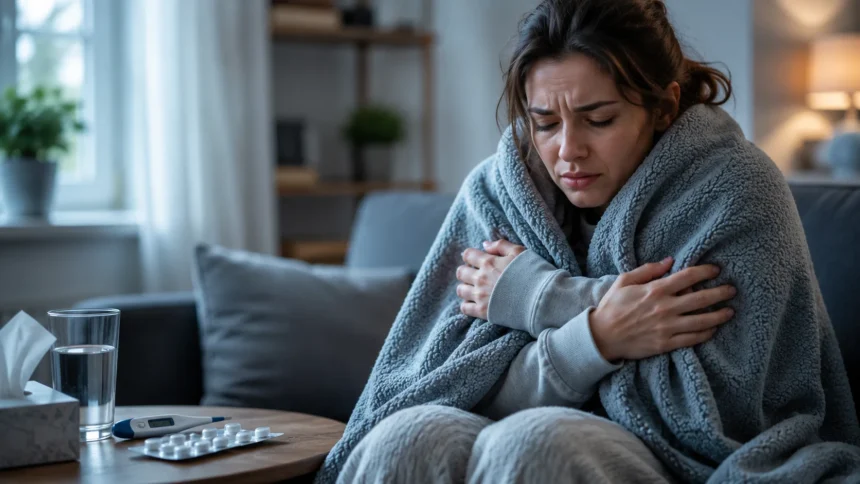
Chills but No Fever: 10 Possible Causes & What to Do
Chills but no fever can feel confusing because shivering is commonly associated with infections and elevated body temperature. Chills occur when muscles rapidly contract and relax, creating heat as the body attempts to regulate its internal temperature. Sometimes this response happens because the environment is cold, but it can also occur with low blood sugar, anxiety, hormonal changes, thyroid problems, medication effects, or the early stages of an infection. A normal temperature at the moment you check it does not necessarily mean a fever cannot develop later. At the same time, many episodes of chills without fever are temporary and have relatively simple explanations. Looking at accompanying symptoms and the circumstances surrounding the episode usually provides more useful clues than the chills alone.
Occasional chills after being outside in cold weather may disappear quickly once the body warms, while repeated unexplained episodes deserve more attention. Someone who feels shaky before eating may have a different problem from someone who experiences chills with coughing, painful urination, extreme fatigue, or unexplained weight changes. Severe symptoms such as difficulty breathing, confusion, chest pain, fainting, or an abnormally low body temperature require prompt medical care regardless of whether a fever is present. Persistent cold intolerance can also point toward conditions such as hypothyroidism or anemia. Understanding the possible causes can help you decide whether simple warming and observation are reasonable or whether medical testing is appropriate.
What Do Chills Without a Fever Mean?
Chills describe a sensation of cold that may be accompanied by shivering, trembling, chattering teeth, goosebumps, or an intense desire to get warm. The muscle contractions involved in shivering generate heat, making chills part of the body’s temperature-regulation system. Cleveland Clinic notes that chills can occur when the body’s core temperature falls, during illnesses, or as part of several other medical and physiological responses. A fever commonly accompanies infectious chills, but it is not required for chills to occur. Your measured temperature can remain within the normal range even while you feel intensely cold. This is why “chills” describes a symptom rather than a diagnosis or a specific temperature reading.
Normal body temperature also varies more than the familiar 98.6°F, or 37°C, figure may suggest. Temperature changes throughout the day and can be influenced by age, activity, hormonal cycles, measurement location, and the type of thermometer being used. A person whose usual temperature runs relatively low might feel unwell while still recording a number considered technically normal. Conversely, someone can experience chills before a measurable fever develops during an infection. MedlinePlus notes that chills may occur at the start of an infection and can sometimes predict an increase in core temperature. Taking another temperature later can therefore be reasonable when new respiratory, urinary, or gastrointestinal symptoms are developing.
True chills should also be distinguished from simply having cold hands or feeling mildly chilly in an air-conditioned room. Chills often involve involuntary shivering or a sense that the body cannot warm itself normally. Cold intolerance is different and describes an abnormal sensitivity to cold temperatures that may occur with anemia, hypothyroidism, low body weight, chronic illness, or other conditions. Someone with cold intolerance may frequently wear extra layers when everyone else feels comfortable without necessarily having dramatic episodes of shivering. The distinction matters because repeated daily cold sensitivity suggests a different evaluation from one sudden episode of chills. Both symptoms can overlap, particularly when a metabolic or nutritional problem affects normal heat production.
Goosebumps are another related but separate response. They occur when tiny muscles attached to hair follicles contract, causing hairs to stand upright and creating bumps across the skin. Cold exposure can trigger both goosebumps and true shivering, but strong emotion, fear, music, or shock can produce goosebumps without any meaningful change in core temperature. MedlinePlus specifically distinguishes goosebumps from chills, even though the two can happen simultaneously. A person who gets goosebumps during an emotional moment but does not actually feel cold or shake is therefore experiencing something different from persistent chills. Paying attention to whether there is involuntary trembling helps describe the symptom more accurately when speaking with a healthcare professional.
The context surrounding chills often provides the most important information. If they occur immediately after standing outside in freezing weather, temperature exposure is an obvious explanation. If they develop alongside hunger, sweating, and dizziness in someone using insulin, low blood sugar becomes more concerning. Chills followed by coughing, sore throat, urinary burning, vomiting, or diarrhea may point toward an infection even before fever appears. Episodes occurring with racing heartbeat and intense fear may fit panic symptoms, while persistent cold sensitivity with fatigue and constipation may suggest an underactive thyroid. Rather than trying to diagnose chills in isolation, consider timing, triggers, duration, associated symptoms, medications, and whether the episodes repeatedly return.
10 Possible Causes of Chills but No Fever
1. Cold exposure is one of the simplest explanations for chills without fever because shivering generates heat when body temperature begins falling. Wet clothing, cold wind, swimming, air conditioning, or sweating followed by exposure to cool air can all trigger this response. Severe exposure can progress to hypothermia, defined as a core temperature below 95°F or 35°C, which requires urgent treatment. 2. Early infection is another possibility because chills can begin before a fever becomes measurable. Viral illnesses, pneumonia, urinary infections, and other infections can initially cause shivering while the thermometer still shows a normal temperature. New cough, sore throat, urinary symptoms, or increasing illness should therefore be monitored rather than dismissed solely because there is no fever.
3. Low blood sugar, or hypoglycemia, can cause shaking, sweating, chills, dizziness, hunger, weakness, anxiety, and a fast heartbeat. It occurs most often in people with diabetes who use insulin or certain glucose-lowering medicines, although it can occasionally occur for other reasons. Severe hypoglycemia can cause confusion, seizures, or loss of consciousness and requires immediate treatment. 4. Anxiety or a panic attack can produce chills through a surge of stress hormones such as adrenaline. Panic symptoms may also include trembling, sweating, racing heartbeat, chest discomfort, nausea, tingling, and difficulty breathing. Cleveland Clinic lists chills and shaking among recognized panic-attack symptoms, which often appear suddenly and intensify rapidly.
5. Hypothyroidism can make someone unusually sensitive to cold because insufficient thyroid hormone slows many metabolic processes involved in energy use and temperature regulation. Other possible clues include fatigue, constipation, dry skin, weight gain, muscle weakness, heavier menstrual periods, and slowed thinking. 6. Anemia can also contribute to feeling unusually cold because reduced oxygen-carrying capacity may affect energy production and overall tolerance to temperature. Anemia can additionally cause fatigue, weakness, dizziness, shortness of breath, headaches, or paleness depending on its severity and cause. Persistent cold intolerance is therefore more significant when accompanied by these symptoms. Blood testing can help distinguish anemia from thyroid disease and other causes that cannot be identified reliably from symptoms alone.
7. Perimenopause or menopause can create chills even when core body temperature remains normal. Hot flashes commonly produce sudden warmth, sweating, and flushed skin, but evaporating sweat can leave someone feeling cold or shivery immediately afterward. Some people experience night sweats followed by chills while sleeping. 8. Medication, alcohol, or substance effects can also cause shaking or chills, particularly during withdrawal from certain substances or after heavy alcohol use. Cleveland Clinic lists drug withdrawal and hangover among possible causes of chills. Medication side effects can also alter sweating, nervous-system activity, or temperature regulation, so new unexplained chills should be reviewed in the context of recently started, stopped, or changed medicines.
9. General anesthesia and surgery can cause shivering even when someone does not have an infection or fever. Cleveland Clinic reports that post-anesthesia shivering is common because anesthesia and the operating-room environment can lower body temperature and alter temperature regulation. These episodes are usually monitored by the healthcare team during recovery. 10. Low body weight, poor nutritional status, or chronic illness can contribute to persistent cold intolerance and occasional shivering because the body may have less insulation or reduced ability to produce heat efficiently. MedlinePlus lists anemia, low body weight associated with anorexia, severe chronic illness, and general poor health among causes of abnormal cold sensitivity. Repeated symptoms in this setting deserve evaluation rather than simply wearing more clothing indefinitely.
How Symptoms Can Point Toward the Cause
Chills accompanied by respiratory symptoms can suggest that an infection is developing even when the first temperature reading is normal. A sore throat, cough, congestion, muscle aches, headache, or unusual fatigue can occur with influenza, COVID-19, or other respiratory infections. Fever may develop later, remain mild, or never become prominent. Someone who develops breathing difficulty, wheezing, chest pain, confusion, or rapidly worsening weakness should seek medical care instead of waiting for fever to confirm that the illness is serious. Pneumonia and other significant infections do not always present identically in every patient. Older adults and people with weakened immune systems may sometimes have less obvious fever responses despite meaningful infection.
Urinary symptoms create a different pattern. Chills accompanied by burning during urination, frequent urination, urgency, pelvic discomfort, or cloudy or bloody urine may suggest a urinary tract infection. Back or side pain, nausea, or substantial systemic illness can raise concern that an infection has reached the kidneys. MedlinePlus advises contacting a healthcare professional when chills occur with frequent or burning urination, among other concerning symptoms. A normal temperature should not be used as a reason to ignore progressing urinary symptoms. Untreated bacterial infections can become more serious, particularly during pregnancy, in older adults, or in people with kidney problems or weakened immunity.
Shaking combined with hunger, sweating, lightheadedness, or a racing heartbeat should make low blood sugar particularly important in someone with diabetes. Symptoms can develop quickly and may worsen into confusion or impaired coordination if glucose continues falling. People who have been given an individual hypoglycemia treatment plan should follow it promptly and check glucose when possible. Severe hypoglycemia involving seizures, unconsciousness, or inability to safely swallow is an emergency. Low blood sugar is much less common in people without diabetes, so recurrent episodes in someone not taking glucose-lowering medication warrant medical evaluation rather than repeatedly treating themselves with sugar without understanding the reason.
Chills with intense fear, rapid breathing, chest tightness, tingling, trembling, and a pounding heart may be related to a panic attack, particularly when symptoms peak rapidly and previous medical evaluation has confirmed a panic pattern. However, chest pain and breathing difficulty can also occur with heart or lung emergencies, making first-time or unusual episodes important to assess appropriately. Anxiety should not automatically be used to explain severe physical symptoms before other causes have been considered. Panic attacks themselves are real physical events involving powerful nervous-system responses rather than imagined symptoms. People experiencing repeated attacks can benefit from evidence-based mental healthcare rather than simply trying to endure episodes of shaking and chills whenever they occur.
Long-term cold sensitivity accompanied by fatigue points more toward metabolic, hormonal, or hematological causes than toward an acute infection. Constipation, dry skin, hair changes, unexplained weight gain, slower thinking, or heavy periods can increase suspicion for hypothyroidism. Paleness, shortness of breath with activity, dizziness, headaches, or unusual fatigue can accompany anemia. Nighttime episodes alternating between sudden heat, sweating, and chills may fit perimenopausal vasomotor symptoms, particularly when menstrual cycles have become irregular. These conditions require different treatments despite sharing the symptom of feeling cold. A clinician can use history and targeted blood tests to distinguish them rather than relying on temperature symptoms alone.
What to Do at Home for Chills Without Fever
Start by checking your temperature with a reliable thermometer rather than relying only on whether your forehead feels warm. Record the result if symptoms are unusual or recurring because trends can be useful if you later need medical care. If you recently came inside from cold weather, replace wet clothing, move to a warm environment, and add comfortable dry layers. Warm nonalcoholic fluids can also be soothing when you are mildly chilled and otherwise well. Avoid immediately taking fever-reducing medication when there is no fever and no other reason to use it. The priority is understanding whether your body is simply cold or whether another symptom pattern is developing.
If you have diabetes and the chills occur with shaking, sweating, hunger, dizziness, or weakness, check your blood glucose when possible. Follow the hypoglycemia treatment plan provided by your healthcare team if the reading is below your target range. Do not assume that repeated low readings are simply a normal inconvenience, because medication doses, meal timing, exercise, alcohol use, illness, or other factors may need adjustment. Severe hypoglycemia requires emergency treatment, particularly when the person cannot swallow safely or becomes unconscious. People without diabetes who repeatedly experience symptoms suggestive of hypoglycemia should seek evaluation rather than routinely carrying sweets and treating episodes without confirming low glucose.
Rest and hydration can be useful when chills appear alongside mild viral-type symptoms such as congestion, sore throat, or fatigue. Water, soups, and other appropriate fluids help replace normal losses, particularly when appetite is reduced. Check your temperature again later because chills can precede fever during an infection. Monitor whether new symptoms emerge, such as worsening cough, painful urination, persistent vomiting, significant diarrhea, or difficulty breathing. Staying home when clearly ill can also reduce the chance of spreading a respiratory or gastrointestinal infection to others. Chills themselves do not reveal whether an infection is bacterial or viral, so antibiotics should never be started solely because you feel shaky.
When anxiety appears to be contributing, slowing breathing and moving to a quiet, safe environment may reduce the intensity of the stress response. Loosening restrictive clothing, sitting down, and focusing on gradual breathing can make hyperventilation-related tingling and trembling less intense for some people. However, these strategies should not replace emergency assessment when symptoms include first-time severe chest pain, fainting, major breathing difficulty, or another feature that could indicate something more serious. Recurrent panic attacks deserve professional treatment because psychotherapy, medication when appropriate, and other structured strategies can reduce episodes over time. Managing the underlying anxiety is more effective than repeatedly treating the chills alone.
Persistent cold intolerance requires a different home approach because extra blankets do not address the underlying cause. Keep track of symptoms such as fatigue, menstrual changes, weight changes, constipation, dizziness, unusual bleeding, or shortness of breath and discuss them with a healthcare professional. Do not start high-dose iron or thyroid supplements based only on feeling cold. Too much iron can be harmful, and thyroid hormone should only be used when clinically indicated and properly monitored. Adequate food intake and appropriate clothing can improve comfort while you are being evaluated. The underlying condition needs targeted treatment if anemia, hypothyroidism, malnutrition, or another medical problem is responsible for the recurring chills.
When Chills Without Fever Need Medical Attention
Seek urgent help when chills occur with difficulty breathing, severe chest pain, confusion, fainting, seizures, or an inability to stay awake. These symptoms can indicate serious problems even when the thermometer does not show a fever. A person can have a respiratory emergency, severe hypoglycemia, circulatory problem, or significant infection without an obvious temperature elevation at that particular moment. Cleveland Clinic advises medical attention when chills are accompanied by chest pain, unexplained severe pain, extreme fatigue, wheezing, or breathing difficulty. Severe symptoms should determine urgency rather than whether the person crosses a particular fever threshold.
A very low body temperature is another emergency warning sign. A core temperature below 95°F, or 35°C, can indicate hypothermia, particularly after prolonged exposure to cold, wet conditions, or inadequate shelter. Severe hypothermia can lead to confusion, slurred speech, poor coordination, slowed breathing, abnormal heart rhythms, and eventually unconsciousness. Shivering may actually decrease as hypothermia becomes more severe because the body loses the ability to generate enough heat. Someone with suspected significant hypothermia should be moved out of the cold and receive emergency medical care rather than simply being placed under blankets and left to recover alone.
Chills associated with signs of infection should also be taken seriously when symptoms are worsening. A bad cough, breathing difficulty, severe abdominal pain, burning urination, repeated vomiting, or increasing weakness can warrant clinical evaluation even before fever develops. MedlinePlus specifically recommends contacting a healthcare provider when chills accompany a severe cough, shortness of breath, abdominal pain, or urinary burning or frequency. People with weakened immune systems may develop serious infections with less dramatic temperature changes than healthy adults. Older adults can also present atypically. A lack of fever therefore does not reliably exclude pneumonia, urinary infection, or another clinically important infection.
Recurring unexplained chills should be assessed even when every individual episode seems mild. Repeated symptoms can occur with thyroid disease, anemia, medication effects, menopause, blood sugar problems, chronic illness, or other conditions that require more specific treatment. A clinician may be especially interested in unexplained weight loss, night sweats, swollen lymph nodes, persistent fatigue, menstrual changes, or abnormalities in appetite. These associated symptoms do not automatically indicate a serious disease, but they help guide which explanations deserve investigation. Keeping notes about timing, duration, temperature readings, food intake, medications, and other symptoms can make the medical evaluation considerably more efficient.
Young children, older adults, pregnant people, and those with significant chronic illnesses may require a lower threshold for professional advice. Children can deteriorate quickly from dehydration or infection, while older adults may have less typical temperature responses. People taking immune-suppressing medication or receiving cancer treatment should follow the individualized instructions provided by their medical team when chills develop. Likewise, someone who recently had surgery should report unexpected new chills, particularly when accompanied by increasing wound pain, redness, drainage, or illness. Risk depends heavily on the person’s medical circumstances, so generic advice for a healthy adult should not automatically be applied to someone with substantially increased vulnerability.
How Doctors Evaluate Recurrent Chills Without Fever
A medical evaluation usually begins with a detailed history because the pattern of chills provides important diagnostic information. A clinician may ask when episodes started, how long they last, whether actual shivering occurs, and whether temperature was measured during the event. Questions about food intake, diabetes, anxiety, menstrual changes, recent infections, medication changes, alcohol or substance use, travel, and cold exposure can help narrow the possibilities. They may also ask whether the episodes occur at night, after meals, after exercise, or in connection with stressful situations. Providing specific examples is more useful than simply saying that you “feel cold all the time.”
The physical examination may include temperature, blood pressure, heart rate, breathing rate, oxygen level, skin appearance, thyroid assessment, and examination of the heart, lungs, abdomen, and other areas depending on symptoms. A clinician evaluating possible infection may examine the throat, listen to the lungs, or check for tenderness over the kidneys. Persistent pallor or rapid heartbeat might increase suspicion for anemia. Dry skin, slowed reflexes, or thyroid changes may support evaluation for hypothyroidism. Physical findings rarely diagnose every cause by themselves, but they help determine whether laboratory tests or imaging are justified. The examination also allows urgent problems to be recognized more quickly.
Blood tests may include a complete blood count when anemia or infection is possible. Thyroid-stimulating hormone and related thyroid measurements can help identify hypothyroidism when persistent cold intolerance occurs alongside fatigue, constipation, or weight changes. Glucose testing may be useful when shaking occurs with hunger, sweating, or diabetes medication. Additional tests depend on history rather than being ordered automatically for everyone with chills. Someone with unexplained systemic symptoms may need kidney, liver, electrolyte, or inflammatory testing. The purpose is to investigate plausible causes systematically rather than performing every available laboratory test simply because chills are nonspecific.
Urine testing may be appropriate when chills accompany urinary urgency, frequency, pelvic discomfort, or burning. Depending on findings, a urine culture can help determine whether bacterial infection is present and which antibiotic may be effective. Respiratory symptoms may sometimes lead to testing for influenza, COVID-19, or another infection, while significant cough or breathing symptoms can require chest imaging. MedlinePlus notes that clinicians evaluating chills may use blood tests, urine testing, cultures, or chest X-rays depending on the circumstances. Testing should therefore be driven by the complete symptom pattern.
Some evaluations reveal no serious disease, particularly when chills are brief and linked clearly to stress, environmental cold, or hormonal changes. This outcome does not mean the symptoms were imaginary. The body can produce powerful temperature and adrenaline responses without infection or structural disease. If episodes continue, the clinician may recommend monitoring, medication review, treatment for menopause or anxiety, nutritional assessment, or follow-up testing depending on the suspected cause. The goal is to identify treatable contributors while avoiding unnecessary treatment for symptoms that resolve naturally. Recurrent chills are a reason to look for context and patterns, not automatically a sign of something dangerous.
How to Help Prevent Recurrent Chills
When environmental cold is the main trigger, prevention begins with keeping the body dry and appropriately insulated. Dress in layers so clothing can be adjusted before excessive sweating develops, because damp clothing can make the body cool rapidly afterward. Gloves, warm socks, and head covering can be especially useful during prolonged outdoor exposure. Change out of wet clothes promptly after rain, swimming, snow, or strenuous outdoor activity. People working in cold environments should take regular warming breaks and know the early signs of hypothermia. Cold-weather prevention is particularly important for older adults, people with poor circulation, and anyone who has difficulty sensing temperature normally.
People with diabetes can reduce hypoglycemia-related chills by following their individualized medication, meal, and glucose-monitoring plan. Skipping meals, increasing exercise suddenly, drinking alcohol without adequate food, or taking too much insulin can contribute to low blood sugar. Continuous glucose monitoring can be valuable for selected people who experience frequent or difficult-to-detect lows. Recurrent hypoglycemia should be discussed with the diabetes-care team because simply treating each episode with carbohydrates does not address why it keeps happening. Medication adjustments may be required. Severe hypoglycemia can become life-threatening, making prevention more important than relying only on recognizing shaking after glucose has already fallen.
Preventing anxiety-related chills involves addressing the anxiety rather than trying to suppress shivering directly. Regular sleep, exercise, relaxation practices, and reducing excessive caffeine may help some people, but recurrent panic attacks often benefit from structured professional treatment. Cognitive behavioral therapy and appropriate medication are among established approaches used for panic disorder depending on individual needs. Understanding that adrenaline can produce trembling, chills, palpitations, and tingling may make episodes less mysterious, but new severe symptoms should still be evaluated initially. The aim is to reduce how often the nervous system enters an intense alarm state, not simply to become better at tolerating repeated frightening attacks.
Hormonal and metabolic causes require treatment directed at the underlying problem. Hypothyroidism is generally managed with appropriately prescribed thyroid hormone when testing confirms inadequate hormone production. Anemia treatment depends on its cause and can involve iron only when iron deficiency is actually present, while other forms of anemia require different approaches. Menopause-related hot flashes and chills can sometimes improve through lifestyle measures, nonhormonal medications, or hormone therapy when appropriate for the individual’s health history. These conditions demonstrate why a single “chills supplement” cannot logically treat every person. Similar symptoms can arise from very different biological mechanisms and therefore require different solutions.
Finally, maintaining general health can reduce some triggers without guaranteeing that chills will never occur. Eat regularly enough to support stable energy needs, stay hydrated, sleep adequately, dress appropriately for weather, and use alcohol and medications responsibly. Do not stop prescription medication abruptly unless your healthcare professional has advised you how to do so, because withdrawal from certain medicines can produce significant symptoms. Seek evaluation when chills change from occasional and explainable to recurrent and unexplained. Most episodes without fever are not emergencies, but listening to the pattern can reveal when your body is signaling something more than a cold room or a stressful moment.
Frequently Asked Questions About Chills but No Fever
Can you have chills without having a fever?
Yes. Chills can occur without fever because cold exposure, low blood sugar, panic attacks, menopause, medication or substance effects, anesthesia, and other conditions can trigger shivering independently of infection.
Can anxiety cause chills and shaking?
Yes. A panic or intense anxiety response can release stress hormones that produce trembling, sweating, chills, rapid heartbeat, tingling, and breathing changes. First-time severe chest pain, fainting, or major breathing difficulty should still receive medical evaluation rather than automatically being attributed to anxiety.
Can low blood sugar cause chills without fever?
Yes. Hypoglycemia can cause shaking, sweating, chills, hunger, dizziness, weakness, anxiety, and confusion, particularly in people using insulin or certain diabetes medicines. Severe low blood sugar involving seizures or unconsciousness is an emergency.
When should I worry about chills without fever?
Seek prompt medical attention when chills occur with difficulty breathing, chest pain, confusion, fainting, seizures, severe abdominal pain, major weakness, or a body temperature below 95°F or 35°C. Repeated unexplained chills also deserve routine medical evaluation even when each episode is relatively mild.
Why do I keep getting chills but my temperature is normal?
Recurring chills with a normal temperature can have many explanations, including cold intolerance, hypothyroidism, anemia, hypoglycemia, anxiety, menopause, medication effects, or recurrent exposure to cold. Because these causes require different treatments, persistent episodes are best evaluated using your associated symptoms, medical history, and targeted testing rather than temperature alone.
