

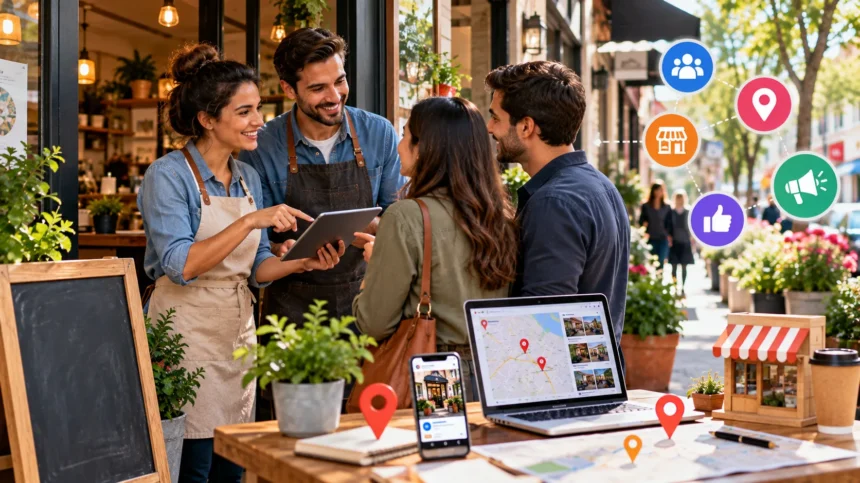
The best local marketing ideas for businesses combine online visibility, community engagement, customer relationships, and targeted promotional activities. From optimizing your Google Business Profile to organizing local events and creating referral programs, several affordable strategies can help attract nearby customers. This guide explores practical ways to improve local brand awareness, generate qualified leads, and build a stronger presence in your community.
What Is Local Marketing and Why Is It Important?
Local marketing is the process of promoting products or services to customers within a specific geographical area. Businesses use location-based advertising, local search engine optimization, community activities, and targeted communication to reach nearby audiences. The main objective is to connect with people who can realistically visit the business or use its services.
Unlike broader digital marketing campaigns, local business marketing focuses on customers within relevant cities, neighborhoods, or service areas. This approach is particularly valuable for restaurants, medical practices, retail stores, and home service providers. Concentrating on a defined location helps businesses communicate more relevant offers while reducing unnecessary marketing expenditure.
Effective local marketing also strengthens customer relationships by encouraging meaningful connections within the surrounding community. People may become more familiar with businesses they regularly encounter through local searches, events, and recommendations. Building this familiarity can support repeat purchases, positive word-of-mouth marketing, and long-term business growth.
Optimize Your Google Business Profile for Local Searches
A Google Business Profile is one of the most important tools for improving online visibility among nearby customers. It allows eligible businesses to appear in Google Search and Google Maps with relevant information about their services. An accurate profile helps potential customers find business locations, contact details, opening hours, and other useful information.
Start by completing your business profile with the correct name, primary category, contact information, and operating hours. Add genuine photographs of your business, products, team, or completed work to help customers understand what you offer. Relevant services, attributes, and profile features can provide additional information that supports informed customer decisions.
Regularly maintaining your Google Business Profile is essential for creating a reliable local search experience. Update holiday hours, correct outdated information, respond professionally to customer reviews, and publish useful updates when appropriate. Accurate information and an actively maintained profile help customers confidently contact or visit your business.
Improve Local SEO to Attract Nearby Customers
Local search engine optimization helps businesses become more visible when people search for products or services in a particular area. For example, someone searching for an electrician in their neighborhood may already have a specific service requirement. Optimizing your website for relevant local searches creates opportunities to connect with these potential customers.
Keyword research should focus on services, geographical locations, and the language customers use when searching online. Businesses can naturally include location-specific keywords in page titles, headings, service descriptions, and other helpful website content. Avoid repeating city names unnecessarily because clear, useful information matters more than excessive keyword placement.
Technical website performance also influences the experience visitors have after discovering your business through search results. Ensure that pages load efficiently, work on mobile devices, and provide clear navigation to important information. A fast, accessible website with straightforward contact options can help turn local search visitors into inquiries.
Create Location-Specific Landing Pages on Your Website
Location-specific landing pages help businesses explain which geographical areas they serve and what services are available there. These pages are particularly useful for companies operating multiple branches or serving customers across several cities. Each page should provide meaningful information rather than repeating identical content with different location names.
An effective local landing page can include relevant services, business hours, contact details, directions, and information about the surrounding area. Businesses may also feature genuine customer experiences or examples of completed work from that location. These details make the page useful for customers evaluating their options.
Clear calls to action are equally important for turning location page visitors into potential customers. Encourage users to request a quote, schedule an appointment, call the business, or obtain directions when appropriate. Making these actions easy to find improves usability and helps interested visitors take the next step.
Encourage Genuine Customer Reviews and Testimonials
Customer reviews influence how people evaluate unfamiliar businesses, especially when several nearby providers offer similar services. Positive feedback can demonstrate reliability, service quality, and customer satisfaction through real experiences. Businesses should therefore make requesting honest reviews a consistent part of their customer communication strategy.
You can invite customers to share their experiences after completing a purchase or receiving a service. Provide a convenient review link or use a simple follow-up message that explains where feedback can be submitted. Avoid purchasing reviews, offering rewards in exchange for positive ratings, or selectively requesting feedback only from satisfied customers.
Responding professionally to reviews can also strengthen your local business reputation. Thank customers for thoughtful feedback and address negative experiences respectfully without disclosing private information. Consistent, constructive communication demonstrates that your business values customer experiences and takes service improvements seriously.
Build Consistent Local Business Listings and Citations
Local business directories provide additional opportunities for customers to discover your company while researching nearby products or services. Relevant listings may include established business directories, industry-specific platforms, and local chamber of commerce websites. Maintaining accurate information across these sources makes it easier for customers to identify and contact your business.
Important details typically include your business name, address when appropriate, telephone number, website, and operating hours. Information should remain consistent across active profiles to reduce confusion and prevent customers from relying on outdated details. Businesses serving customers at their locations should also respect platform rules concerning hidden addresses and service areas.
Instead of submitting your business to hundreds of unrelated directories, prioritize legitimate platforms that customers actually use. Review existing listings, correct inaccurate details, and remove duplicates when possible. A focused approach to local citations supports accurate business discovery without wasting resources on low-quality directory submissions.
Use Social Media to Connect With Your Local Community
Social media marketing allows businesses to communicate with nearby customers and build stronger relationships within their community. Platforms such as Facebook, Instagram, and LinkedIn may be useful depending on the industry and target audience. Sharing relevant updates helps local businesses remain familiar to people who may need their services later.
Businesses can publish behind-the-scenes content, customer experiences, product demonstrations, and updates about community involvement. Location tags and relevant neighborhood references may help audiences understand where a business operates. The most effective content provides useful information or genuine entertainment rather than constantly pushing promotional offers.
Engaging with local online communities can also create opportunities for meaningful conversations. Answer relevant questions, participate in appropriate neighborhood discussions, and respond thoughtfully to customer comments. Respect community guidelines and avoid repetitive promotional posts that could damage your reputation or discourage genuine engagement.
Run Targeted Local Advertising Campaigns
Location-based advertising helps businesses reach people within geographical areas relevant to their products or services. Google Ads and social media advertising platforms provide targeting options that can support local promotional campaigns. These tools can be particularly useful for companies that want to generate inquiries without waiting for organic marketing results.
Successful local advertising begins with clearly defined goals, a realistic budget, and relevant audience targeting. Businesses should create messages that explain specific customer benefits and direct interested visitors to appropriate landing pages. For example, a plumbing company might advertise emergency repair services to customers within its operating area.
Monitoring advertising performance helps prevent unnecessary spending on clicks that do not produce meaningful business opportunities. Track phone inquiries, appointment requests, qualified leads, and completed purchases whenever appropriate. Adjust targeting, advertising messages, and budgets based on customer quality rather than simply focusing on impressions or website traffic.
Partner With Other Local Businesses for Mutual Growth
Local business partnerships create opportunities to reach new customers through established relationships within the community. Companies offering complementary products or services can collaborate without directly competing for identical purchases. These partnerships may provide additional visibility while allowing both businesses to offer more value to their customers.
For example, a fitness studio could collaborate with a nearby sports equipment retailer to organize an educational workshop. Similarly, a wedding photographer might build referral relationships with local event planners. Relevant partnerships work best when both businesses serve compatible audiences and communicate clear expectations.
Collaborative marketing activities may include shared events, educational content, community initiatives, and transparent referral arrangements. Businesses should select partners whose service quality and values align with their own reputation. Maintaining professional relationships and providing genuine customer value helps partnerships become more sustainable over time.
Organize Local Events and Participate in Community Activities
Community events provide opportunities for businesses to meet potential customers and establish relationships beyond online marketing channels. Workshops, product demonstrations, educational sessions, and neighborhood celebrations can introduce your company to interested audiences. These experiences allow people to interact with your business in a more personal environment.
Participating in established local events may also be more practical than organizing an independent event. Businesses can explore suitable opportunities involving community fairs, educational programs, and neighborhood initiatives. Participation should align with the company’s audience, available resources, and genuine ability to contribute something valuable.
After attending an event, businesses can maintain appropriate communication with people who voluntarily express interest. Share useful resources, provide requested information, or invite interested participants to future activities. Consistent involvement in community initiatives can strengthen brand familiarity while demonstrating an ongoing commitment to the surrounding area.
Create Local Promotions and Customer Referral Programs
Local promotions can attract attention by providing relevant benefits to customers within your target market. Businesses might offer introductory service packages, seasonal discounts, or special bundles designed around genuine customer needs. A clear and practical offer can encourage interested people to explore your business for the first time.
Referral programs create opportunities for existing customers to recommend your products or services to friends, relatives, and colleagues. Depending on your industry, suitable incentives may include account credits or discounts on future purchases. Programs should follow applicable rules, clearly explain their conditions, and avoid encouraging misleading endorsements.
Promotional campaigns should support profitability rather than simply increasing short-term customer numbers. Businesses need to consider product margins, customer acquisition expenses, and whether offers attract customers likely to return. Tracking the results of individual promotions can reveal which incentives contribute to meaningful growth.
Use Email and SMS Marketing to Encourage Repeat Business
Email marketing helps local businesses maintain customer relationships by sharing relevant information after an initial interaction or purchase. Newsletters can feature useful tips, new products, appointment reminders, and upcoming events. Personalized communication is often more valuable than sending identical promotional messages to every customer.
SMS marketing can be useful for timely updates, particularly when customers expect short reminders or service notifications. Restaurants, salons, and appointment-based businesses may use appropriate text messages to communicate booking information or availability. Promotional messages should only be sent with the necessary permission and provide straightforward opt-out options.
Businesses can improve follow-up communication by organizing customer contacts according to relevant interests and service preferences. For example, returning customers may appreciate updates about services they previously purchased. Respectful messaging, reasonable frequency, and useful information help maintain relationships without overwhelming recipients with unnecessary promotions.
Track Local Marketing Results and Improve Your Strategy
Measuring marketing performance helps businesses understand which local promotional activities generate valuable customer interactions. Important indicators may include phone calls, appointment bookings, contact form submissions, store visits, and completed sales. Tracking results across different channels provides a clearer picture of how customers discover and interact with your company.
Website analytics, advertising reports, and customer relationship management systems can provide useful information about marketing performance. Businesses can also ask new customers how they discovered their services to identify valuable offline referrals. Combining these insights helps distinguish campaigns generating meaningful sales opportunities from those producing only superficial engagement.
Improving local marketing requires reviewing results regularly and making changes based on reliable customer information. Adjust unsuccessful advertisements, improve poorly performing landing pages, and invest more attention in channels that attract suitable customers. Small, consistent improvements can strengthen marketing efficiency and support more predictable business growth.
Conclusion
The best local marketing ideas for businesses focus on reaching nearby customers, creating useful experiences, and building lasting relationships within the community. Google Business Profile optimization, local SEO, customer reviews, social media, and targeted advertising can all support better visibility. Combining online and offline approaches helps businesses attract attention from people most likely to benefit from their services.
Successful local marketing also depends on reputation, customer satisfaction, and meaningful community involvement. Partnerships, referral programs, events, and personalized follow-up communication encourage customers to engage with your business beyond a single transaction. Prioritizing genuine value can help strengthen customer loyalty and generate positive recommendations over time.
Building a strong local presence requires consistent effort, realistic goals, and regular performance evaluation. Start with the strategies most relevant to your customers and available resources before expanding into additional channels. By improving local search visibility, maintaining accurate information, and engaging with your community, your business can develop sustainable opportunities for growth.
Frequently Asked Questions (FAQs)
What are the best local marketing ideas for small businesses?
Effective local marketing ideas include Google Business Profile optimization, local SEO, customer reviews, social media engagement, and referral programs. These strategies help small businesses reach nearby customers and build stronger community relationships.
How can I promote my local business for free?
You can promote your business through organic social media posts, Google Business Profile updates, local SEO, customer referrals, and community participation. These approaches require time and effort but do not necessarily involve advertising expenses.
How does local SEO help businesses attract customers?
Local SEO improves a business’s ability to appear in relevant location-based searches. Optimized website content, accurate business information, and helpful location pages make it easier for nearby customers to discover suitable products or services.
What is the most effective local advertising strategy?
The most effective strategy depends on your audience, location, budget, and services. Targeted search advertising and relevant social media campaigns can work well when supported by clear offers, useful landing pages, and conversion tracking.
How can businesses attract more local customers?
Businesses can attract more local customers by improving online visibility, maintaining positive customer relationships, participating in community activities, and offering relevant services. Consistent marketing and reliable customer experiences support long-term growth.
