

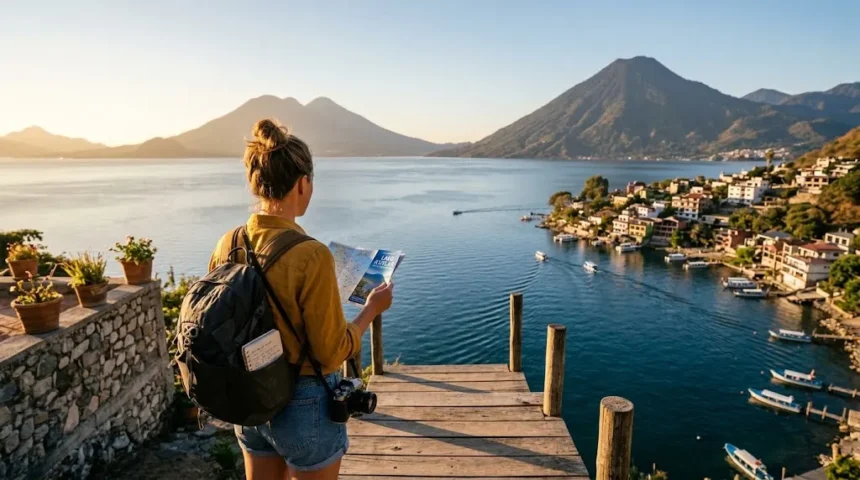
Lago Atitlan: Best Villages, Views & Travel Tips
Lago Atitlan, more commonly written as Lake Atitlán in English, is one of Guatemala’s most memorable destinations, combining dramatic volcanic scenery with Maya culture, colorful lakeside villages, outdoor adventures, and a relaxed pace of travel. The lake sits in the Guatemalan highlands and is surrounded by steep mountains and volcanoes that create extraordinary views from almost every shoreline. What makes the destination especially interesting is that each village has developed its own character rather than feeling like a copy of the next. Some communities are lively and social, while others emphasize art, spirituality, hiking, or traditional culture. This variety makes Lake Atitlán suitable for very different travel styles. It can be adventurous, peaceful, cultural, social, or a combination of all four.
Many first-time visitors underestimate how large and varied the Lake Atitlán area feels. Choosing where to stay can completely change the experience because Panajachel, San Pedro La Laguna, San Marcos La Laguna, Santa Cruz La Laguna, San Juan La Laguna, Santiago Atitlán, and smaller communities offer different advantages. Public boats connect many settlements, making village-hopping relatively straightforward during normal operating conditions. However, staying in one well-chosen base is usually more enjoyable than changing hotels every night. Boat travel, steep streets, luggage, weather, and afternoon winds can make constant relocation tiring. Understanding the personality of each village before booking therefore saves time and helps you build a trip that actually matches your expectations.
The scenery is another major reason people travel to Lago Atitlan Guatemala. Volcanoes Atitlán, Tolimán, and San Pedro dominate many views, particularly during clear mornings when the lake can appear almost perfectly calm. Sunrises often reveal mountain silhouettes reflected across the water, while elevated trails provide panoramic perspectives that cannot be appreciated from the shoreline alone. Popular outdoor experiences include hiking, kayaking, paddleboarding, swimming in suitable areas, boat trips, and village walks. Travelers who prefer a slower pace can spend hours in lakefront cafés or hammocks without feeling that they are missing the destination. Atitlán rewards both active exploration and deliberate inactivity.
Culture is equally central to the experience. Indigenous Maya communities have lived around the lake for generations, and several villages remain important centers for local textiles, weaving, art, agriculture, religion, and community traditions. Visitors will hear Spanish alongside Maya languages such as Kaqchikel and Tz’utujil depending on the area. Traditional clothing is still widely worn in some communities, but it should be approached as living culture rather than entertainment created for tourists. Buying locally made crafts, using community guides, asking before photographing people, and learning a few respectful phrases can make travel more meaningful. Lago Atitlán becomes far more interesting when visitors look beyond the scenery and engage thoughtfully with the people who call the lake home.
This guide covers the best villages at Lago Atitlan, top viewpoints, things to do, weather, transportation, where to stay, safety, food, hiking, and practical travel tips. It also explains which villages suit nightlife, relaxation, culture, photography, outdoor adventure, and first-time visitors. Because conditions on the lake can change with weather and season, flexibility is an important part of planning. Morning boat trips are often preferable to late-afternoon crossings, while rainy-season itineraries benefit from extra time. Whether you have three days or more than a week, a thoughtful route can help you experience the lake without rushing between stops. The goal is to understand Atitlán as a collection of distinct communities rather than one single tourist attraction.
Why Lago Atitlan Is Worth Visiting
Lago Atitlán stands out because landscape and culture are tightly connected in one relatively compact destination. The lake occupies a dramatic volcanic basin surrounded by steep slopes, cultivated hillsides, villages, and towering peaks. At roughly 1,500 meters above sea level, the setting feels cooler and greener than Guatemala’s lowland regions. Clear mornings can provide remarkably sharp views across the water, especially before clouds build around the mountains. Even simple activities such as taking a public boat can feel scenic because the journey passes cliffs, villages, and volcanoes. Few destinations allow travelers to move so easily between cultural experiences, outdoor adventures, and relaxed lakefront time.
Another advantage is the diversity between communities. Panajachel functions as an important transportation and tourism hub, while San Pedro attracts backpackers, students, hikers, and nightlife-oriented travelers. San Juan is known for art, textiles, cooperatives, and community-focused tourism, whereas San Marcos has developed a reputation for wellness and alternative experiences. Santa Cruz and Jaibalito feel quieter and more removed from busy roads, making them attractive to travelers who primarily want lake views. Santiago Atitlán adds another layer of history and cultural significance. Exploring even three or four villages reveals how dramatically the atmosphere can change within a relatively short boat ride.
The destination also works across a wide range of budgets. Backpackers can use hostels, public boats, simple restaurants, and inexpensive local transportation, while travelers seeking more comfort can choose boutique hotels, private lakefront rooms, spas, and organized transfers. The same sunrise and volcano views are available whether you stay in a dormitory or an upscale property. This accessibility has helped Atitlán attract students, families, couples, digital nomads, photographers, hikers, and long-term travelers. However, prices tend to rise in popular lakefront locations and during high-demand periods. Planning accommodation early gives you a better chance of finding the combination of location and value you want.
Lago Atitlán also encourages slower travel. It is possible to rush around the lake checking villages off a list, but that approach misses much of what makes the place special. A morning might begin with coffee overlooking the water, continue with a boat to another community, and finish with a sunset from a terrace rather than a major attraction. Travelers often find that the spaces between planned activities become their favorite memories. The lake’s geography naturally creates pauses because boats, hills, weather, and village rhythms make rigid schedules less practical. Accepting that slower pace can turn Atitlán from a sightseeing stop into a genuinely restorative destination.
The lake is also well positioned within a broader Guatemala itinerary. Travelers commonly combine it with Antigua, Guatemala City, Chichicastenango, the Pacific highlands, or longer routes toward other parts of the country. Antigua and Lake Atitlán complement each other especially well because one emphasizes colonial architecture while the other offers volcanic landscapes and indigenous communities. The contrast makes even a relatively short Guatemala trip feel varied. Transportation requires planning, but tourist shuttles and road connections make Atitlán accessible from major travel hubs. For many visitors, the lake becomes the place where they decide to extend their stay rather than simply another stop on an itinerary.
Best Villages Around Lago Atitlan
Panajachel, often shortened to Pana, is one of the easiest bases for first-time visitors. It has strong transportation connections, numerous restaurants, accommodation at different price levels, shops, tour agencies, ATMs, and regular boat services to other villages. The waterfront provides expansive views toward the volcanoes, particularly on clear mornings. Calle Santander forms the main tourist corridor, where visitors find textiles, crafts, cafés, travel services, and souvenir shops. Panajachel feels busier and more commercial than several other lake communities, which may not suit travelers seeking complete tranquility. However, its convenience makes it an excellent arrival point and practical base for short trips.
San Pedro La Laguna is one of the best-known villages among backpackers and younger travelers. The lower waterfront area contains hostels, cafés, restaurants, bars, Spanish schools, travel agencies, and tour operators, creating a social atmosphere that makes meeting people relatively easy. San Pedro is also a popular starting point for hiking Volcán San Pedro and arranging other outdoor activities. Moving uphill reveals a more local side of the town beyond the backpacker strip. Travelers should expect steep streets in several areas, so accommodation location matters when carrying luggage. San Pedro works particularly well for visitors who want affordable accommodation, nightlife, social experiences, and easy access to adventure activities.
San Juan La Laguna offers a noticeably different atmosphere from neighboring San Pedro. The village has become known for local art, natural-dye textiles, weaving cooperatives, murals, coffee, chocolate, and community tourism initiatives. Walking through San Juan provides opportunities to learn about traditional production methods while supporting local businesses directly. Colorful streets and viewpoints also make the village appealing to photographers. It can be visited as a half-day excursion, but staying overnight provides a quieter experience after day visitors leave. Travelers interested in craftsmanship, Maya culture, responsible tourism, and a calmer atmosphere may prefer San Juan over more nightlife-oriented communities.
San Marcos La Laguna has developed a reputation for yoga, meditation, wellness retreats, massage, vegetarian food, and alternative spiritual practices. The village contains narrow pedestrian paths, lush vegetation, small cafés, guesthouses, and wellness centers rather than a conventional street grid near the lake. Some visitors love its peaceful, international atmosphere, while others find parts of the wellness scene more tourist-oriented than culturally immersive. Nearby lake access and elevated viewpoints make it attractive for slower stays. San Marcos works best for travelers interested in rest, wellness, swimming where conditions are appropriate, and spending less time moving between major attractions.
Santa Cruz La Laguna, Jaibalito, and Santiago Atitlán provide additional choices for travelers who want to look beyond the best-known bases. Santa Cruz offers dramatic lake views and hillside accommodation, although steep paths can make getting around physically demanding. Jaibalito is smaller and quieter, appealing to travelers who want simple lakeside days with fewer commercial distractions. Santiago Atitlán is one of the lake’s largest and most culturally significant towns, with strong Tz’utujil Maya identity and important religious traditions. These villages demonstrate why choosing only one “best village” is difficult. The strongest itinerary usually combines communities with contrasting atmospheres rather than trying to experience every village in exactly the same way.
Best Views and Things to Do at Lake Atitlan
One of the most rewarding things to do at Lake Atitlán is simply watching sunrise from the shoreline. Mornings tend to provide some of the calmest water and clearest mountain visibility, which makes early hours especially valuable for photography. Depending on where you stay, the sun may illuminate the volcanoes gradually rather than rising directly over the water. Lakefront terraces in Panajachel, Santa Cruz, San Marcos, and other villages provide very different perspectives. Even travelers who normally avoid early mornings may find it worth waking up once. The combination of still water, changing light, fishermen, distant boats, and volcanic silhouettes captures the atmosphere of Atitlán better than many organized attractions.
The Indian Nose hike, also commonly associated with the Rostro Maya ridge area, is one of the region’s best-known sunrise experiences. Elevated viewpoints can provide sweeping panoramas across Lake Atitlán and several volcanoes when the weather is clear. Many travelers arrange guided early-morning excursions because trails, access arrangements, and local conditions can change. Starting before dawn also makes navigation more complicated without local knowledge. The hike is generally much shorter than climbing one of the major volcanoes, which makes it accessible to a wider range of visitors. Warm layers are useful because exposed viewpoints can feel cool before sunrise even when the day later becomes warm.
Hiking Volcán San Pedro offers a more demanding outdoor experience. The climb gains significant elevation and requires a stronger level of fitness than short viewpoint hikes. Weather conditions can change quickly, particularly as clouds gather later in the day. Travelers should check current trail conditions, access arrangements, and local safety information before setting out. Using a reputable local guide can improve navigation and provide valuable cultural and environmental context. The reward can include expansive views across the lake and surrounding highlands when visibility cooperates. However, travelers should choose the hike because they enjoy strenuous activity rather than feeling that climbing a volcano is mandatory.
Kayaking and paddleboarding offer a completely different perspective on the lake. Early morning is often the most comfortable time because the water can become rougher as winds develop later in the day. Paddling close to shore allows visitors to appreciate cliffs, gardens, villages, and volcanic scenery from water level. Life jackets and appropriate equipment should always be used, even when conditions initially appear calm. Swimming may be enjoyable in some areas, but water quality and local conditions vary around the lake. Ask accommodation staff or knowledgeable local operators which nearby areas are considered suitable before entering the water.
Village exploration remains one of the best activities because each community reveals a different side of Atitlán. Take a public boat in the morning, walk through a village without rushing, visit local workshops or markets, eat somewhere away from the main dock, and return before late-afternoon conditions become uncomfortable. San Juan is particularly rewarding for crafts and art, while Santiago offers deeper cultural experiences and San Marcos suits slower lakefront time. Public boats turn transportation itself into part of the sightseeing. Instead of treating every journey as wasted time, sit where you can enjoy the view and watch the landscape change between communities.
Best Time to Visit Lago Atitlan
The best time to visit Lago Atitlan depends on whether you prioritize clear weather, lower prices, greener landscapes, or smaller crowds. The dry season generally runs from around November through April and is the most popular period for travel. Mornings are often clearer, making this season particularly attractive for hiking and volcano views. Rainfall is less frequent, which makes moving between villages and spending long days outdoors easier. December through February can also bring pleasantly cool mornings and evenings because of the lake’s elevation. Popular accommodation may fill more quickly during holiday periods, so advance booking becomes more valuable.
March and April can remain relatively dry while temperatures feel warmer during the daytime. This can be a pleasant period for swimming, kayaking, and long afternoons near the water. However, strong sunlight at altitude can feel intense even when the air temperature seems moderate. Sunscreen, sunglasses, and hydration remain important throughout the year. Holiday periods can increase domestic and international travel, which affects transportation and accommodation availability. Travelers seeking quieter conditions may prefer dates outside major celebrations. Weather patterns also vary from year to year, so seasonal expectations should be treated as general guidance rather than guaranteed forecasts.
The rainy season typically develops from around May through October. Rain does not necessarily mean continuous storms from morning until night. Many days begin relatively clear before clouds build and showers develop later, although extended wet periods are certainly possible. The landscape becomes greener during these months, creating beautiful scenery around the mountains. Accommodation prices may also be more attractive in certain periods. Travelers comfortable with flexible schedules can still have an excellent experience during the rainy season by placing hikes and boat trips earlier in the day.
Heavy rainfall can affect roads, trails, boat conditions, and visibility. Travelers should leave extra time around transportation connections rather than scheduling a lake departure immediately before an important flight. Waterproof bags or protective covers are useful when carrying electronics on boats. Appropriate shoes become especially important because steep village paths can become slippery. If thunderstorms are expected, follow local guidance and avoid unnecessary exposure on the water. The rainy season rewards travelers who can adapt plans rather than insisting on a fixed outdoor itinerary every day.
Regardless of season, morning is often the most valuable part of the day at Lake Atitlán. Winds commonly strengthen later, which can make boat rides rougher and mountain views hazier. Starting early therefore improves both sightseeing and transportation. Schedule hikes, longer boat crossings, photography, and water activities before lunch when possible. Leave cafés, workshops, massages, restaurants, and slower village walks for later hours. This simple daily rhythm can improve an Atitlán trip in almost any month. It also gives you additional flexibility if afternoon weather changes unexpectedly.
How to Get to Lago Atitlan and Travel Between Villages
Most international travelers reach Lago Atitlan from Guatemala City or Antigua. Road transportation commonly brings visitors to Panajachel because it has strong connections with the rest of the country and regular public boat services across the lake. Shared tourist shuttles are popular because they reduce the complexity of arranging several individual connections. Private transfers offer greater comfort and schedule flexibility but cost more. Public transportation can be considerably cheaper and provide a more local experience, although it may involve multiple transfers and more complicated luggage handling. Your choice should reflect budget, travel experience, arrival time, and comfort level.
From Antigua, the journey to Panajachel can often be completed within part of a day, although road traffic and conditions can make exact times unpredictable. Travelers arriving directly from Guatemala City should leave additional flexibility, especially if traveling during busy periods. Mountain roads can involve curves, elevation changes, construction, or congestion. Avoid booking a tightly timed international flight immediately after leaving the lake. Spending the final night closer to the airport can provide extra security before an early departure. Guatemala travel generally becomes more enjoyable when road journeys are treated as flexible rather than scheduled to the minute.
Once at the lake, public lanchas, or small passenger boats, are the primary way to move between many villages. Panajachel has boat connections toward popular communities including Santa Cruz, Jaibalito, San Marcos, San Juan, and San Pedro. Services operate frequently during normal daytime conditions, although departure times can be less rigid than formal train schedules. Boats may wait briefly for additional passengers before leaving. Ask about the fare before boarding when necessary and keep small cash available. Boat docks can become busy, so confirm that you are boarding the correct route rather than assuming every boat visits every village.
Afternoon winds can make lake crossings noticeably rougher than morning journeys. People prone to motion sickness may prefer sitting toward the rear or central part of the boat where movement can feel less dramatic. Keep phones, cameras, passports, and electronics protected from spray, particularly during rougher conditions. Most short inter-village trips are straightforward, but luggage makes boarding and disembarking more awkward. This is one reason staying several nights in one base can be more comfortable than moving accommodation repeatedly. Public boats work brilliantly for sightseeing when you are carrying only a small day bag.
Not every village is equally convenient to reach entirely by boat, and road transportation remains useful around parts of the lake. Tuk-tuks are common for short journeys within or between neighboring communities where road connections make sense. Walking is practical inside many villages, although hills can be steep. San Juan and San Pedro, for example, can be combined easily because they are close geographically. Having both boat and road options gives travelers considerable flexibility. The key is to ask locally about the most practical route instead of assuming that a map’s shortest line represents the easiest journey.
Where to Stay and How Many Days You Need
For a first visit, three to five days at Lago Atitlan provides enough time to experience several villages without turning the trip into constant transportation. Three days works for travelers with a tight Guatemala itinerary who primarily want lake views, one or two villages, and perhaps a short hike. Four or five days creates more breathing room for weather changes and slower mornings. Travelers interested in Spanish lessons, yoga, hiking, remote work, or deeper cultural experiences often stay a week or considerably longer. Atitlán is one of those destinations where adding two unstructured days rarely feels difficult to justify.
Panajachel is a strong choice for a short first visit because transportation is simple. Arriving from Antigua or Guatemala City is straightforward compared with transferring immediately to a smaller lake village. From Pana, travelers can take day trips by boat and return to a broad selection of restaurants and services each evening. It also offers convenient access to money, shopping, travel agencies, and onward transportation. The tradeoff is that the town feels busier and more developed than quieter villages. Travelers seeking complete tranquility may prefer spending only the first or final night there.
San Pedro suits visitors who want an active social base. Accommodation ranges from inexpensive hostels to comfortable private rooms and boutique options, while restaurants serve both Guatemalan and international food. Nightlife is easier to find than in many other villages, making San Pedro attractive to younger backpackers and solo travelers interested in meeting people. Spanish schools also attract longer-term visitors. The lower tourist zone can be lively, so light sleepers should choose accommodation location carefully. Staying slightly away from the busiest streets can provide easier access to social activities without sacrificing every quiet evening.
San Marcos, Santa Cruz, and Jaibalito appeal more strongly to travelers prioritizing lakefront relaxation. San Marcos combines wellness experiences with international restaurants and a compact pedestrian center. Santa Cruz offers some spectacular elevated accommodation and views, although steep hills mean travelers should check exactly how they will reach their hotel from the dock. Jaibalito feels smaller and can be ideal for reading, swimming where appropriate, hiking nearby, or doing very little. These places work particularly well for couples, remote workers, and travelers who already know that quiet mornings matter more to them than nightlife.
A rewarding strategy for a longer stay is dividing accommodation between two contrasting locations. Spend several nights in San Pedro or Panajachel for restaurants, transportation, and activities, then move to Santa Cruz, San Marcos, or another quieter village. This approach creates variety without forcing you to pack every day. It also gives you opportunities to experience sunset and sunrise from different sides of the lake. Avoid trying to sleep in four villages during a five-night trip because constant check-ins will consume valuable time. Atitlán rewards settling in enough to recognize familiar streets, cafés, and views.
Food, Culture and Responsible Travel at Lake Atitlan
Food around Lake Atitlán ranges from traditional Guatemalan cooking to international restaurants created for travelers and long-term foreign residents. Larger tourism centers such as Panajachel and San Pedro provide the greatest variety, including cafés, vegetarian options, bakeries, pizza, Asian food, and international breakfasts. Smaller communities may have fewer choices but can provide more opportunities to eat locally. Guatemalan meals commonly feature ingredients such as corn, beans, rice, vegetables, eggs, chicken, herbs, and regional sauces. Trying local dishes alongside international options provides a broader experience than eating exclusively in tourist-oriented cafés. Markets are also worthwhile places to observe everyday food culture.
Coffee deserves particular attention because Guatemala has a strong coffee-growing tradition, including production in highland regions. Cafés around the lake range from basic local establishments to specialty shops serving carefully prepared beans. Visiting a coffee-focused cooperative or farm experience can add useful context to the cup you drink each morning. Chocolate and cacao-based workshops are also available in some villages, particularly where community tourism has developed. These activities are most rewarding when they explain local production rather than functioning only as souvenir sales stops. Ask questions and take time to understand how products are made.
Textiles are another important part of the cultural landscape. Villages around the lake have distinctive weaving traditions, patterns, colors, and clothing styles connected with local identity. San Juan La Laguna is particularly accessible for travelers interested in cooperatives and natural dye demonstrations. Purchasing directly from artisans can help more of the money remain within the community. Avoid aggressive bargaining over small amounts when buying genuinely handmade work that may require many hours of labor. Asking about techniques, materials, and meaning can transform a purchase into a learning experience. Cultural exchange works best when visitors value the labor rather than treating every interaction as a transaction.
Photography requires sensitivity. Colorful clothing, markets, ceremonies, and everyday village life may be visually compelling, but people are not tourist props. Ask permission before taking identifiable close photographs of individuals, especially children, market sellers, religious participants, or people working. Some ceremonies or sacred spaces may have restrictions on photography altogether. Respecting a refusal should be immediate and uncomplicated. Landscape and street photography can still provide endless opportunities without invading personal space. Responsible photography creates better interactions and helps avoid the understandable frustration communities can feel toward intrusive tourism.
Environmental responsibility matters as well because Lake Atitlán faces pressure from population growth, waste, wastewater, development, agriculture, and tourism. Travelers can reduce their contribution by carrying reusable water containers when safe refill systems are available, limiting single-use plastics, and disposing of waste responsibly. Choose accommodation and tour providers that demonstrate meaningful environmental practices rather than simply using sustainability language in marketing. Do not leave rubbish on trails or shorelines. Responsible tourism cannot solve every environmental challenge facing the lake, but visitor behavior still matters. Protecting the landscape helps preserve the very qualities that make people want to travel there.
Lago Atitlan Safety and Essential Travel Tips
Most travelers experience Lake Atitlán without serious problems, but normal travel awareness remains important. Conditions can vary between villages, roads, trails, and surrounding regions, so current local advice should influence daily decisions. Accommodation staff and reputable local guides can provide useful information about transportation and hiking routes. Avoid wandering alone on isolated trails simply because an online map shows a path between villages. Some walking routes that appear convenient geographically may not be recommended under current conditions. When in doubt, use a boat, tuk-tuk, organized transfer, or established guided route instead.
Keep valuables relatively discreet in busy areas and avoid carrying unnecessary amounts of cash. ATMs are easier to find in larger communities such as Panajachel and San Pedro than in very small villages, so plan ahead without withdrawing excessive amounts. A backup payment card stored separately from your main wallet can be valuable if something is lost or blocked. Keep your passport secure at accommodation when appropriate and carry whatever identification is genuinely necessary for the day. Phones and cameras are useful throughout the lake, but there is rarely a reason to display expensive equipment continuously when you are not using it.
Boat safety deserves practical attention. Conditions that look calm in the morning can become choppier later, particularly when winds increase. Use life jackets when provided and keep loose belongings secure. Protect electronics from spray in a dry bag or waterproof pouch if conditions are rough. When stepping between a moving boat and dock, wait for crew instructions rather than rushing. Travelers with significant motion sickness may want appropriate medication available before longer or rougher journeys. Whenever severe weather is developing, delaying a nonessential crossing is usually more sensible than forcing the original schedule.
Altitude can affect some visitors even though Lake Atitlán is not at an extreme elevation by high-mountain standards. Travelers arriving from sea level may notice greater breathlessness during steep walks, especially in villages where streets climb sharply from the dock. Drink enough water, pace yourself, and avoid scheduling your most demanding hike immediately after arrival if you feel unusually tired. Sun exposure can also be stronger than expected at elevation. Sunscreen and a hat are useful even when temperatures are comfortable or clouds are present. Combining altitude, steep paths, and midday heat can make ordinary walks feel more strenuous.
Finally, keep your schedule flexible. Road delays, boat conditions, weather, festivals, power interruptions, or ordinary travel confusion can change plans. Build extra time before flights and major onward connections. Download maps and important booking information so you are not entirely dependent on mobile reception. Learn a few basic Spanish phrases even if you are not conversational, because they can make transportation and everyday interactions easier. Above all, avoid trying to control every hour. Lago Atitlán becomes easier to enjoy when you prepare carefully but remain willing to adapt once you understand the rhythm of the lake.
A Relaxed Lago Atitlan Itinerary
A three-day visit can work well if Lake Atitlán is one part of a larger Guatemala trip. On the first day, arrive in Panajachel, settle into accommodation, and spend the afternoon exploring the waterfront and central streets without scheduling anything demanding. Use sunset as an introduction to the volcanic landscape rather than immediately boarding multiple boats. Have dinner nearby and arrange any next-day activities before returning to your hotel. This gentle start provides time to recover from road travel. It also gives you an opportunity to understand how docks, boats, local transportation, and weather patterns work before venturing farther.
On the second day, leave early for San Juan La Laguna. Spend the morning exploring murals, textile cooperatives, galleries, coffee or cacao experiences, and elevated viewpoints. Rather than rushing immediately onward, have lunch in the village and allow enough time to explore beyond the dock. In the afternoon, continue to neighboring San Pedro if conditions and energy allow. Walk through the town, stop for coffee, and experience its more social atmosphere before returning to your base. This day provides cultural contrast without requiring complicated long-distance movement. Starting early also reduces dependence on late-afternoon boat travel.
The third day can focus on whichever aspect of Atitlán interests you most. Active travelers might arrange an early guided sunrise viewpoint hike, while those seeking relaxation could spend the morning in San Marcos or Santa Cruz. Kayaking is another excellent choice when morning conditions are calm. Return to Panajachel with enough time to collect luggage and enjoy a final meal if onward travel begins later. If you have an important evening connection, avoid scheduling a distant activity that relies on multiple perfectly timed boats. A short itinerary becomes enjoyable only when it still includes breathing room.
With five days, the trip becomes considerably more relaxed. Spend the first two nights in Panajachel or San Pedro, then move to a quieter base such as Santa Cruz, Jaibalito, or San Marcos for the remaining nights. Use the extra time for Santiago Atitlán, a longer hike, a cooking or craft experience, and at least one afternoon without major plans. Splitting the stay between only two bases keeps logistics manageable while providing different lake perspectives. You may also discover that a village deserves longer than expected. Flexibility becomes one of the main benefits of adding additional days.
A week allows visitors to experience Lago Atitlán at something closer to its natural pace. You can combine sunrise hikes, village visits, cultural workshops, wellness experiences, Spanish classes, paddling, photography, and completely unscheduled mornings without constantly checking departure times. Longer stays are especially valuable during the rainy season because activities can be moved around changing conditions. Consider repeating places you enjoyed rather than assuming every day must introduce somewhere new. Returning to the same café or dock can create a small sense of familiarity. Atitlán often becomes most enjoyable after you stop treating it as a collection of attractions and start experiencing it as a place.
Conclusion
Lago Atitlan deserves its reputation as one of Guatemala’s most striking travel destinations, but the lake offers far more than volcanic scenery. Its real appeal comes from the combination of landscapes, distinct villages, indigenous cultures, outdoor activities, lake transportation, food, art, and opportunities to slow down. Panajachel provides convenience, San Pedro offers social energy, San Juan emphasizes culture and craftsmanship, and San Marcos appeals to travelers seeking wellness and relaxation. Santa Cruz, Jaibalito, and Santiago add further variety. Choosing villages according to your interests creates a much stronger trip than simply following the most popular route.
The best views often arrive early in the day. Morning light, calm water, and clearer mountain visibility make sunrise an especially rewarding part of the Atitlán experience. Elevated hikes can reveal the scale of the lake, while public boats provide continuously changing views between villages. Travelers do not need to climb a volcano to appreciate the landscape, however. A quiet breakfast overlooking the water can be just as memorable. Plan major outdoor activities before afternoon winds or clouds develop whenever possible. This simple timing strategy can make transportation and sightseeing considerably more comfortable.
Three days is enough for an introduction, but four or five days produces a more satisfying pace. With additional time, splitting accommodation between two contrasting villages can provide a fuller picture of the lake. Avoid changing hotels constantly because luggage and boat transfers quickly consume travel time. Use one base for active exploration and another for slower days if that matches your style. Travelers staying a week can go deeper into cultural experiences, Spanish study, hiking, wellness, or remote work. The ideal length depends less on the number of attractions than on how slowly you want to experience them.
Responsible travel should remain part of the experience. Support local artisans and guides, ask permission before photographing people, reduce unnecessary waste, and treat Maya culture as living community life rather than tourist entertainment. Learn basic Spanish phrases and remain patient when transportation operates differently from what you are accustomed to. Respect local advice about trails, boats, weather, and swimming conditions. These choices improve both safety and cultural interactions. Tourism becomes more meaningful when visitors remember that the beautiful places they photograph are also homes, workplaces, religious spaces, and communities.
Ultimately, the best Lago Atitlan travel tips are simple: choose your base carefully, start important activities early, leave room for changing weather, use public boats thoughtfully, and resist the temptation to rush through every village. Bring enough cash for smaller communities, protect electronics on boat rides, wear comfortable shoes, and keep a flexible schedule. Most importantly, allow yourself time to sit beside the lake without treating relaxation as wasted sightseeing time. Atitlán’s strongest moments often happen between formal activities. Give the destination enough space, and its villages, volcanoes, and daily rhythms can become some of the most memorable parts of a Guatemala journey.
Frequently Asked Questions About Lago Atitlan
What is the best village to stay in at Lago Atitlan?
Panajachel is one of the easiest choices for first-time visitors because it offers convenient transportation, restaurants, ATMs, shops, and regular boat connections. San Pedro is better for nightlife and backpacker energy, while San Marcos, Santa Cruz, and Jaibalito suit travelers looking for quieter or more relaxed stays.
How many days do you need at Lake Atitlan?
Three days provides a good introduction, but four to five days is more comfortable if you want to explore several villages without rushing. A week or longer works particularly well for hiking, Spanish lessons, wellness activities, cultural experiences, or slower travel.
What is the best time to visit Lago Atitlan?
The dry season from roughly November through April is generally the easiest period for hiking, sightseeing, and clearer volcano views. The rainy season can still be rewarding because the landscape becomes greener, but travelers should keep itineraries flexible and prioritize outdoor activities in the morning.
How do you travel between villages on Lake Atitlan?
Public passenger boats called lanchas connect many of the most visited lakeside villages, including Panajachel, Santa Cruz, San Marcos, San Juan, and San Pedro. Tuk-tuks and road transportation are also useful for certain shorter routes and neighboring communities.
Is Lago Atitlan safe for tourists?
Many travelers visit Lake Atitlán safely, but conditions can differ between villages, trails, and transportation routes. Follow current local advice, use recommended routes or guides for hikes, protect valuables, avoid unnecessary isolated travel, and allow weather conditions to influence boat plans.
