

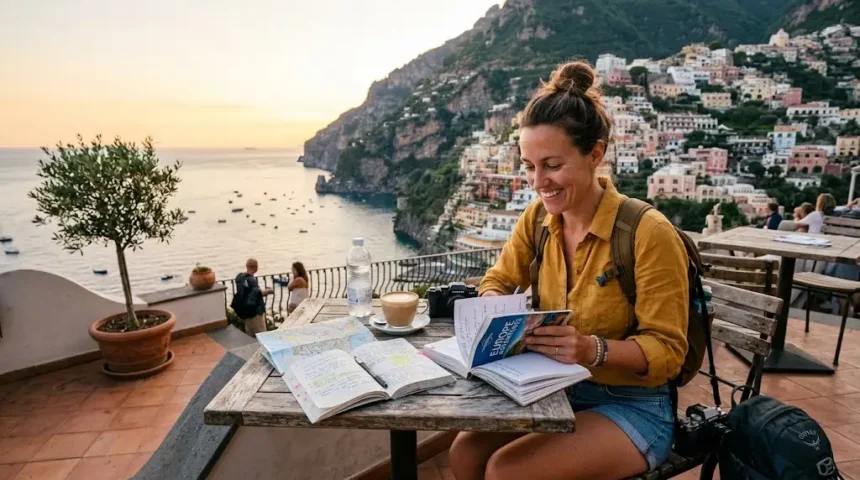
How to Plan a Solo Trip You’ll Actually Enjoy
Planning a solo trip sounds exciting until you realize every decision is yours. You choose the destination, budget, accommodation, transportation, daily activities, meal stops, and backup plans without another traveler sharing the work. That freedom is one of the greatest advantages of solo travel, but it can also make the planning stage feel overwhelming. A successful solo trip is not about creating the most detailed itinerary possible. It is about designing a journey that fits your personality, comfort level, interests, energy, and finances. When those elements are aligned, traveling alone can feel liberating rather than lonely or stressful.
The best solo travel plans begin with an honest question: what kind of experience do you actually want? Some people imagine themselves moving constantly between museums, landmarks, cafés, and nightlife, while others would rather spend three days near a quiet beach with a book. Neither approach is better. Problems arise when travelers build itineraries around what they think they are supposed to do rather than what genuinely excites them. Social media can intensify this pressure by making every destination look like a checklist of must-see attractions. Your solo trip becomes more enjoyable when the itinerary reflects your preferences instead of somebody else’s highlight reel.
Safety matters when traveling alone, but fear should not dominate the entire trip. Thoughtful preparation can reduce many common risks without turning travel into a constant security exercise. Choosing a convenient neighborhood, understanding transportation, protecting important documents, staying aware of surroundings, and sharing basic plans with someone you trust can provide useful peace of mind. Solo travelers also need to manage practical details such as arrival times, mobile connectivity, money access, and emergency contacts more deliberately. These preparations are not meant to remove spontaneity. Instead, they create a reliable foundation that makes spontaneous decisions easier once you arrive.
Budgeting is another important part of planning because solo travelers cannot split hotel rooms, taxis, rental cars, or certain other expenses with a companion. On the other hand, you have complete control over where your money goes. You can spend more on a comfortable central hotel and save on food, or stay in a hostel and invest in memorable tours and experiences. A useful budget should include transportation, accommodation, meals, attractions, local transit, insurance, mobile data, and an emergency cushion. Building flexibility into the budget prevents one unexpected expense from making the rest of the trip feel financially uncomfortable.
This guide explains how to plan a solo trip you’ll actually enjoy, including destination selection, budgeting, accommodation, transportation, safety, itinerary design, meeting people, eating alone, packing, and handling loneliness or travel fatigue. The goal is not to create a rigid formula that every solo traveler must follow. Instead, it provides a practical framework you can adapt to your personality and experience level. First-time solo travelers may need more structure, while experienced travelers may prefer wider gaps in the schedule. Either way, the strongest plan gives you enough preparation to feel secure and enough freedom to enjoy being on your own.
Choose the Right Destination for Your Solo Travel Style
The destination is one of the biggest factors determining whether you enjoy your solo trip. Instead of beginning with a list of famous cities, think about the type of environment where you feel comfortable spending time independently. A highly social traveler may enjoy a lively city with hostels, food tours, nightlife, and frequent group activities. Someone who values quiet may prefer a walkable historic town, coastal destination, or nature-focused escape. Consider climate, language, local transportation, travel distance, and overall pace. A beautiful destination can still be the wrong choice if its practical realities conflict with what you want from the experience.
First-time solo travelers often benefit from destinations that are easy to navigate. Walkable city centers, reliable public transportation, straightforward airport connections, and plenty of accommodation options can reduce stress significantly. You do not need to choose the easiest destination in the world, but removing unnecessary logistical difficulty allows you to focus on enjoying the trip. A place requiring several remote bus transfers, complicated visa procedures, or extensive driving may be better once you have more solo travel confidence. Ease of movement matters especially when you are tired after arrival and have nobody else to help interpret confusing directions.
Your interests should have a stronger influence than popularity. If you love museums, architecture, and cafés, a culture-rich city may be ideal. If your happiest travel memories involve hiking and outdoor scenery, spending a week moving between urban attractions simply because the destination is famous may leave you disappointed. Food lovers may prioritize places with strong markets, cooking classes, and affordable restaurant culture. Beach travelers should think about whether they enjoy several days alone near the water or would eventually become restless. Planning around your interests naturally fills your days with experiences you actually want.
Season also changes the character of a destination. A city that feels energetic and social in summer may become quiet and rainy during winter. A tropical destination may be affordable during the wet season but experience frequent storms. Peak seasons can provide better weather and more tours while also bringing crowds and higher prices. Shoulder seasons often offer a useful balance between conditions and cost. Look beyond monthly temperature averages and consider daylight, precipitation, local holidays, seasonal closures, and major events. Traveling alone is easier when the destination’s seasonal rhythm matches your expectations.
Finally, trust your level of comfort without treating it as permanent. You do not need to prove anything by choosing a challenging destination for your first solo trip. A familiar city in your own country can be a meaningful introduction to traveling independently. Once you learn how you respond to eating alone, navigating unfamiliar areas, and managing your own schedule, you can choose increasingly ambitious journeys. Solo travel confidence grows through experience rather than bravado. The right destination is the one that stretches you enough to feel exciting without making every day unnecessarily exhausting.
Set a Solo Travel Budget You Can Actually Maintain
A realistic solo travel budget begins with the total amount you can comfortably spend rather than the destination you wish you could afford. Include transportation to and from the destination, accommodation, meals, local transport, activities, insurance, connectivity, and miscellaneous spending. Then add a separate emergency cushion that you do not plan to use. Solo travelers can face higher per-person costs because there is nobody to split hotel rooms or taxi fares with. Knowing this early helps you choose a destination and travel style that remain comfortable instead of constantly calculating every purchase.
Accommodation will often be one of the largest expenses. A private hotel room offers comfort and privacy but can make solo travel considerably more expensive. Hostels can reduce costs and provide social opportunities, although dormitory living is not suitable for everyone. Guesthouses, apartment-style accommodation, small hotels, and private hostel rooms can provide useful middle ground. Location also affects the budget because a cheaper room far outside the center may require additional transportation every day. Paying slightly more for a safe, walkable neighborhood can sometimes reduce both travel time and total local transit costs.
Food is another category where planning style matters. Eating three restaurant meals every day can become expensive, especially in major tourist destinations. You can control costs by combining local restaurants with bakeries, markets, supermarket breakfasts, street food, and simple takeaway meals. This does not mean turning the trip into a constant exercise in saving money. Instead, identify the dining experiences that matter to you and spend intentionally. If a special restaurant is part of the reason you are visiting, include it in the budget rather than feeling guilty later.
Transportation expenses should include more than the flight or train ticket. Airport transfers, metro passes, buses, taxis, rideshares, rental cars, fuel, parking, and intercity connections can add up quickly. Research how you are likely to move around before booking accommodation. A centrally located hotel that costs more may eliminate repeated taxi fares. If you plan day trips, include their transportation costs from the beginning. Solo travelers should also avoid depending on the assumption that they will find another traveler to split transport. Build the budget as though every personal expense will be yours.
A useful travel budget includes discretionary money for unexpected opportunities. You may discover a concert, cooking class, day tour, or neighborhood restaurant you had not considered before arrival. If every dollar is already allocated, these spontaneous experiences can create financial stress. Budget flexibility is therefore part of enjoying the trip rather than poor planning. At the same time, maintain a clear maximum spending limit so spontaneity does not become careless spending. The ideal solo travel budget gives you freedom within boundaries, allowing you to make decisions confidently without returning home to unpleasant financial surprises.
Pick Accommodation That Makes Solo Travel Easier
Where you stay influences the tone of a solo trip more strongly than many travelers expect. Solo-friendly accommodation should provide a combination of safety, convenience, comfort, and access to the experiences you care about. A room that looks beautiful online may become frustrating if it requires a long walk through poorly connected areas every evening. Study the neighborhood as carefully as the accommodation itself. Consider distance to public transportation, restaurants, convenience stores, major attractions, and the route you will take after dark. A convenient base can make every day feel easier.
Hotels are often attractive for first-time solo travelers because reception staff, luggage storage, housekeeping, and predictable services create a sense of structure. A 24-hour front desk can also be reassuring if you arrive late or encounter a problem. The disadvantage is that hotels may provide fewer natural opportunities to meet other travelers. Some boutique hotels and guesthouses offer communal lounges or breakfast spaces that feel more social. You do not need to sacrifice comfort simply because you are traveling alone. Paying for an environment where you sleep well can improve every other part of the trip.
Hostels are popular among solo travelers because they naturally create opportunities for conversation. Common rooms, shared kitchens, walking tours, pub outings, and group events can make meeting people significantly easier. However, hostel quality varies, and dorms can be noisy or uncomfortable for travelers who need privacy. Private rooms inside hostels can combine personal space with access to social areas. Before booking, consider the atmosphere described in recent guest feedback. A party-focused hostel may be perfect for one person and exhausting for another. Choose according to the social experience you actually want.
Apartment rentals can provide additional space, kitchens, washing machines, and a more residential experience. These features can be valuable on longer solo trips when eating every meal out becomes tiring. However, apartments may offer less staff support than hotels, particularly during late arrivals or unexpected problems. Entry instructions should be clear, and the location should feel practical rather than merely affordable. Think carefully about whether you actually need a full apartment for a short city break. Extra space provides little value if you spend nearly all day outside exploring.
Regardless of accommodation type, pay attention to practical details before booking. Check whether there is secure entry, luggage storage, reliable Wi-Fi, air conditioning or heating when seasonally important, and easy transportation from your arrival point. If you land late at night, determine exactly how you will reach the property before paying for it. Avoid creating your first difficult decision while tired and carrying luggage. A good solo travel base does not need to be luxurious. It simply needs to make you feel comfortable returning at the end of every day.
Build an Itinerary Without Overplanning Every Hour
One of the biggest mistakes in solo trip planning is creating an itinerary so full that independence becomes another form of obligation. When traveling with other people, compromises naturally leave gaps because different preferences must be negotiated. Alone, you can accidentally schedule everything you have ever wanted to see because nobody is there to object. The result may look impressive on paper but feel exhausting in reality. Start by identifying one or two high-priority experiences for each day. Everything else can be considered optional. This structure creates direction without making the trip feel like a race.
Group nearby attractions together so you spend less time moving back and forth across the destination. If several museums, landmarks, restaurants, or neighborhoods sit within walking distance of one another, treat them as one geographic cluster. This reduces transit costs and creates more natural exploration between planned stops. It also allows you to abandon one attraction without disrupting the entire day. Solo travel is particularly enjoyable when you can notice an interesting street and follow it without worrying about another person’s schedule. Geographic planning supports that flexibility.
Leave intentional free time in the itinerary. A completely blank afternoon can initially feel like poor planning, but it often becomes one of the most enjoyable parts of a solo journey. You might return to a neighborhood you loved, spend two hours in a café, join a last-minute tour, visit a market, or simply rest. Free time also provides a buffer when weather changes or an attraction takes longer than expected. Without these gaps, every delay can create stress. Good itineraries provide choices rather than instructions that must be followed exactly.
Consider your natural energy patterns. If you dislike early mornings at home, building a trip around daily 6 a.m. departures may not suddenly make you happy. Night owls might prefer late breakfasts and evening activities, while early risers can take advantage of quiet streets and popular sights before crowds arrive. Solo travel gives you permission to design the day around your own rhythm. You do not need to accommodate another traveler’s sleeping or eating schedule. This personal control is one of the greatest benefits of going alone.
Also plan rest before you think you need it. Travel involves more walking, navigation, decision-making, unfamiliar food, and sensory stimulation than an ordinary day at home. Even exciting experiences can become tiring when they happen continuously. Schedule slower evenings, café breaks, or occasional mornings without alarms. If the trip lasts more than a week, consider a low-activity day. Rest is not wasted travel time. Protecting your energy allows you to enjoy the experiences you paid to have rather than simply completing them.
Plan Transportation Before You Arrive
Understanding local transportation before arrival can remove one of the most stressful parts of traveling alone. Start with the journey from the airport, train station, or bus terminal to your accommodation. Determine which transport options operate at your arrival time and approximately how long the journey should take. If public transportation requires a ticket, learn whether you buy it through an app, machine, driver, or station. Save the accommodation address somewhere accessible offline. After a long journey, having a clear first route is far easier than improvising while tired.
Research the city’s everyday transportation system next. Some destinations are primarily walkable, while others require frequent use of metros, buses, trams, ferries, or rideshares. Look at whether day passes or multi-day tickets make sense for your itinerary. Understanding basic transport hours can also prevent late-night problems. If services become infrequent after midnight, know what alternatives are available before going out. Solo travelers have nobody else automatically tracking the route home, so a small amount of advance planning makes evenings much more relaxed.
Offline navigation can be extremely useful. Mobile data usually works well, but batteries die, networks fail, and roaming problems happen. Downloading offline maps allows you to locate your hotel or major transport stations without depending on an active connection. Save several important places in advance, including your accommodation, airport, main train station, and any early-morning departure point. Carrying a portable battery pack is also helpful because navigation can drain a phone quickly. Your smartphone is one of your most important solo travel tools, so keeping it powered matters.
If renting a car, think carefully about whether the freedom is worth the additional responsibility. Solo driving means you handle navigation, tolls, parking, fuel, luggage, and fatigue without someone else assisting. In rural destinations, a rental car may be the best way to explore. In dense cities, it can become an unnecessary burden. Check parking availability at the accommodation and understand local driving rules before booking. Also consider whether public tours provide access to remote attractions without requiring you to drive. Convenience depends heavily on the destination.
Day trips should be planned with return logistics in mind. A beautiful small town may be easy to reach in the morning but have limited evening transportation back to your base. Check the last reasonable train or bus rather than only the departure timetable. If you join an organized tour, understand where it finishes and how you will return to your accommodation. Build extra time around important connections. Solo travelers can be flexible, but missing the final transport option can quickly turn an enjoyable day into an expensive problem.
Make Solo Travel Safety Practical, Not Fearful
Solo travel safety works best when it becomes a set of ordinary habits rather than a constant state of anxiety. Start by learning the basic layout of your destination and the neighborhoods you are likely to visit. Know where your accommodation is in relation to major transport routes and busy areas. You do not need to memorize an entire city before arrival, but some geographic awareness helps prevent accidentally wandering far from where you intended. Save emergency numbers and important addresses in your phone. Preparation creates confidence because you know what to do if something unexpected happens.
Share your basic itinerary with someone you trust, especially accommodation details and major transportation plans. You do not need to provide minute-by-minute updates unless that makes you more comfortable. A simple message when arriving in a new city can be enough to keep someone informed. Keep copies of important travel documents stored separately from the originals, and consider secure digital copies as well. Do not carry every payment method and all your cash in one location. If your wallet disappears, having a backup card stored separately can prevent a stressful situation from becoming a crisis.
Situational awareness matters more than appearing frightened. Pay attention to the environment when using your phone for directions rather than standing in the middle of a busy street looking completely distracted. In crowded transit areas, keep bags closed and valuables controlled. Avoid sharing unnecessary details about where you are staying with strangers you have just met. If someone makes you uncomfortable, you do not owe them politeness or a detailed explanation for leaving. Moving toward a populated area, hotel lobby, shop, or transportation hub can create additional safety when something feels wrong.
Alcohol deserves additional consideration because there is no trusted companion automatically looking out for you. You do not have to avoid nightlife, bars, or social events, but know your limits and remain capable of making safe transportation decisions. Keep your drink in sight and have a clear plan for returning to your accommodation. Do not rely completely on people you met earlier that evening. Solo travel can create fast friendships, but familiarity is not the same as established trust. Responsible enjoyment gives you more freedom, not less.
Most importantly, avoid letting alarming travel stories convince you that every unfamiliar person or neighborhood is dangerous. Millions of people travel alone safely by combining common sense with ordinary preparation. Over-focusing on potential problems can prevent you from engaging with the destination and meeting people. The goal is awareness rather than suspicion. Know your boundaries, listen to discomfort, and make practical decisions when circumstances change. Solo travel becomes much more enjoyable when safety habits operate quietly in the background instead of dominating every experience.
Learn How to Enjoy Eating Alone
For many first-time solo travelers, eating alone while traveling feels more intimidating than navigating airports or hotels. Restaurants are social spaces, and sitting at a table by yourself can initially make you feel unusually visible. In reality, most other diners are paying very little attention to you. Solo dining becomes easier once you stop treating it as something that needs justification. You are simply eating because you are hungry and want to experience the local food. After a few meals, the discomfort usually decreases significantly.
Start with settings that feel naturally comfortable for solo diners. Cafés, counter-service restaurants, food halls, markets, bakeries, ramen shops, casual bistros, and restaurants with bar seating can feel less formal than a large table in an elegant dining room. Lunch can also be easier than dinner for your first solo restaurant experience. Once you become comfortable, there is no reason to avoid higher-end dining if that interests you. A reservation for one is completely normal in many destinations. Do not miss a food experience simply because you are traveling without company.
Bring something small to do if sitting alone initially makes you uncomfortable. A book, notebook, travel journal, or downloaded article can make waiting for food feel natural. However, you may eventually enjoy putting the phone away and observing the room. Solo meals provide an unusual opportunity to notice details that conversation normally hides. You may interact more with servers, watch local routines, or think about the day without interruption. What initially feels like a disadvantage can become one of the quieter pleasures of independent travel.
Food tours and cooking classes can add social variety if several days of solo meals begin to feel repetitive. These activities create built-in conversation because everyone is participating in the same experience. You can learn about local cuisine while meeting travelers without needing to approach strangers randomly. Communal tables can provide similar opportunities. The goal is not to avoid being alone but to give yourself different types of social experiences. A solo trip can contain independent breakfasts, group lunches, and relaxed dinners without any one format defining the entire journey.
Be careful not to skip proper meals because eating alone feels awkward. Long sightseeing days require energy, and relying only on snacks can leave you tired or irritable. Make food part of the itinerary when it genuinely matters to you. Save restaurants that look interesting and choose one when you are nearby rather than waiting until you are exhausted and extremely hungry. Solo travel gives you complete control over when and what you eat. Once you become comfortable using that freedom, dining alone often becomes much easier than expected.
Meet People Without Forcing Yourself to Be Social
Traveling alone does not mean you must spend every hour alone. Many destinations make it easy to meet people through walking tours, food tours, hostels, classes, excursions, volunteer activities, and local events. Structured activities are particularly useful because conversation begins naturally around a shared experience. You do not need a clever opening line or the confidence to approach random strangers. Simply asking another participant where they are from can begin a conversation. Some interactions last only for the tour, while others may lead to dinner or another activity later.
Hostel common areas can be especially social, but you do not need to stay in a dormitory to use this travel style. Some hostels offer private rooms and organize activities open to guests. Guesthouses, coworking spaces, language exchanges, and small group tours can create similar opportunities. If meeting other travelers matters to you, choose accommodation and activities that support it deliberately. A private apartment with self-check-in may provide excellent independence but few natural interactions. Social experiences are easier to find when the environment is designed to encourage them.
At the same time, do not turn meeting people into another travel objective you have to accomplish. Some days you may have great conversations, while others may be almost entirely solitary. Both can be enjoyable. Trying desperately to create friendships can make you feel more lonely when conversations do not develop. Solo travel works best when social contact is an option rather than a requirement. You already have the freedom to continue with your own plans if nobody else is available.
Temporary travel friendships can be meaningful even when they last only a few hours. You may meet someone during a museum tour, spend the afternoon exploring together, and never see each other again after leaving the destination. That does not make the interaction less valuable. Travel brings together people whose routes briefly overlap, and accepting that temporary nature reduces pressure. Exchange contact details when you genuinely connect, but do not assume every friendly conversation must become a long-term friendship. Enjoy the moment for what it is.
Finally, pay attention to your social energy. Introverted travelers may enjoy one group activity followed by an entire day alone, while extroverted travelers may want regular interaction. Neither approach is more authentic. The advantage of solo travel is that you can change your level of social engagement from day to day. If you feel lonely, book a tour or visit a social café. If you feel overstimulated, cancel optional plans and spend the afternoon alone. Your trip becomes more enjoyable when you stop judging yourself for needing either company or solitude.
Pack Light Enough to Manage Everything Yourself
Packing for a solo trip requires one important mindset: you must be able to handle your luggage comfortably without assistance. That means carrying it up stairs, lifting it onto trains, moving through airports, and walking from transportation stops to accommodation. A suitcase that feels manageable in your bedroom can become exhausting after several transfers. Pack according to the trip rather than every hypothetical situation. Clothing that can be mixed, layered, and worn more than once reduces unnecessary volume. Being able to move independently makes the entire journey easier.
Start with versatile clothing suited to the destination’s weather and cultural expectations. Neutral pieces that combine easily can create several outfits without requiring a large wardrobe. Comfortable walking shoes deserve priority because travel days often involve far more steps than expected. If you need a second pair, make sure each serves a genuine purpose. Heavy footwear consumes luggage space quickly. Check the weather shortly before departure instead of packing for every climate the destination has ever experienced. Practical preparation is more useful than excessive backup options.
Keep essential items in your personal bag during transportation. Passport, money, phone, medication, charger, insurance details, accommodation address, and any irreplaceable documents should remain accessible. If checked luggage is delayed, you should still be able to manage the first day. A small change of clothing can also be helpful on longer journeys. Avoid placing all payment methods in the same wallet. Solo travelers benefit from simple redundancy because there is no companion who can immediately cover expenses if something disappears.
A portable charger is particularly valuable for solo travel because your phone handles navigation, tickets, accommodation details, translation, transportation apps, photography, and communication. Bring the appropriate power adapter for the destination if electrical outlets differ from home. Charging cables should be in good condition, and one spare cable can be useful without adding much weight. Download important travel information before leaving Wi-Fi. Technology makes solo travel dramatically easier, but relying on one device means keeping that device functional deserves attention.
Do not fill your luggage completely before departure. Leaving space makes packing easier throughout the trip and gives you room for small purchases. An overloaded suitcase also makes every transportation change more annoying. If the trip is long, doing laundry once can reduce clothing volume dramatically. Packing light is not about proving how little you can survive with. It is about reducing the physical and mental burden of managing possessions while you are trying to explore. Every item you leave at home is one less item you need to carry, organize, or worry about.
Handle Loneliness, Anxiety and Solo Travel Fatigue
Even people who love independence can experience solo travel loneliness. It may appear unexpectedly after several exciting days, during a quiet dinner, or when something goes wrong and there is nobody familiar nearby. Feeling lonely does not mean the trip was a mistake. Travel removes you from ordinary routines and social connections, so occasional emotional discomfort is normal. Instead of immediately filling every empty moment with activities, notice what you actually need. Sometimes the solution is conversation, while other times it is sleep, food, or a quiet evening.
Maintaining light contact with people at home can help. A short phone call, voice message, or exchange of photos can provide familiarity without pulling you completely out of the travel experience. Avoid spending every free moment following life back home through social media because that can intensify feelings of disconnection. Use communication intentionally rather than automatically. Sharing one highlight from the day may provide the connection you need. Then return your attention to where you currently are.
Travel fatigue often feels like boredom or disappointment. After several days of constant sightseeing, another beautiful church or museum may stop feeling exciting because your brain is simply overloaded. Taking a slower day can restore interest more effectively than adding another attraction. Sleep late, do laundry, read in a park, visit a café, or watch something familiar at the hotel. You paid for the trip, which means you are allowed to use part of it resting. Enjoyment is a better measure of travel value than the number of sights completed.
Anxiety can also increase when every decision depends on you. Choosing restaurants, navigation routes, train tickets, and activities repeatedly creates decision fatigue. Reduce unnecessary decisions by establishing simple routines. You might eat breakfast at the same café twice, use one reliable transportation app, or return to a neighborhood restaurant you liked. Solo travel does not require constant novelty. Familiarity can provide a comforting anchor within an unfamiliar destination, especially on longer trips.
If you are having a genuinely difficult day, change the plan rather than forcing yourself through it. Return to the hotel, book a group activity, move to a busier neighborhood, call someone you trust, or choose something simple and familiar. One difficult afternoon does not define the whole trip. Solo travel teaches flexibility partly because nobody else is insisting that the itinerary remain unchanged. Use that advantage. Adjusting to your emotional and physical needs is not failing at travel; it is one of the most valuable forms of independence.
Give Yourself Permission to Change the Plan
A solo itinerary should be treated as a framework rather than a contract. You may arrive and discover that an attraction you expected to love feels disappointing, while a neighborhood you barely researched becomes your favorite place. Because you are traveling alone, changing direction does not require a group discussion. Take advantage of that flexibility. Leave a museum early if you are bored, stay longer at a market if you are enjoying it, or replace a planned tour with an afternoon walk. The trip should serve you, not the itinerary.
Weather is one of the most obvious reasons to adapt. A rainy day may ruin a planned hiking excursion but create an excellent opportunity to explore museums or cafés. A clear morning might encourage you to visit a viewpoint earlier than expected. Check short-term forecasts and reorder activities when necessary. Building indoor and outdoor alternatives into your initial research makes these adjustments easy. Flexibility works best when you have options rather than no plan at all.
Your energy level is another valid reason to change direction. Travel plans are usually created while sitting comfortably at home, not after walking fifteen kilometers through an unfamiliar city. If you become tired, remove something from the schedule rather than pushing through purely because it was planned. The attraction will still exist without you. You may remember one relaxed afternoon more fondly than three sights experienced while exhausted. Solo travel gives you the unusual luxury of matching the pace entirely to your own body.
Unexpected opportunities should also have room to enter the trip. Someone from a walking tour may invite you to dinner, a café owner might mention a neighborhood festival, or you may discover tickets for a performance that evening. If your itinerary is packed from morning until night, saying yes requires sacrificing something you already scheduled. Leaving flexibility turns those discoveries into possibilities rather than inconveniences. Some of the strongest travel memories come from experiences that were never part of the original research.
Changing plans becomes easier when you stop evaluating every decision according to whether it represents perfect travel. There is no universally correct way to spend a day in a destination. If sitting beside a river for two hours makes you happier than visiting another famous monument, that can be the better choice. Solo travel offers unusually direct feedback about your preferences because nobody else’s expectations are involved. Learning to trust those preferences is part of what makes traveling alone rewarding.
Conclusion
Learning how to plan a solo trip you’ll actually enjoy begins with designing the journey around yourself rather than around a generic travel checklist. Choose a destination that matches your interests, comfort level, budget, preferred climate, and desired social atmosphere. A famous destination is not automatically the right destination for you. The freedom of solo travel becomes enjoyable when you use it deliberately. Knowing why you want to travel alone gives every later planning decision a clearer direction.
Build a realistic budget that accounts for the financial realities of traveling without someone to split expenses. Choose accommodation based on location, safety, comfort, and the social experience you want. Plan transportation before arrival so the first few hours feel manageable rather than confusing. Keep backup money, important documents, and essential information accessible. These practical preparations do not make a trip less spontaneous. They remove the avoidable problems that can prevent spontaneity from feeling enjoyable.
Your itinerary should include priorities without controlling every hour. Group nearby attractions, leave free time, respect your energy patterns, and plan rest deliberately. Solo travel is one of the rare situations where you can change plans without negotiating with anyone. Use that privilege. Eat when you want, stay longer where you are happy, leave early when you are bored, and spend an afternoon doing almost nothing if that is what you need. Those choices are part of the experience rather than deviations from it.
Social connection can be added whenever you want it. Walking tours, classes, hostels, cafés, excursions, and local events create opportunities to meet people without requiring you to find a permanent travel companion. At the same time, learning to enjoy meals, walks, museums, and quiet evenings alone is part of developing confidence. Some days may be highly social while others are almost completely independent. The best balance changes throughout the trip. Give yourself permission to respond to how you actually feel rather than how a solo traveler is supposedly meant to behave.
Ultimately, a great solo travel experience is not defined by how fearless, adventurous, productive, or independent you appear. It is defined by whether the trip gives you experiences you genuinely value. Plan enough to feel prepared, but leave enough room for discovery. Protect your safety without allowing fear to dominate the journey. Spend intentionally, pack lightly, rest when necessary, and change direction when something is not working. When you build the trip around those principles, traveling alone becomes less about proving you can do it and more about discovering how enjoyable your own company can be.
Frequently Asked Questions About Planning a Solo Trip
How do I plan my first solo trip?
Start with an easy-to-navigate destination that matches your interests and comfort level, then organize accommodation, arrival transportation, a realistic budget, and a few priority activities. Leave free time in the itinerary so the trip feels flexible instead of overly scheduled.
How many days should a first solo trip be?
A three- to five-day trip can be a comfortable introduction because it provides enough time to experience independence without making the journey feel overwhelming. You can extend future solo trips once you understand your preferred pace and how you respond to traveling alone.
Is solo travel safe?
Solo travel can be safe when you research your destination, choose appropriate accommodation, remain aware of your surroundings, protect documents and money, and maintain sensible communication with someone you trust. Safety conditions vary by destination, so practical preparation should be tailored to where you are going.
How can I meet people while traveling alone?
Walking tours, food tours, hostels, cooking classes, day trips, local events, and communal activities provide natural opportunities to meet other travelers and residents. Structured activities make conversation easier because participants already share a common experience.
How do I avoid feeling lonely on a solo trip?
Balance independent sightseeing with occasional social activities, stay lightly connected with people at home, and recognize when you need rest rather than more stimulation. Loneliness can happen during solo travel, but adjusting your plans, joining a group activity, or simply changing your environment can often help.
